Romanian film critic Laurenţiu Brătan explores how BIFESS 17 foregrounds little-known communities of India through films made in regional languages and dialects. Focusing on two titles from the Indian Competition Section, the article examines how cinema becomes a means of cultural visibility, moral inquiry, and poetic world-building.
A Trip Across India Through Cinema
Bollywood cinema has long dominated Indian film production, operating mainly in a handful of major languages. In recent years, however, smaller communities have begun to carve out their own space on screen, with films spoken in local languages and dialects.
BIFESS offers a rare opportunity to discover such communities, which remain largely inaccessible to most audiences. Films made in little-known languages from across India are presented in the official competition, parallel sections, and a dedicated program titled Unsung Incredible India / Films in Little-Known Indian Languages. These works explore a wide range of subjects, from everyday struggles for survival and the fight to protect natural environments from land exploitation, to more poetic narratives centred on traditions and rituals.
Two such films particularly drew my attention at the festival, both screened in the Indian Competition Section.
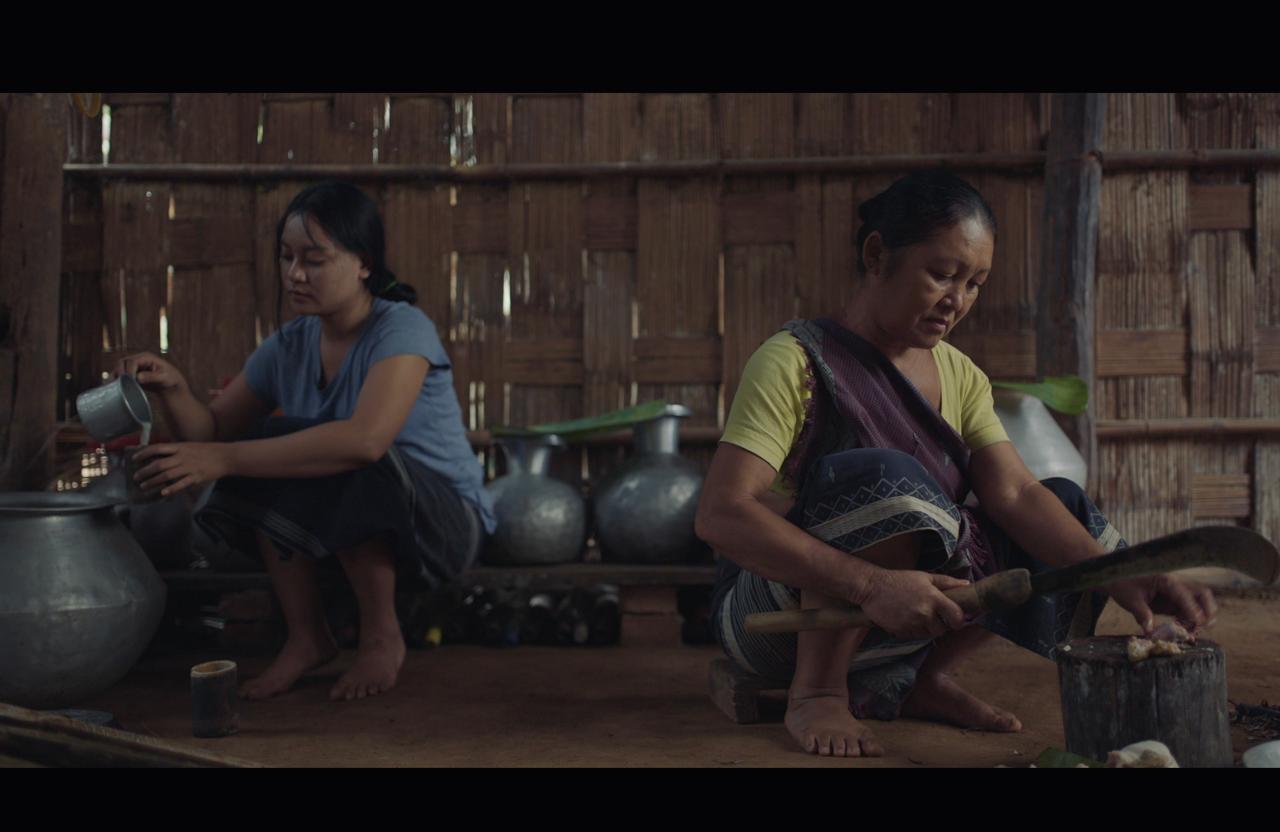
Kangbo Aloti / The Lost Path (India, 2025, Kanjan Kishore Nath) is shot in the Karbi language and set in a remote, conflict-ridden area of Assam. Separatist groups have long plagued several northeastern Indian states, and some remain active today. The film tells the story of a friendship between a member of a militant group and a respected village schoolteacher.
With its restrained plot and straightforward storytelling, it may appear predictable to some, yet the director deliberately opts for one of the most plausible conclusions. Beyond the storyline, the film’s true strength lies in its exploration of conscience: the inner conflict faced by the young militant Longsing (Harmony Bey) when he is ordered to kill his close friend, the teacher (Rajib Kro), deeply respected by the whole community. The film offers a powerful reflection on the moral choices imposed in moments of crisis, and on whether ideological convictions can override deep human bonds. Free of melodrama, it presents a stark and realistic portrayal of everyday life in an unstable region.
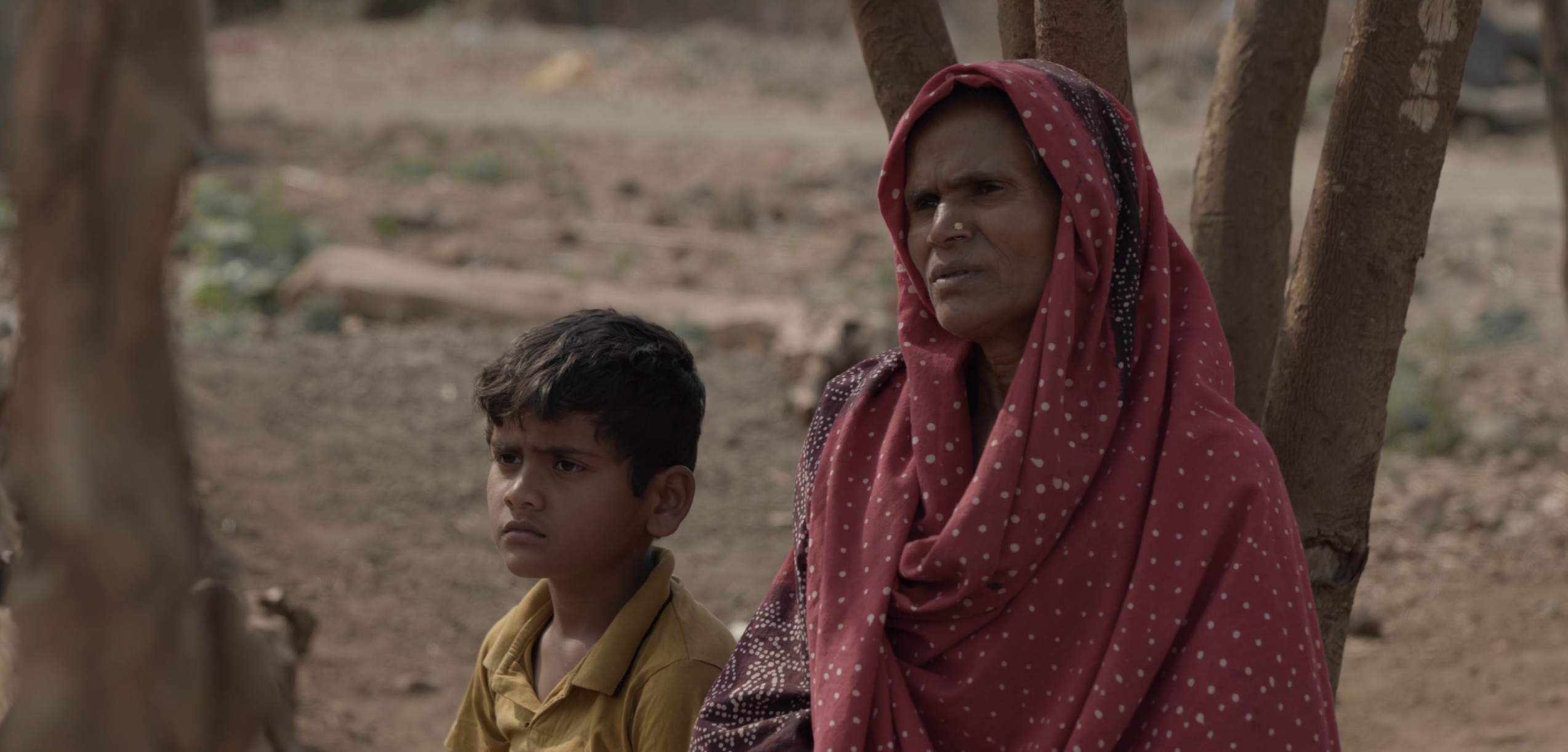
Jeev / The Creature (India, 2025, Ravindra Manik Jadav) marks the feature-film debut of Ravindra Manik Jadav. Shot in a Marathi dialect, the film is set within a small community in the Konkan region of eastern India. Jadav’s approach places strong emphasis on tribal rituals, which gives the film its distinctive character.
Rich in colour, music, and folklore, Jeev creates a dreamlike atmosphere that plays a central role in the narrative, at times recalling Shadows of Forgotten Ancestors (1965) by Sergei Parajanov, which famously brought the Hutsul community of southern Ukraine and northern Romania to the screen. Blending documentary and fiction, Jeev features both professional and non-professional actors. While it may not be a masterpiece, the film stands as a promising debut, demonstrating Jadav’s clear talent for crafting immersive, dream-like cinematic worlds.