
Farewell to José Luis Cienfuegos, the Director Who Breathed New Life into Film Festivals
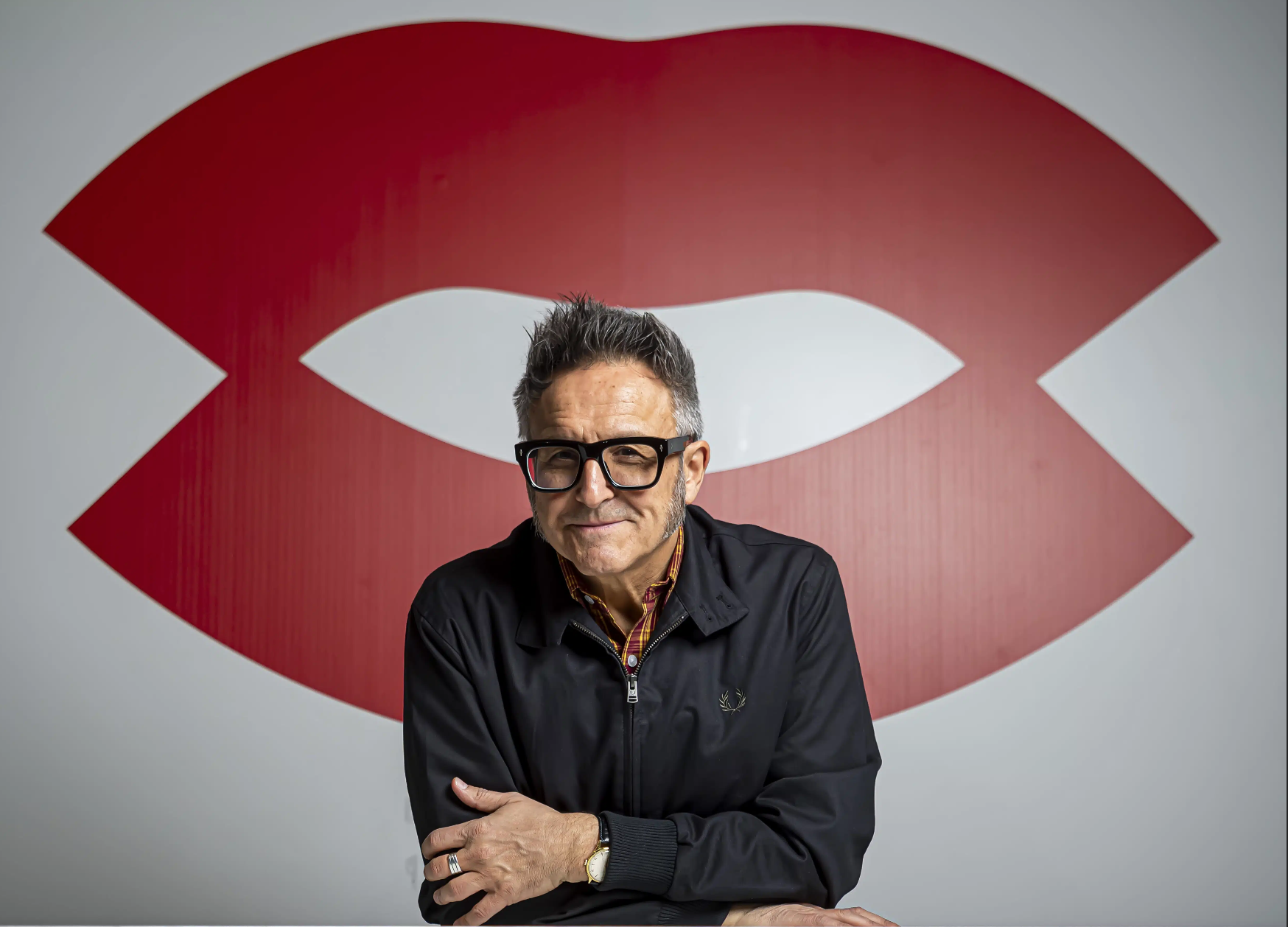
When I first attended the Gijón International Film Festival as a critic in 1999, the event had been under the direction of José Luis Cienfuegos since 1995. In that short period, this psychology graduate from Asturias had managed to transform a festival originally aimed at children and young audiences into the main cinephile hub for Spanish film lovers. Gijón Film Festival didn’t have the historical prestige of Valladolid, neither the A-list glamour of San Sebastián, nor the popular appeal of Sitges. Perhaps because of that, it became the quintessential modern festival, the one that best captured the mutations of contemporary cinema at the turn of the century. Under Cienfuegos’ leadership, Gijón dedicated retrospectives and publications to filmmakers then little-known or sidelined by major festivals, such as Aki Kaurismäki, Bruno Dumont, Larry Clark, Tsai Ming-liang, Peter Watkins, Todd Solondz, Claire Denis, Aleksei Balabanov, Apichatpong Weerasethakul, Olivier Assayas, Ulrich Seidl, and Fatih Akin, among others. It also organized cycles focused on the New Waves of the 1960s. After all, no other generalist festival picked up the baton left by those movements—the celebration of a young cinema, both in aesthetics and attitude.
Not only that. Cienfuegos gave space to an entire new generation of cinephiles. His successive right-hand programmers at the festivals he directed were young: Fran Gayo (who sadly passed away a few months ago, cruel fate), Alejandro Díaz, and Javier Estrada. And we, the regular audience and critics of Gijón, were more or less young too. Even the publications promoted by the festival featured contributions from critics who were just starting out in the profession. Far from the red carpets, José Luis Cienfuegos redefined the festival model by refocusing attention on a selection that was always exciting to discover. He also gave significant weight to musical and nighttime activities, turning the festival into a cultural event beyond the screening rooms.
José Luis Cienfuegos was dismissed from his position in 2011 for political reasons. It was the end of an era—the end of that youthful cinephile movement whose capital was Gijón, even if its members came from Barcelona, San Sebastián, Madrid, Valencia, or Valladolid.
By then, Cienfuegos had already earned a reputation as a festival director. He had not only revived a local event and turned it into a national and international reference point; he had changed the way film festivals were understood in Spain and, consequently, their relationship with audiences and the industry. He was called upon to work his “magic” on another event: the Seville European Film Festival, which he directed from 2012 to 2022 with undeniable success, although the festival landscape was already very different. For me, Seville also marked a change in my professional relationship with José Luis. I gradually joined the festival’s programming team and remained in that role when Cienfuegos took over Seminci, the Valladolid International Film Week, starting in 2023. Despite having a trusted head programmer, Cienfuegos paid attention to all the viewing comments and suggestions we sent him. He reviewed every film that could potentially be selected. He enjoyed reading our long reports, just as he read a vast amount of film criticism.
I have never known another festival director who cared so much about criticism. He listened to us, read us, debated with us, and even scolded us. He was one of the few people outside the profession who showed genuine concern about the crisis in the sector and got involved in offering solutions. One of Cienfuegos’ traits was his extreme perfectionism and his need to control the quality of every single aspect of the festivals he ran. In this regard, he was always attentive to the link with FIPRESCI and the composition of its juries.
I could only bid farewell to José Luis Cienfuegos, who passed away on December 2 in Madrid, from a personal perspective. You didn’t need to have worked on his team to feel a close bond with him. That was another of his virtues, as a human being and as a director: he made everyone feel involved in what he led and valued for their work. This is reflected in the countless expressions of affection these days from a film industry utterly shocked by his unexpected passing. Professionals from all sectors—politicians and businesspeople, critics and journalists, programmers, filmmakers, institutional representatives, audiences of all kinds—have felt this loss as that of someone close who marked their lives. In the world of criticism, cinephilia, and festivals, the sense of orphanhood is widespread. We don’t know how we’re going to go on without you, José Luis.
Eulàlia Iglesias
FIPRESCI Documentary Grand Prix 2025: Nominees Announced
Tarr Fragments
FIPRESCI at the 38th European Film Awards in Berlin
FIPRESCI Introduces the Documentary Grand Prix, to be Presented Annually at MDAG
On Falling Wins the Prix FIPRESCI for European Discovery 2026
The Finalists of the CINAMAA Cinematic Studies Research Papers Call Have Been Announced
FIPRESCI 100th Anniversary Celebration in Rotterdam
BUFF Malmö Film Festival Establishes Its First FIPRESCI Jury
FIPRESCI Announces a New Collaboration with Malmö Arab Film Festival
Recap: FIPRESCI 100th Anniversary Celebrations
CPH:DOX 2026 to welcome FIPRESCI’s first official Critics’ Jury
Farewell to José Luis Cienfuegos, the Director Who Breathed New Life into Film Festivals
Ildikó Enyedi Laudation: Curiosity, Gentleness, and Love
Hungarian Director Ildikó Enyedi Accepts FIPRESCI 100 Lifetime Achievement Award in Cairo
Six Debut Features Nominated for the European Discovery – Prix FIPRESCI
at the 38th European Film AwardsFIPRESCI Celebrates Its Centennial at the Cairo International Film Festival
FIPRESCI Attends the Film Criticism Conference in Riyadh
FIPRESCI Launches First Critics' Jury at D’A Festival de Cinema de Barcelona
The First FIPRESCI Legacy Award Presented at the Lumière Festival
FIPRESCI convened General Assembly in Budapest
The New FIPRESCI Board Elected
Tsai Ming-liang Receives FIPRESCI 100 Lifetime Achievement Award in Venice
50th PFF: Jerzy Skolimowski receives FIPRESCI 100 Lifetime Achievement Award
I’m Still Here by Walter Salles is the Winner of the FIPRESCI Grand Prix for Best Film of the Year
FIPRESCI Celebrates its 100th Anniversary at the Venice Film Festival