
Memory, Childhood, and Emotional Distance: Four Distinct Visions
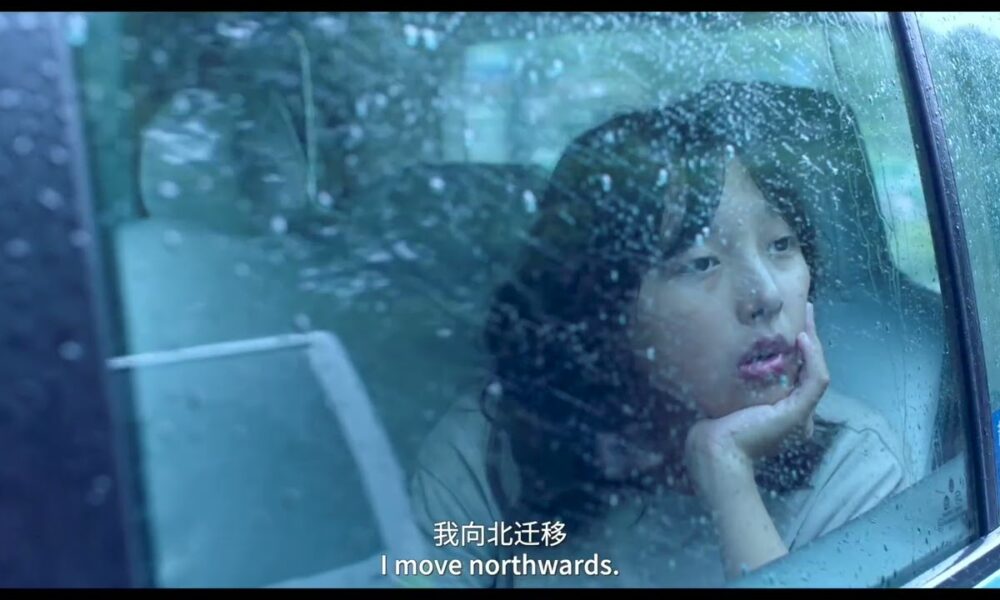
Greek critic Panos Kotzathanasis considers four Asian titles from the Firebird Competition and discovers a thematic continuum running through them.
At the Hong Kong International Film Festival 2026, the Firebird Competition once more proved to be a platform where emerging and established voices converge in ways that highlight both the diversity and the shared concerns of contemporary Asian cinema. Among the titles presented, four works stood out for their distinct approaches to storytelling, each engaging in different ways with memory, perception, and the limits of human connection.
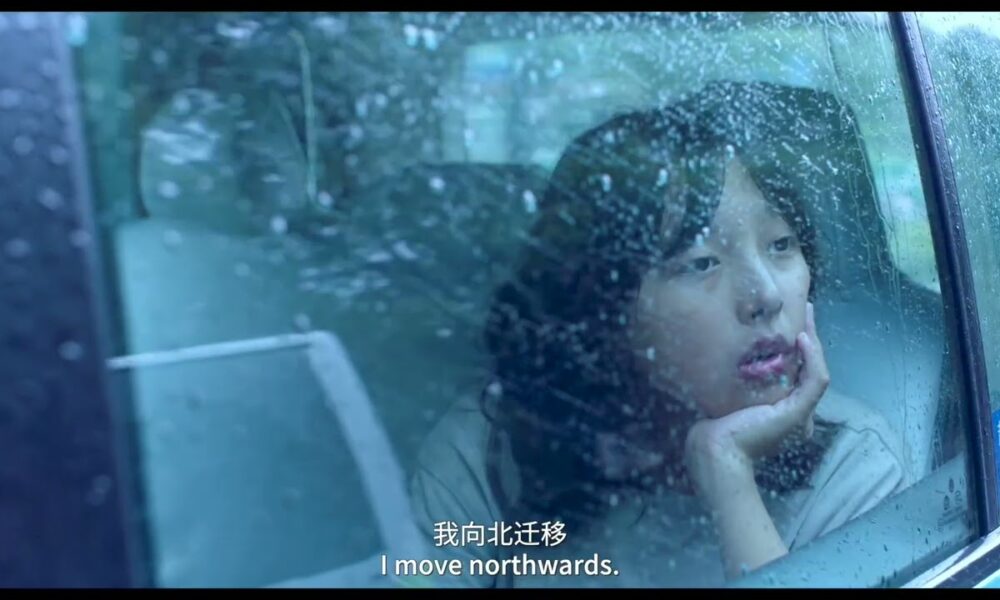
Linka Linka (一個夜晚與三個夏天, 2025) by Kangdrun, the debut feature of the Tibetan filmmaker, initially appears deliberately elusive. Following a young director returning to Lhasa to confront her past, the narrative unfolds through fragmented timelines and shifting perspectives that can feel disorienting. However, this apparent looseness gradually reveals a carefully constructed structure, culminating in a resolution that reframes everything that preceded it. Kangdrun’s handling of memory, particularly through a subtle Rashomon-like approach, underscores the instability of truth when filtered through trauma and personal experience. At the same time, the depiction of Lhasa as a contemporary urban environment, with its nightlife and modern rhythms, offers a rarely seen perspective that enriches the narrative. The visual treatment, especially the contrast between past and present and the emphasis on nocturnal imagery, reinforces the film’s thematic preoccupation with recollection and reinterpretation.
If Linka Linka deals with memory as a subjective reconstruction, Nighttime Sounds (2025), by Chinese director Zhang Zhongchen, expands this notion into the realm of the collective and the spectral. Set in a rural landscape marked by the absence of men who have migrated to cities, the film focuses on the emotional and social realities of those left behind, particularly women and children. Through an encounter between two young girls, Zhang constructs a narrative that blends social realism with elements of the supernatural, where ghosts function less as narrative devices and more as embodiments of absence and abandonment. The presence of ancient statues within the landscape serves as a constant reminder of the weight of history, while the sound design creates an unsettling link between motherhood, memory, and loss. Zhang’s observational approach allows themes such as patriarchy and generational tension to emerge organically, without resorting to overt didacticism, resulting in a work that resonates both emotionally and symbolically.
A different, though no less impactful, perspective on childhood and family emerges in Ah Girl (2026) by Singaporean director Ang Geck Geck Priscilla. Drawing from personal experience, the film situates its narrative in 1990s Singapore, focusing on two sisters navigating the emotional fallout of their parents’ separation. What distinguishes the work is its commitment to a child’s point of view, presenting events not as fully understood realities but as fragments perceived and interpreted by young minds. In doing so, the film reveals the extent to which children are aware of adult conflicts, even as they lack the means to process them. The restrained direction avoids overt dramatization, allowing moments of emotional weight to emerge through seemingly minor incidents. The use of a confined visual frame further reinforces this perspective, emphasizing both physical and emotional limitations. While certain sequences could benefit from tighter pacing, the film’s sincerity and its focus on the children’s experience result in a nuanced portrayal of emotional neglect and resilience.
Deep Quiet Room (2025), by Taiwanese filmmaker Shen Ko-shang, shifts the focus to adulthood, examining the complexities of empathy within an intimate relationship. Structured through a non-linear narrative, the film follows a man who gradually comes to realize how little he understood the suffering of his partner. Shen, drawing from documentary research on domestic violence and intergenerational trauma, constructs a story that resists simple moral categorization. The protagonist is neither neglectful nor abusive, yet his inability to perceive the depth of his partner’s pain becomes the central tragedy. The film’s strength lies in this nuanced approach, presenting emotional failure not as a result of malice but of limitation. The performances, particularly those of Joseph Chang and Ariel Lin, contribute significantly to the film’s impact, grounding its more complex structural elements in a palpable emotional reality. At times, the accumulation of dramatic elements risks excess, yet the overall result remains a compelling exploration of grief, silence, and the boundaries of understanding.
Taken together, these four works outline a thematic continuum that runs through the Firebird Competition: the difficulty of accessing truth, whether personal or collective, and the ways in which memory, perception, and emotional distance shape human relationships.
Panos Kotzathanasis
© FIPRESCI 2026