
Ritratti di Cinema: A Journey into the Soul of Nine Masters of Film
Ritratti di Cinema is a stream of consciousness of talking heads, discussing the power of the cinematic language. The interviewees are nine iconic directors from different parts of the world, with one thing in common: they’ve all held masterclasses at the National Museum of Cinema in Turin.
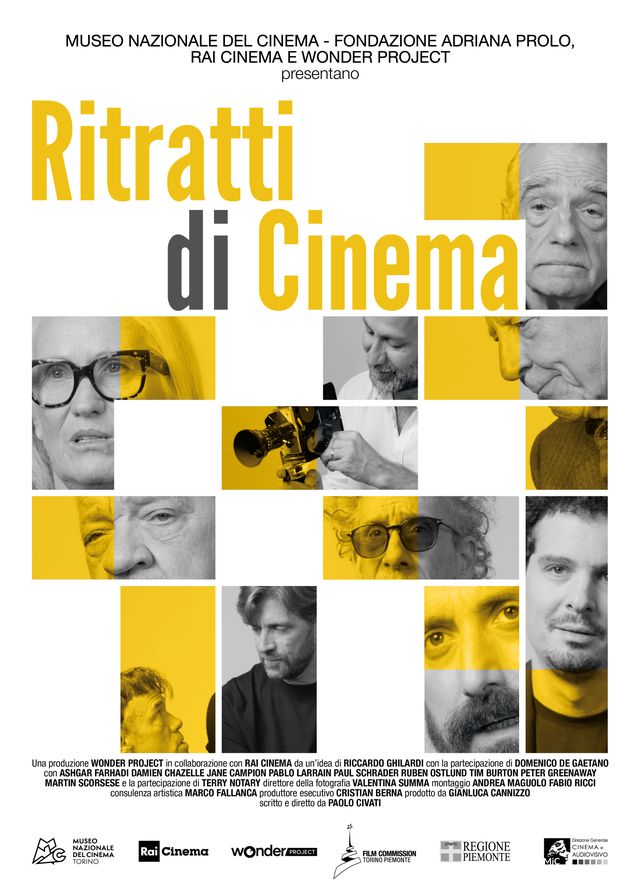
Jane Campion, Tim Burton, Ruben Östlund, Asghar Farhadi, Pablo Larraín, Damien Chazelle, Paul Schrader, Peter Greenaway, Martin Scorsese, discuss their craft as simple cinephiles and people who question the human condition. Their films aren’t mentioned, but rather shown through film stills that are alternated with the documentarian narrative. What emerges is an insightful conversation, where each cineaste shares his or her vision on spirituality, gender roles, and how the artifact of motion pictures can be more real than the material world we inhabit.
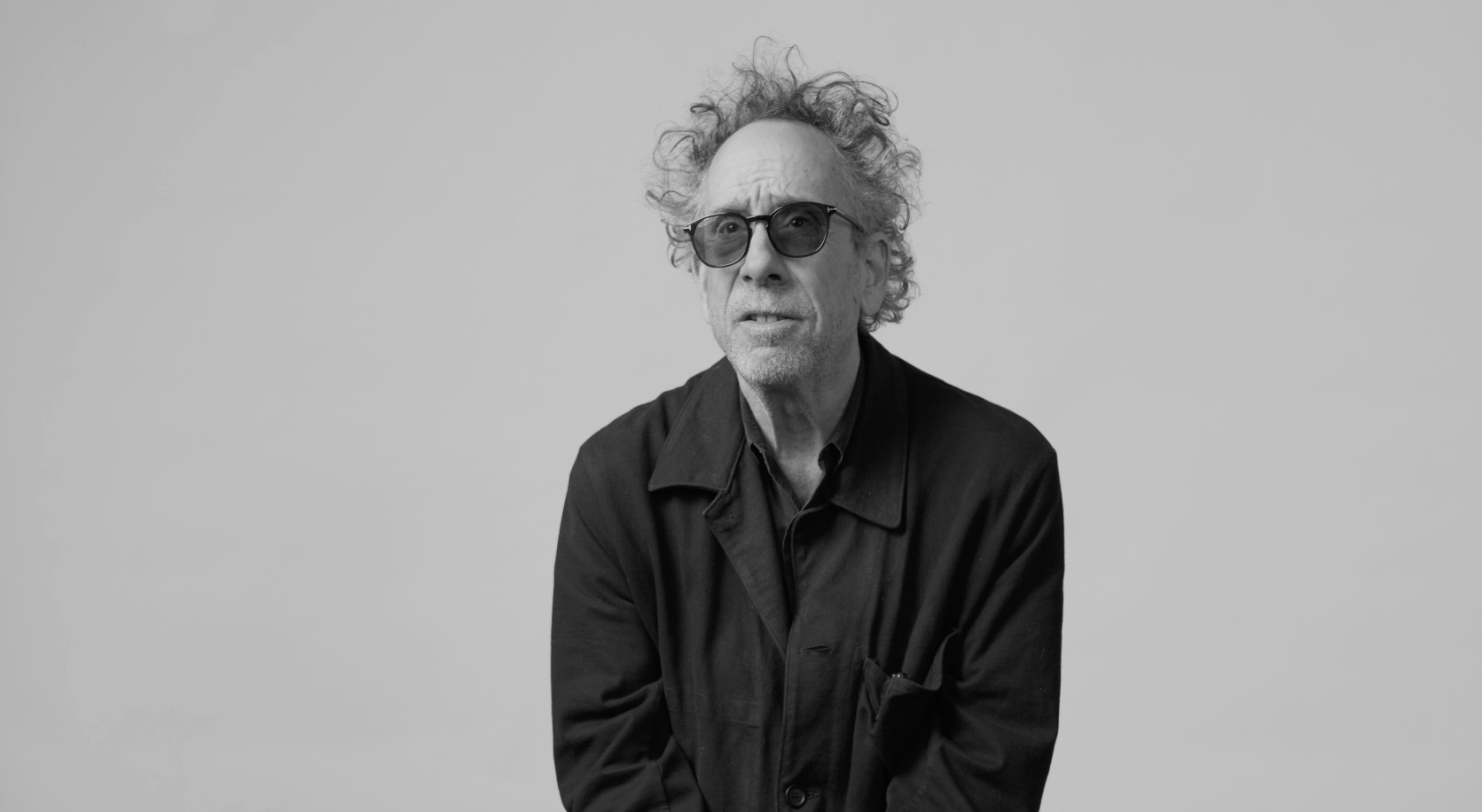
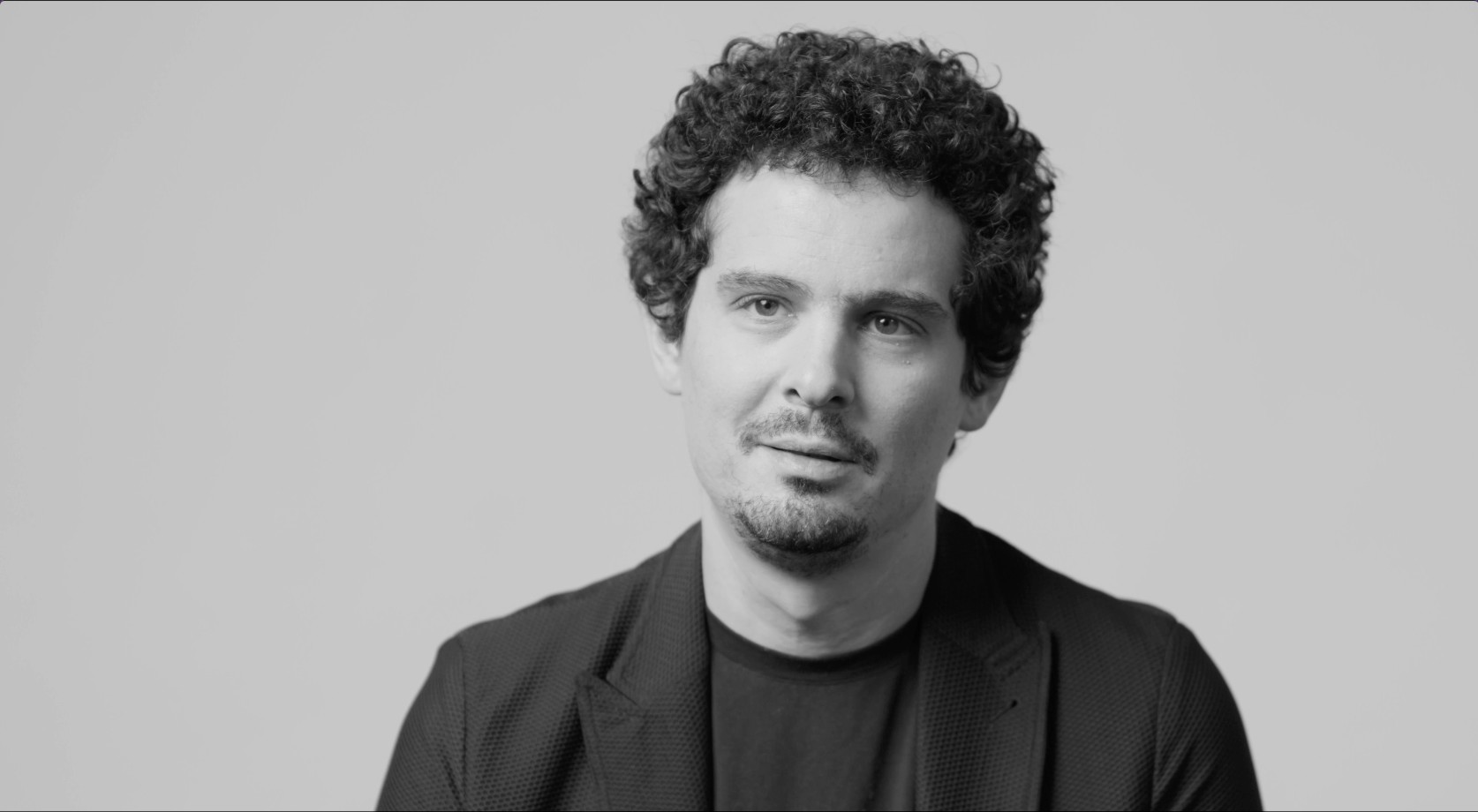
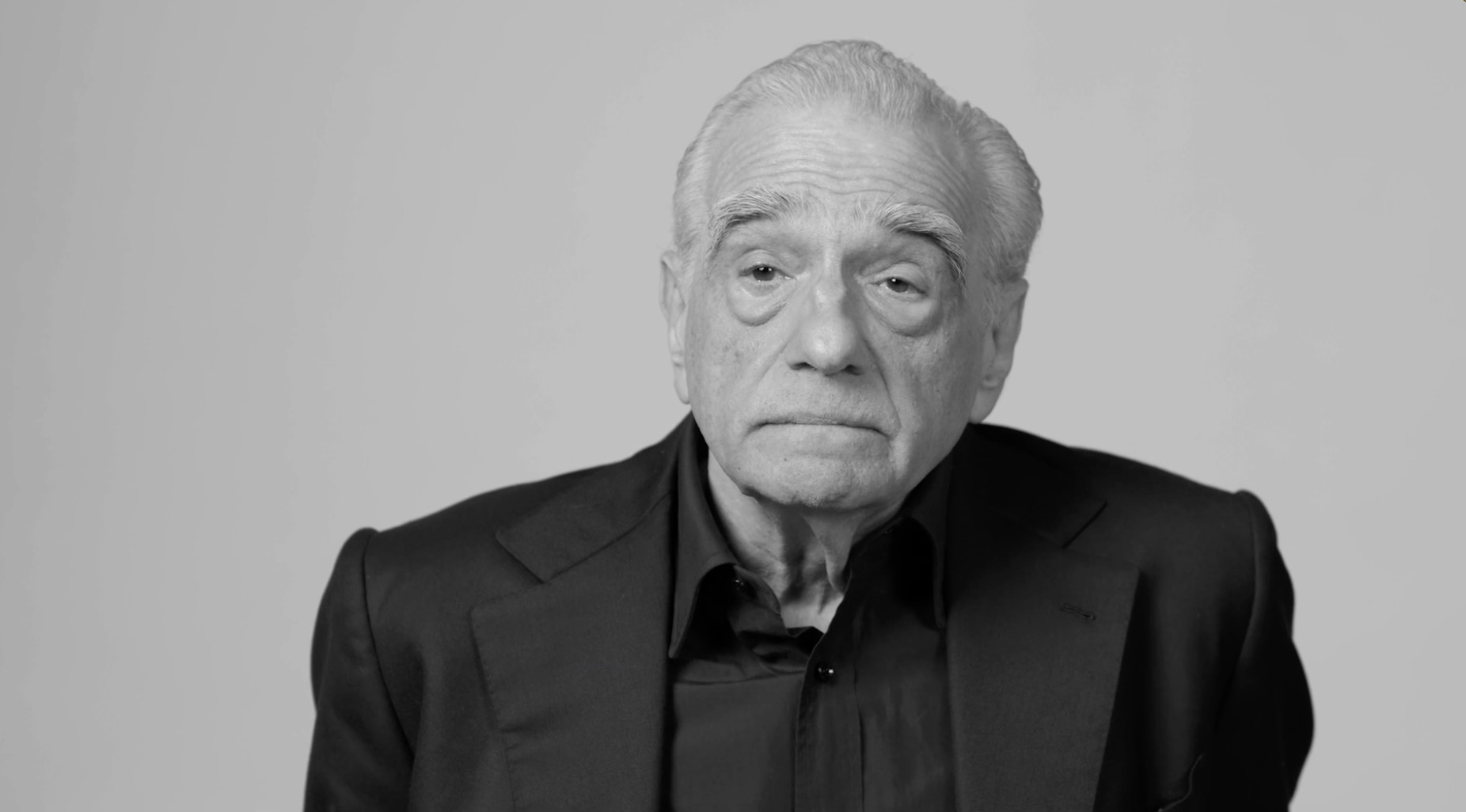
The documentary presented at the 43rd edition of the Torino Film Festival, will spellbound movieholics. Ritratti di Cinema, as the Italian title gives away, is genuinely a collection of Cinematic Portraits. The film directed by Paolo Civati, somehow reflects the origins of cinema, since it puts in motion images that were first conceived in a static manner. The photographic portraits of these nine film directors were shot by Riccardo Ghilardi: after each masterclass what followed was an interview with every filmmaker. The collection of these precious testimonies has been assembled together as a mosaic, by a film director whose experience spans from theatre to documentary. The result is a filmic choir delivering a kaleidoscopic symphony, that provides insight in the way artists come alive in their creation.
Nine great authors of international cinema, winners of all the major awards of the film world, from the Oscars to Cannes, Venice and Berlin share their different approach to the medium of moving pictures. Each interviewee speaks in his or her mother tongue, a directorial choice that allowed spontaneity and freedom of expression. Thus, this motion picture becomes a means to discuss the realm of the dream factory, and it does so by examining the human grasp on art. The choice of music, establishing relationships with actors, seeking sources of inspiration, are just a few of the topics of conversation.
The Mole Antonelliana in Turin is shown from the outside. There also some close-ups of some of the objects inside the museum, but overall there is not a wide-angle to show the inside of the building. This directorial choice enhances how cinema does not need a specific place, other than the place of mind. Space is filled with the ideas of the filmmakers who are capable of capturing a story within a frame. However, at the same time, we are reminded that the storytelling is happening in the city where Italian cinema began and where today it thrives with the institution that preserves the legacy of this creative expression.
The documentary Ritratti di Cinema, shows a different side to the stars we are used to admiring on red carpets, junkets, and interviews. As spectators we almost seem to peep through the keyhole of a psychoanalytical session where, one by one, the filmmakers share their vulnerabilities that they’ve channelled in their profession. They are engaged in discussing film as spectators, as artisans of a centennial profession that is influenced by a personal perspective on existence. Paolo Civati’s film allows to dig deep into the roots of the creativity and personality of these great authors.
Chiara Spagnoli Gabardi
©FIPRESCI 2025