
The Children of Perspectives: LIFFe’s New Voices Reimagine Youth, Memory, and Family
As part of the FIPRESCI Jury at the 36th Ljubljana International Film Festival, I had the pleasure of seeing the ten films in the Perspectives program, all of which were debuts or second features. Diverse in the themes they explore as well as their aesthetic approaches, they showcased the broad artistic expressions of emerging directors coming from various backgrounds. However, what stood out to me most was the fact that almost all of them dealt with the topics of childhood or dealing with children in one way or another—some more explicitly than others, but all in remarkable ways[1]. In this article, I will examine these approaches and attempt to identify the reasoning behind this intriguing coincidence.
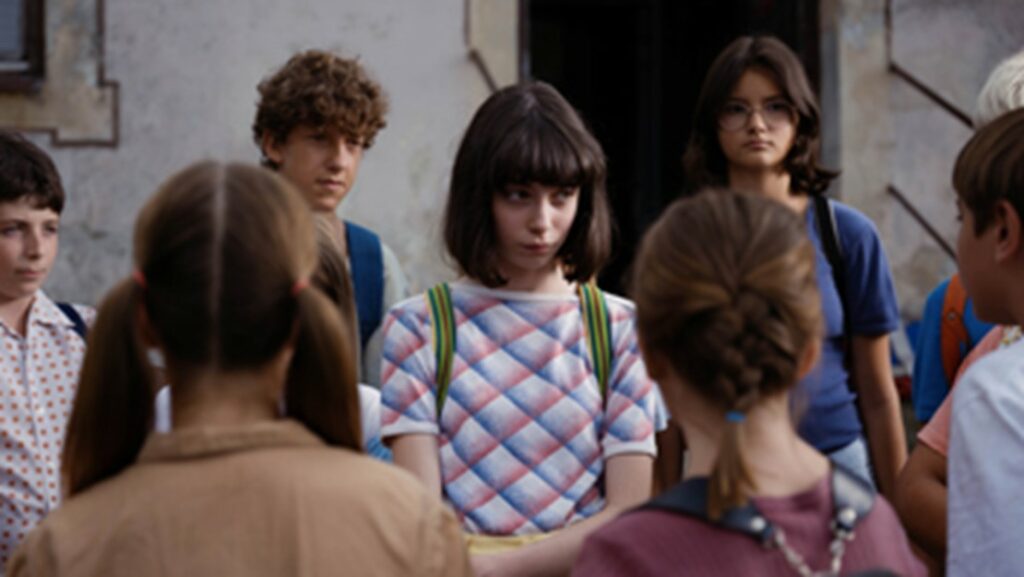
Perhaps the most striking and central role of a child or children is presented in the films The Devil Smokes (El diablo fuma) and Ida Who Sang So Badly Even the Dead Rose Up and Joined Her in Song (Ida, ki je pela tako grdo, da so še mrtvi vstali od mrtvih in zapeli z njo). In these two films, children are the protagonists—in the latter, Ester Ivakič’s debut, Ida is a dreamy-eyed, quiet, but thoughtful eleven-year-old girl from a small village in the Slovenian countryside. Her character is central to the film’s perspective and its rootedness in magical realism, reflecting her thoughts, dreams, and worries. Similarly, The Devil Smokes tells its story through the point of view of five siblings who are left alone in their family house with their paranoid, loony grandmother. Their world is full of naivete and playfulness and is rarely interrupted—even when it is, they make a game out of it. The whole film is shown with them as the central point, always keeping the camera close to them.
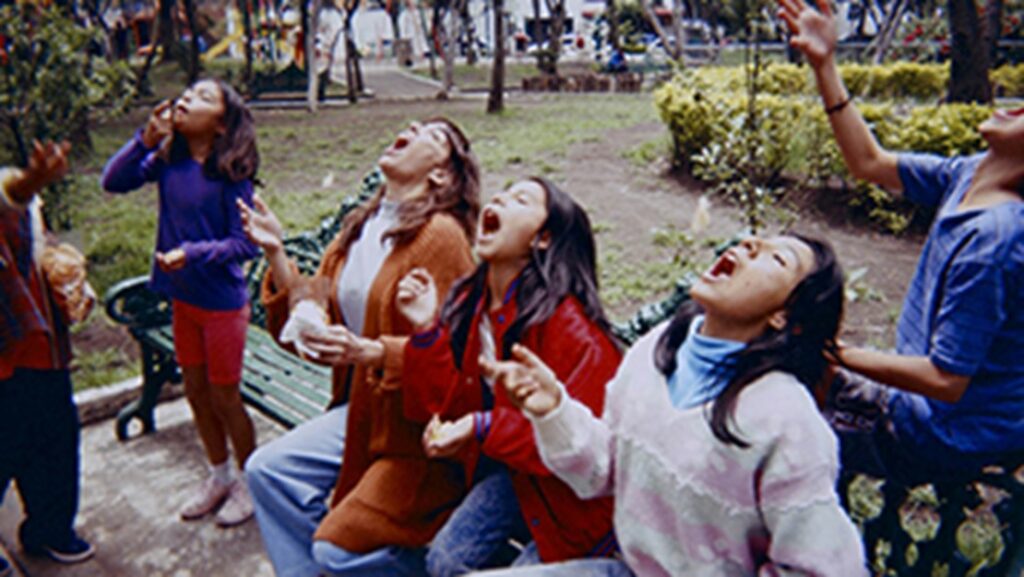
In A Sad and Beautiful World, we meet the protagonists as children when they first meet in school, before they are separated. We follow their love story, to the point where they have to decide whether to have children or not, and later on we see them raising their daughter. This film does not directly address childhood, as the love story is central; however, it is an important element of the characters’ story, and bringing the issue of raising children in the world we live in is a crucial part of the plot. Similarly, Growing Down (Minden Rendben) mostly focuses on the father, but his younger son is the main plot driver and the true star of the film. The suspense of what really happened is driven by his inability to speak up because of his father’s demands, highlighting their complicated relationship and personal grievances after the death of his mother.
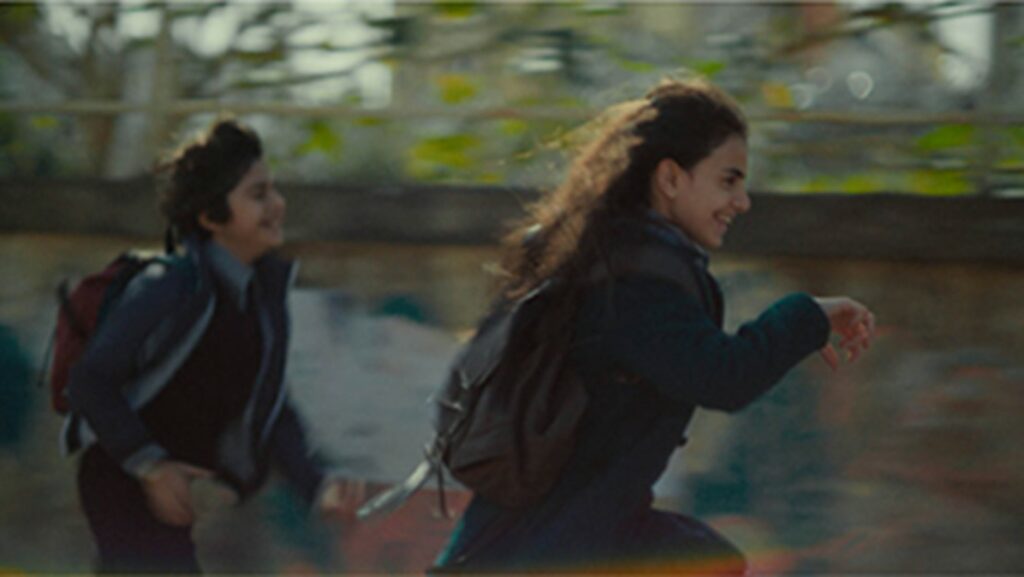
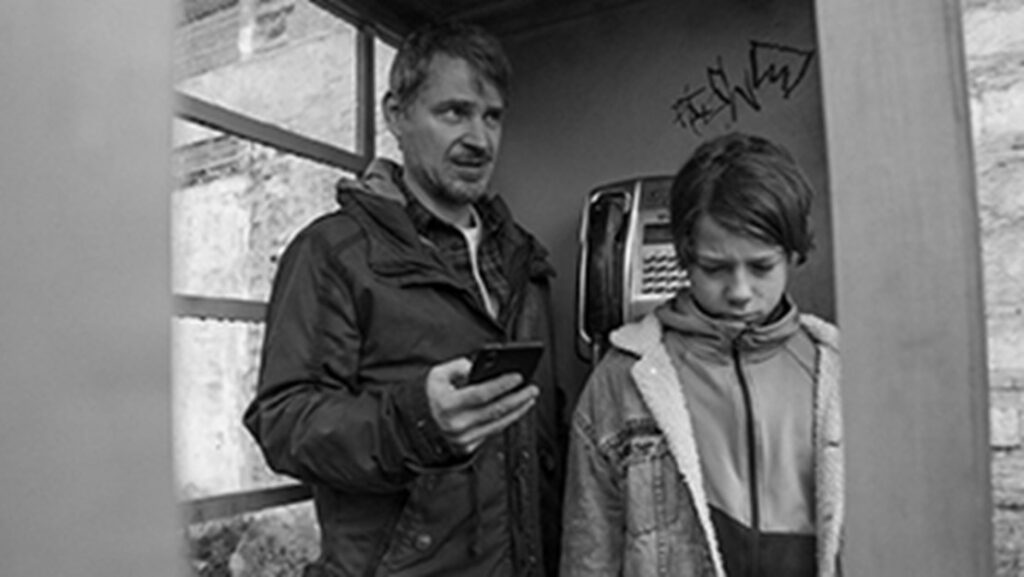
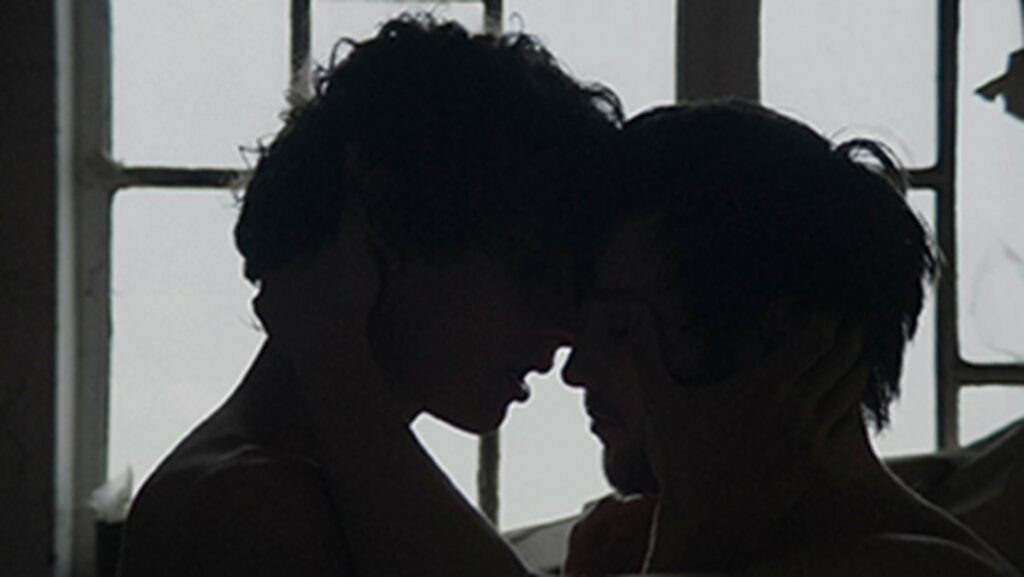
In Sandbag Dam (Zečji nasip), the children are already teenagers—on the brink of adulthood, but still naïve enough to live in a bubble of their parents’ expectations. This queer love story is a true gem of Croatian cinema, highlighting how a village is stuck in its own beliefs and thus maintains toxic masculinity and homophobia. The relationships between the mothers and sons are one of the key elements for showing these dynamics, pointing out that they can either drastically strengthen or weaken, even completely ruin the family bonds. Additionally, the dynamics between the teenagers are crucial for showing how widely spread and deeply rooted the cult of masculinity and homophobia are.
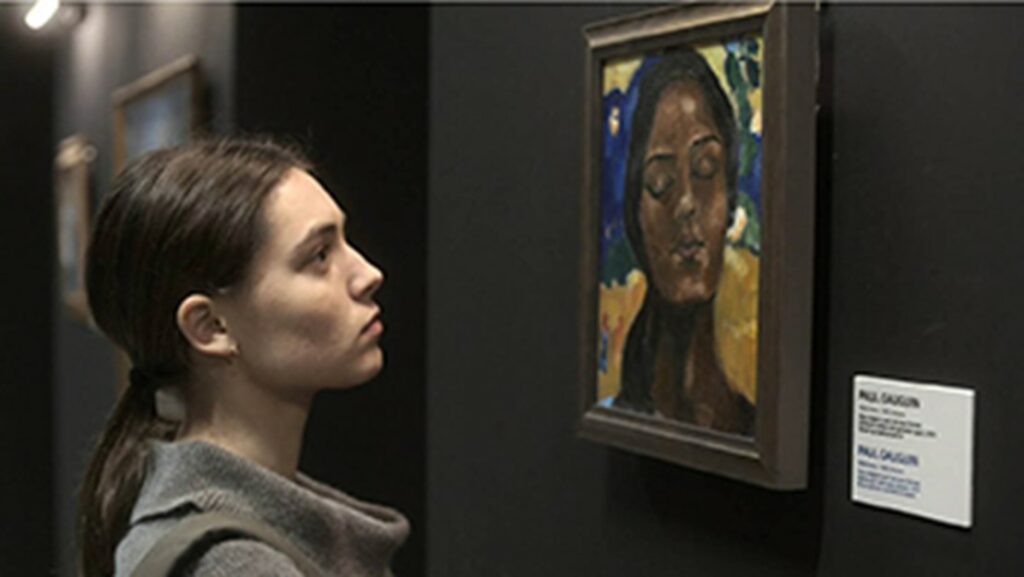
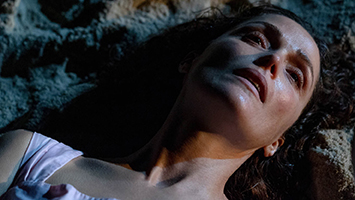
Traffic (Reostat) and If I Had Legs I’d Kick You are the least obvious films in dealing with children—at least on screen. In Traffic, Romanian immigrants work for meager wages in the Netherlands, trying to raise enough money to be able to bring their infant daughter to live with them. We only see her when they go back to Romania, but the thought of her is omnipresent, especially when it comes to the mother’s preoccupied mind. In If I Had Legs I’d Kick You, the main character’s daughter is with her most of the time, but we do not see her—the camera is completely focused on the mother, with extremely intense close-ups that show her anxious, stressed, and overwhelmed state. We only hear the daughter and sense her presence through the mother’s (re)actions, emphasizing the impact the daughter’s illness has on the protagonist as well. If I Had Legs I’d Kick You is an important film that depicts the hardships of motherhood rarely seen on screen with such intensity, and the absent presence of the child plays a central role in that.
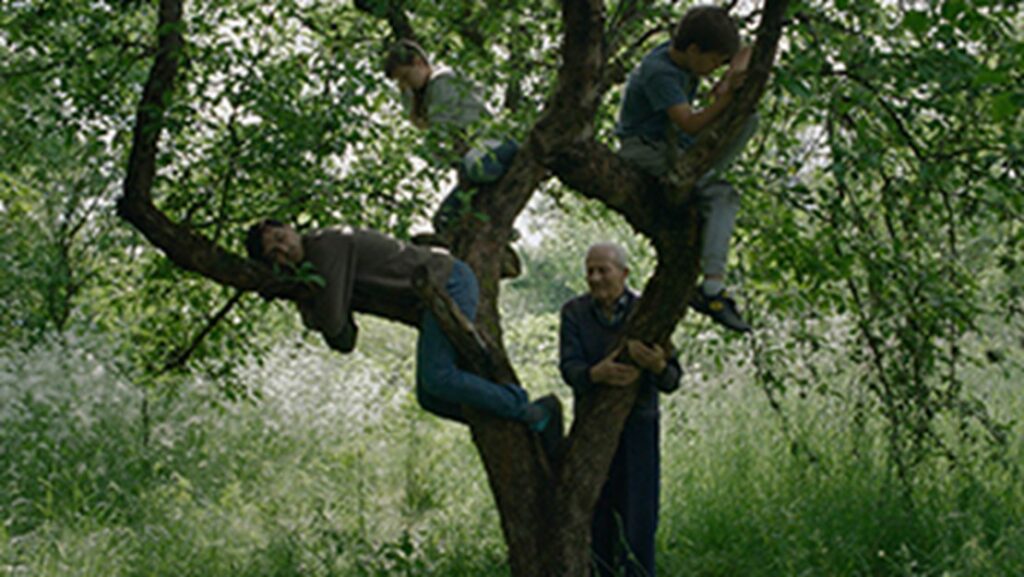
An overview of the Perspectives program presented films ranging from those that have children as the main characters to those in which children are almost absent (at least visibly) but still play an essential prole in the film and the plot. The two films that remain deal with childhood or children in a mix of documentary and fiction, both very personal stories. In Wind, Talk to Me (Vetre, pricaj sa mnom), Stefan Đorđević mixes documentary footage of his time with his dying mother with fictional elements that drive the plot, as well as family footage showing all family generations together repairing a camping house after his mother’s passing. All footage is blended, and it is virtually impossible to tell what is staged and what is not. Blue Heron is also a semi-autobiographical film; however, it begins with a seemingly fictional story of a family burdened by not knowing how to deal with or help their eldest son, who is struggling with his mental health. It is told from the perspective of the youngest daughter; eventually, in an entrancing and remarkably impactful scene, she turns out to be a film director, processing her family’s trauma through making a film about it. Again, reality and fiction are perfectly blended, in this case in a way that surprises the viewer and shifts the focus of the film.
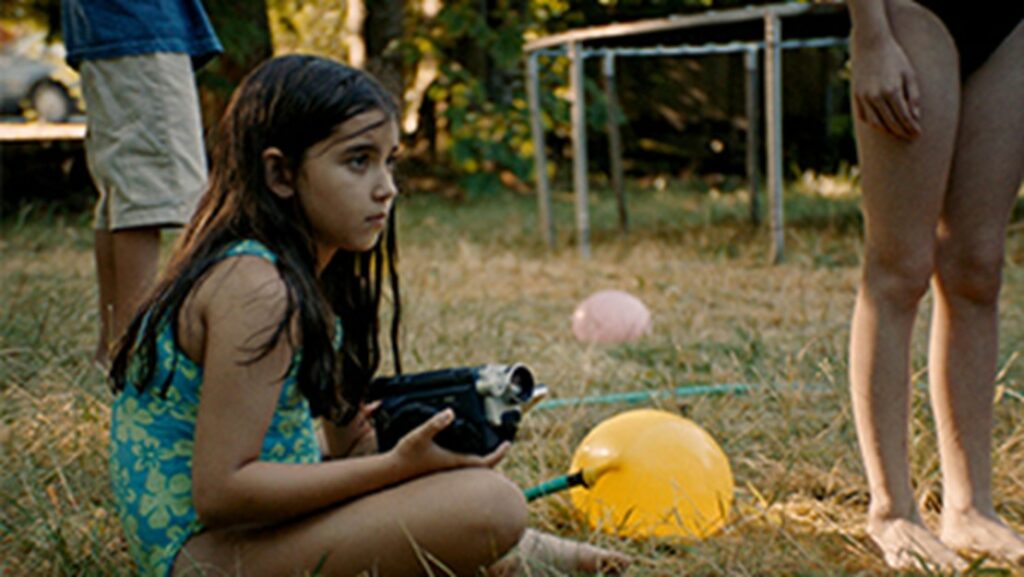
These last two films and their blend of fiction and reality can perhaps guide us to an understanding of why emerging directors choose to deal with topics relating to children and childhood. First of all, it is one of the most universal topics, offering innumerable approaches, which are also represented in this selection of films and their diversity. And perhaps, it is also a topic that feels close to home for emerging directors—it seems that those stories that stem from their own experiences, knowledge, and dilemmas bring out the best and the most impactful stories. It is a pleasure to see them on screen and look forward to what they create next.
Tinkara Uršič Fratina
Edited by Robert Horton
© FIPRESCI 2025
[1] The only film that did not include this topic was Peacock (Pfau – Bin ich echt?). Consequently, it is not included in this overview.