
Taking Their Time: An Interview with the Actresses of Drunken Forest
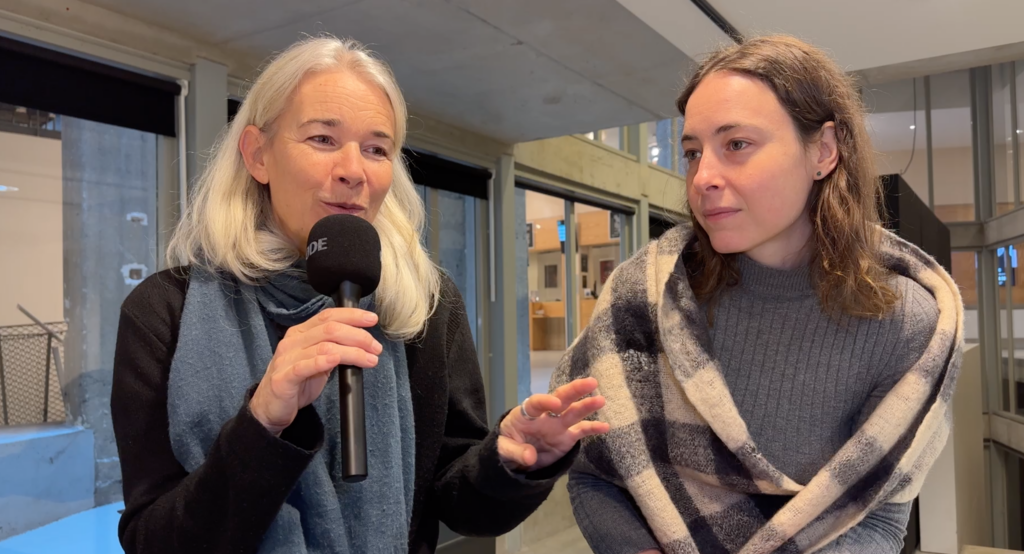
Salomée Richard and Anne Coesens are the two lead actresses in Drunken Forest (Forêt Ivre), directed by Manon Coubia and selected for the Perspectives competition at the 2026 Berlinale. It is a restrained and deeply feminine film that takes time for observation and silence, in which women confront nature, intentional solitude, and a world in transition. Belgian film critic Jessica Matthys met them in Berlin.
J: What was your initial relationship with the mountains, hiking, and the role of a mountain hut warden before starting the shoot? Was it a subject that resonated with you?
Salomée Richard: Hiking has been part of my life for a long time. I’m very familiar with it—I go walking every year. So this environment wasn’t unfamiliar to me. I didn’t prepare for the role in any specific way, but I already knew Manon’s way of working, as I had collaborated with her before. Her approach—without a script, with a small team and no marked hierarchy—was already familiar to me.
Anne Coesens: I was also familiar with Manon’s work before the shoot. I really like this very free method. There isn’t really a script, and that’s part of what feels a bit magical: You have the impression that nothing is being prepared, and at the same time you sense that Manon is guiding things, dropping small clues, small directions, which allow you to follow the character’s path day after day. And then, in the end, on the eve of shooting, you find yourself with a very precise text – at least for me. And during the scene, it ultimately flows naturally, even though I received it only the day before. It’s a very pleasant process.
J: Did you spend time at the mountain hut before the shoot?
Anne Coesens: Not really. However, during the shoot, we lived on site: we slept, ate, and worked at the hut. The boundary between work and everything else was very porous. What you see on screen, we were actually doing. The hut was fully operational.
J: The film features exclusively female characters. Did that surprise you?
Salomée Richard: No, not at all. I’ve often encountered women in mountain huts. This female perspective doesn’t surprise me, either coming from Manon or from the team she brought together. She knows where we stand, particularly on feminist issues, and it’s no coincidence that she chose us.
J: Solitude runs through the film without being its central subject. How did this notion feed into your characters?
Salomée Richard: My character is a woman who chooses to leave everything behind for voluntary solitude. She wants to savor every moment of it: the silence, the snow, the fire, the passing of time. But this solitude is disrupted by an encounter and becomes more imposed. That’s the starting point of her journey.
Anne Coesens: My character, on the contrary, stayed when everyone else left. She lives in the valley, works a series of small mountain jobs, and goes up to guard the hut. Her isolation comes from rootedness. She is also a witness to a world that is disappearing, which makes this solitude very unsettling.
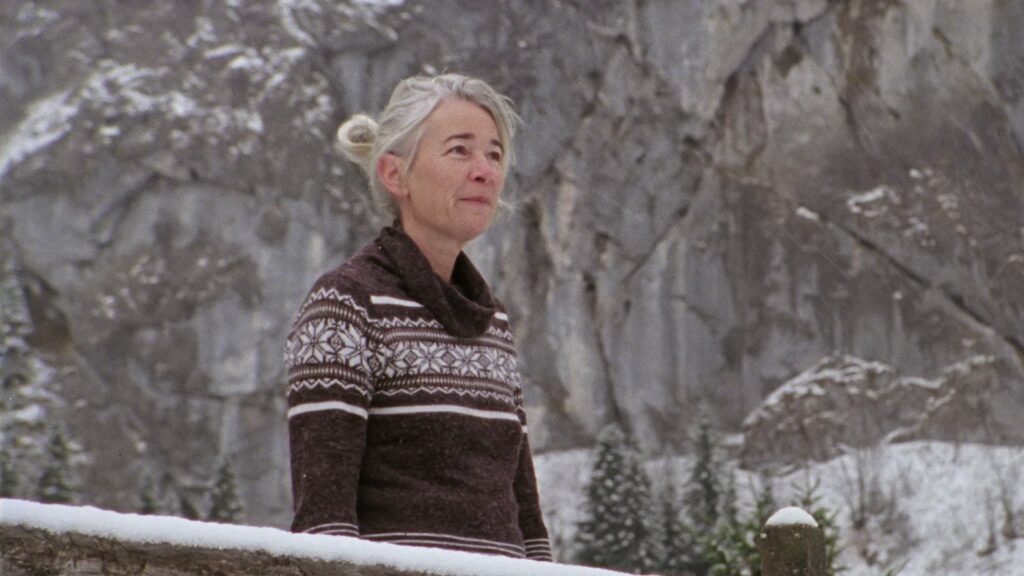
J: How did you experience filming in the mountains?
Salomée Richard: It’s a rare and precious experience. We were completely self-sufficient, fully immersed. There was a real team spirit and a great deal of trust. We adapted to everything—the weather, encounters, unforeseen events. It creates great freedom and a true presence in the world.
J: Were the hikers we see in the film real hikers?
Anne Coesens: Yes, only real hikers. The sounds, the interactions—everything is real. They are living elements that we worked with.
J: Anne, I discovered you in 2006 in the film Cages by Olivier Masset-Depasse. Has the way you choose your roles evolved over the past 20 years?
Anne Coesens: I don’t yet fully have the luxury of choosing, but I refuse projects I don’t believe in. This film was a gift—it came at exactly the right moment in my life. A true choice of the heart.
J: The film is selected for this year’s Berlinale. What does this recognition represent for you?
Anne Coesens: It’s an immense joy. We’ll all go together, with the whole team. There’s excitement and a bit of apprehension, but above all the feeling of extending the film’s collective adventure.
Jessica Matthys
© FIPRESCI 2026