
Norwegian film critic Eirik Bull reflects on three standout documentaries presented at the Brussels International Film Festival, examining how individuals navigate systems of confinement, conflict, and fractured human relationships.
8th Brussels International Film Festival presented a competition of seven films, three of them documentaries.
The overall quality was high, with a wide range of stories and themes. I found myself especially drawn to the documentaries. Despite their very different subjects, they shared a common thread: each looked at how individuals live within systems far bigger than them. These were the films that stayed with me, each giving a clear and often uncomfortable look at lives shaped by confinement, conflict, and attempts to repair what has been broken.
Road 190: Life in the Shadow of the System
Directed by Charlotte Nastasi and Emilie Cornu (Switzerland, Belgium)
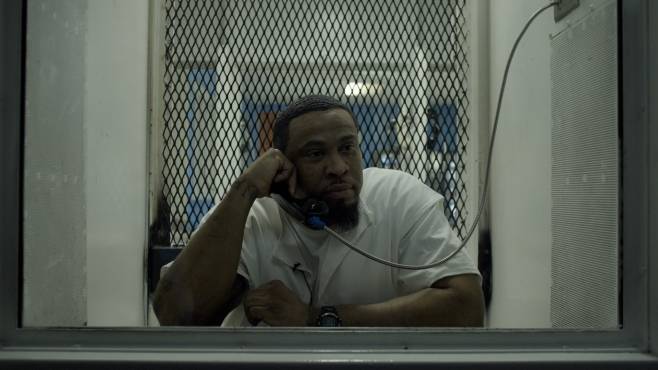
Road 190 paints a stark portrait of Walker County, Texas, known as “Prison City” due to the seven correctional facilities that dominate its landscape. The film is guided by the voice of Mabry, a death row inmate reflecting on the 60-kilometer journey he will one day take along the titular road to his execution in Huntsville.
But the film doesn’t stay with him alone. Instead, the directors—one of whom is a criminal psychologist—turn their attention to the surrounding community. They show how the prison system shapes daily life, beliefs, and attitudes in this deeply conservative environment. What we see is a community that has, in many ways, accepted capital punishment as part of everyday reality, even as it continues to raise difficult moral questions.
Of the seven films in competition, Road 190 may have been my personal favorite. What struck me most was the contrast between Mabry’s calm, reflective presence and the lives along the road that will lead to his death. In a sense, everyone here seems caught in the same system, whether they acknowledge it or not. For me, the film becomes a reflection on the value of human life, and on a society that no longer seems to agree on what that value is.
Cuba & Alaska: The Unbreakable Spirit at the Frontline
Directed by Yegor Troyanovsky (Ukraine, France, Belgium)
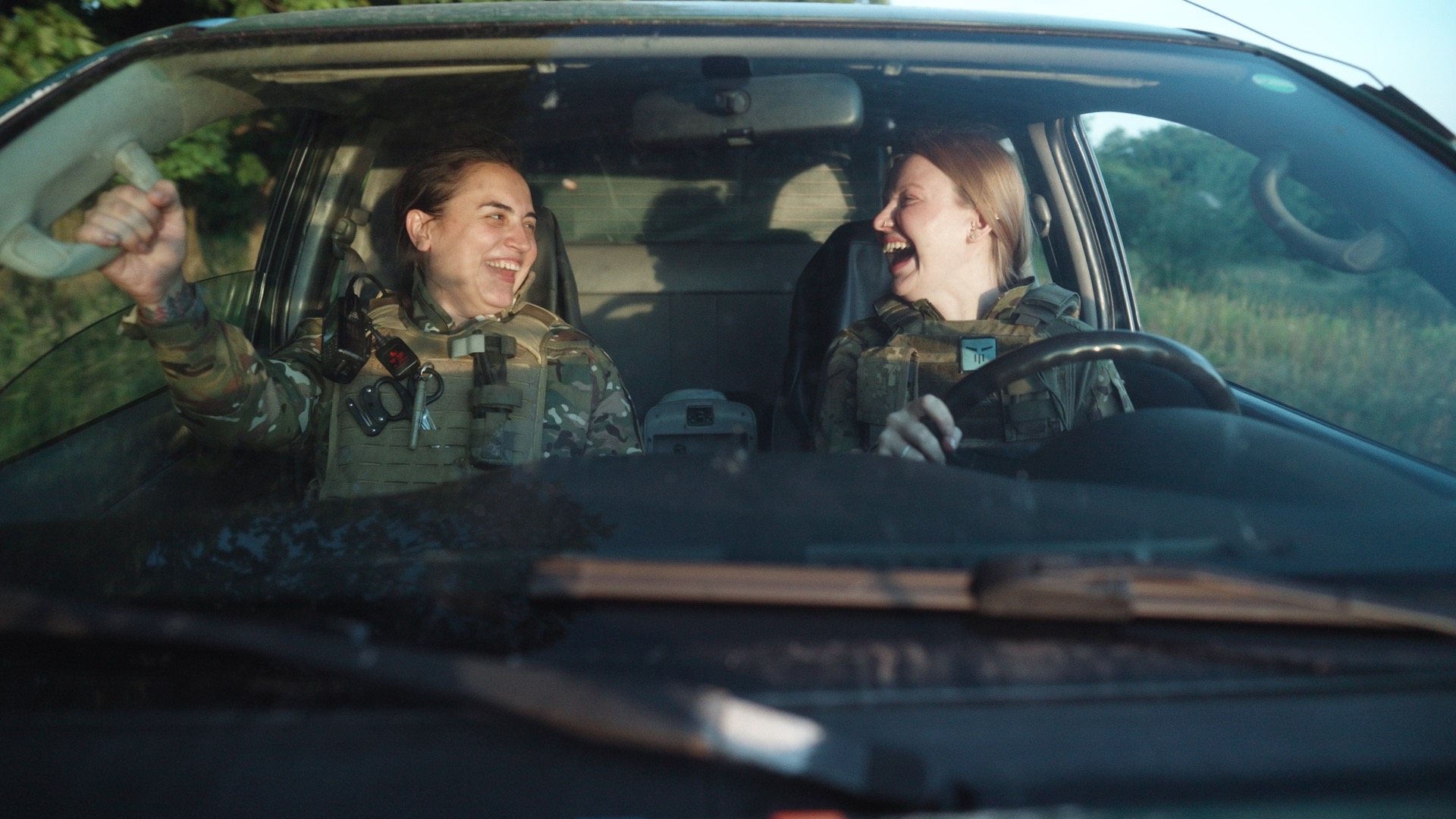
In Cuba & Alaska, Yegor Troyanovsky places us directly on the frontlines of the war in Ukraine through the eyes of two young medics, Yulia (“Cuba”) and Olexandra (“Alaska”). Shot using body cams and mobile phones, the film captures the chaos and exhaustion of their daily reality.
This is not a conventional war documentary. The focus stays firmly on the bond between the two women. Their friendship, shaped by dark humor and shared experience, becomes a way of holding on to something human in a setting that constantly threatens to strip it away.
The film leaves you with a difficult question: what happens when this is over? When survival becomes routine, is there any real way back to a normal life?
As part of the competition, Cuba & Alaska stood out for its intimacy. Their determination to keep going and to help others, however they can, feels both admirable and fragile. What stays with you is not just what they go through, but what they may carry with them long after the war ends.
To Meet Again (Pour se revoir): The Cautious Hope for Reunion
Directed by Thomas Damas (Belgium)
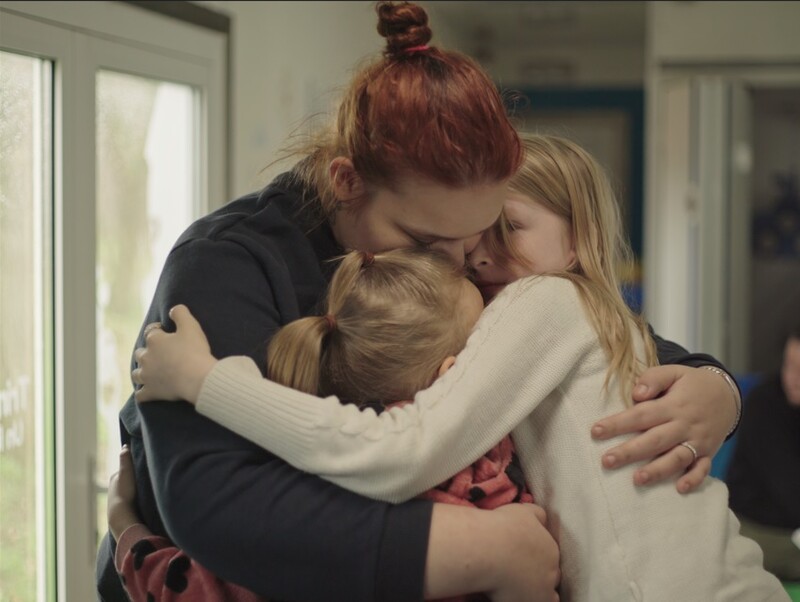
Thomas Damas’ To Meet Again takes us inside a little-known part of the Belgian justice system: the “Espaces-Rencontre,” neutral spaces where children meet a parent who no longer has custody. The film observes these encounters closely, capturing moments that are often tense, fragile, and marked by what is left unsaid.
Damas takes a restrained approach, letting the situations play out without interference. It quickly becomes clear how difficult it is to rebuild trust and connection within such a controlled setting. The film doesn’t push toward conclusions. Instead, it asks a simple but difficult question: can something real grow in a space defined by supervision?
As a father of two now adult sons, this film stayed with me. It could easily have leaned into more manipulative territory, but instead it remains focused and patient. By giving space to the children, not just to speak, but to react, the film captures something honest about vulnerability and care.
While it stood apart from the other films in the lineup, To Meet Again feels no less important. It may not have the immediacy of war or the scale of the prison system, but its focus on broken family bonds hits just as hard. It’s the kind of film that should reach well beyond the festival circuit.
Over festival days, we saw stories that challenged, unsettled, and moved us. It was a reminder of what cinema can do at its best: bring us closer to lives far removed from our own, and make us sit with them for a while.
Eirik Bull
©FIPRESCI 2026