
Along with celebrating Broken Voices, the winner of the FIPRESCI prize at Sofia, critic Mo Abdi looks at some of the other significant titles from the international competition.
The Sofia International Film Festival, one of the largest cinematic events in the Balkan countries, celebrated its 30th edition in 2026, featuring three competition sections: the international competition, Balkan films, and documentaries. In the international competition, twelve films from various countries—from the Czech Republic to Bulgaria itself—were screened, forming the scope of our jury’s work at a festival where the tradition of awarding the FIPRESCI prize dates back to the 1980s.
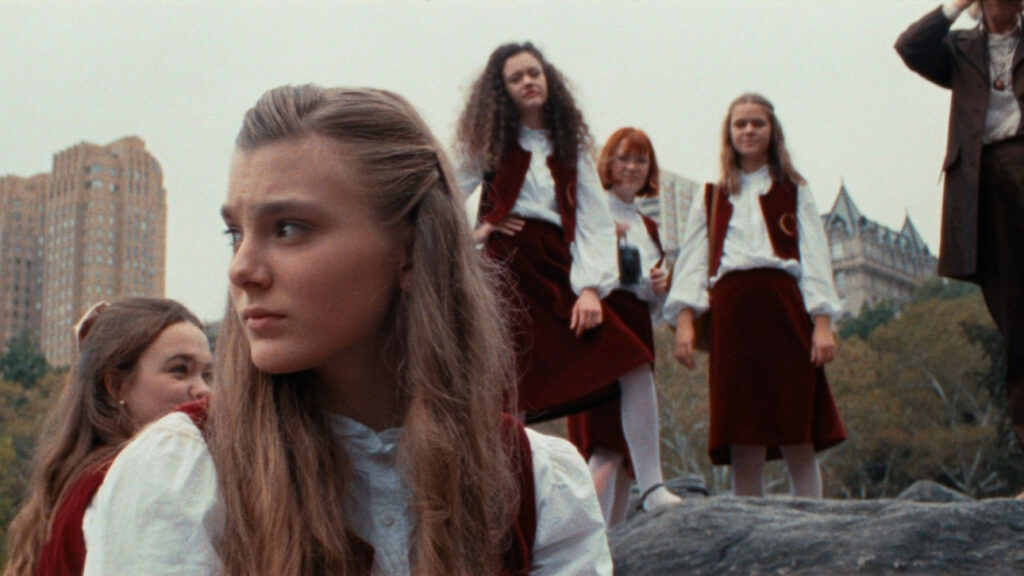
Broken Voices (Sbormistra), directed by Ondřej Provazník, became the selected film of this year’s festival in two categories, securing the collective agreement of the FIPRESCI jury, and the approval of the main festival jury. It is a compact, compelling work that distances itself from familiar clichés. A story like this—about teenage girls in a choir being abused—could easily have turned into a slogan-driven, trendy film. Yet the filmmaker’s distinct perspective creates another world altogether, where everything stands apart from social waves and the conditions of the day. The young but astonishing actors share with us a complex world in which the characters’ decisions, their judgments about their circumstances—and our judgments about them—are anything but simple. Everything is layered with complexity, giving the film a rich, nested, and captivating texture. Notably, everything is intertwined with art and music.
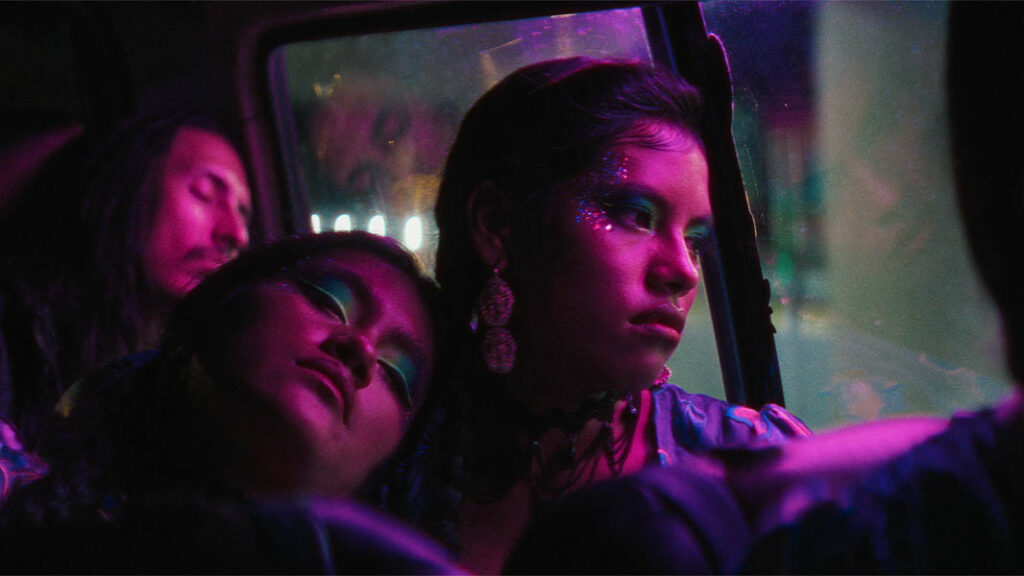
The Condor Daughter (La Hija Cóndor), directed by Álvaro Olmos Torrico, offers another striking new image of Bolivia—a place where life in the heart of nature and tribal beliefs stands in contrast to modern urban existence. The film tells the story of two generations: an elderly woman living in the mountains, serving as a midwife to her people, and a young girl who has lived with her since childhood and now assists her, singing to women in labor as they give birth. These songs, along with the poetic quality of the moments and scenes, lends the film a distinctive atmosphere that is deeply real and tangible. The film beautifully advances the theme of tradition versus modernity and has the potential to reach extraordinary conclusions; however, it fails to end where it should—without explicit resolution. The beautiful imagery of the old woman fading into the mountains could have provided a fitting ending, but by continuing the story and bringing the girl back—and by offering an unnecessary conclusion regarding tradition and modernity—the filmmaker weakens the film.
Life in a Beat, directed by Amerissa Basta, presents a vivid and engaging portrayal of a young person’s life in contemporary Greece, where financial struggles intertwine with family tensions—illustrated through the girl’s unusual relationship with her father—and emotional complexities. The filmmaker succeeds in revealing her distressed protagonist within a tense atmosphere.
Hold on to Me, directed by Mirsini Aristidou, similarly offers a compelling depiction of a father-daughter relationship. Here, a criminal father returns after a long absence, and his eleven-year-old daughter now wants—by any means and at any cost—to keep him in her life. The film creates tangible and engaging moments and draws the viewer into the childlike world of its main character, where the young actress, through her expressions alone, communicates with the audience and conveys the complex emotions of a child.
Dump of Untitled Pieces, directed by Melik Kuru from Turkey, could have been among the more striking films in this section. It follows a young woman in contemporary Turkey trying to carve her path in photography while facing numerous obstacles. The film attempts to depict a generation’s rebellion against predetermined rules and uses black-and-white imagery to connect cinema with photography. However, its reliance on slogans and a self-conscious, affected style of direction—ironically, in a film that critiques pretense in art—ultimately undermines its success.
Mo Abdi
© FIPRESCI 2026