
The transformative power of rituals of care: Why we awarded Hazara Town the FIPRESCI Award at IDFA
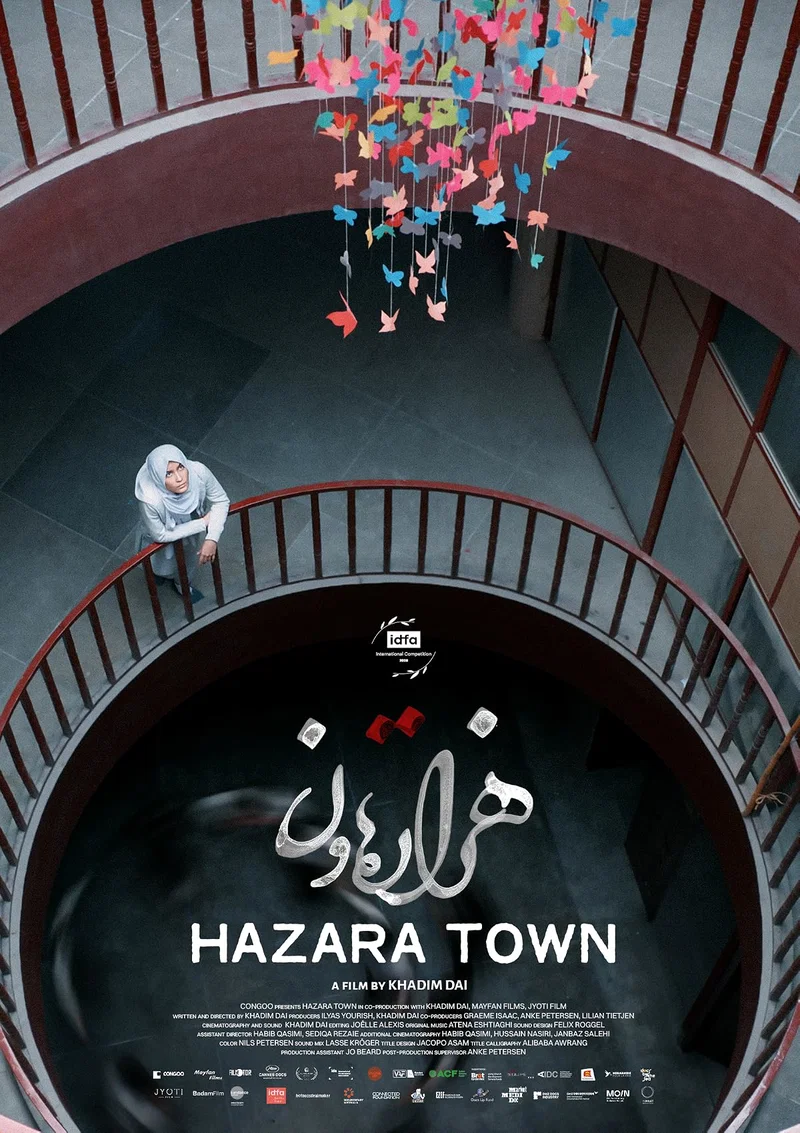
A mother of two carries a small metal pan containing glowing embers that give off smoke. She walks around with it from room to room, spreading the smoke from space to photo to person. She instructs her daughters to let the smoke travel up the inside of their shirts and exit through their collars as they wave the smoke toward themselves. It is instantly recognizable as an act of everyday care, of well wishes, protection, and blessing. Hazara Town (original title: هزاره تاون), this year’s FIPRESCI-Award winning documentary at IDFA, opens with it.
This scene is followed by one with an uncle playing tag with his two giggling nieces in another room, followed by a scene in which the same uncle leaves by car and the matriarch throws a can of water on the back window. A traditional Afghan/Hazara farewell ritual wishing someone, like flowing water, a smooth journey, and that they may return safely.
The opening minutes of Hazara Town at first seem to offer mere glimpses into the everyday life of a loving family. It is only by the end of the film that we fully understand why it is necessary to begin here, with these seemingly ordinary gestures. How in these small acts of care the film’s transformative power resides.
Hazara Town is a film about a displaced family from the persecuted Hazara ethnic group, living amid uncertainty and danger in the Pakistani city of Quetta, and who are subsequently scattered all over the world. We awarded the film with the FIPRESCI Award—our jury included Paola Casella, Hrvoje Pukšec, and myself—because, through it all, Hazara Town manages to make us feel the absence of choice shared by all refugees. And, through its subjects’ humanity and their rituals of care, makes us understand that what is threatened is, firstly, their physical safety and a place to call home, and secondly, the life they have built around one another, their culture, their rituals, their shared history, and their capacity to be together.
Later in the film an important family member returns after a yearslong absence. He comes back just in time for a major birthday and gets to dance and sing along as if he had always been there. He holds up his phone to film a girl dancing with her friends and, as the camera later reveals, to share the moment with the girls’ grandparents on the other side of the world.
By now, we know why he was away, though, and why those grandparents we met at the beginning of the film aren’t there anymore. We have meticulously witnessed the consequences of the town’s danger; of targeted killings and bombings aimed at the Hazara community. A danger that makes staying a near-impossible choice, the funerals, the deaths of neighbours and the endless production of tombstones remind us of what can happen to those who do not flee.
In an earlier, heartwarmingly open conversation, the father, still in Australia, and daughter, who is about to depart for Los Angeles, talk about the pain of leaving; about the danger the father faced where they lived and even while on the boat to Australia; about the heartbreak that followed and how she, his almost fifteen-year-old daughter, could experience the same, but luckily on a much safer journey. It shows how care cannot remove the danger, undo displacement, or guarantee a painless transition—but it can give someone the emotional resources to face it.
And through all this, the opening scenes in particular are transformed retrospectively. At the beginning of Hazara Town, they are simply moments of love and care within a family. By the end, we understand how much they hold. The film ultimately changes how we see the people behind the experience of displacement. It brings us close enough to make us witnesses to their love, not just their cruel circumstances. So they can become what they are: human.
On top of the FIPRESCI Award, Hazara Town won the IDFA Award for Best First Feature and a Special Mention in the International Competition, the film finished fifth in the festival’s Audience favourites.
By Loeke de Waal
Edited by José Teodoro
COPYRIGHT FIPRESCI