
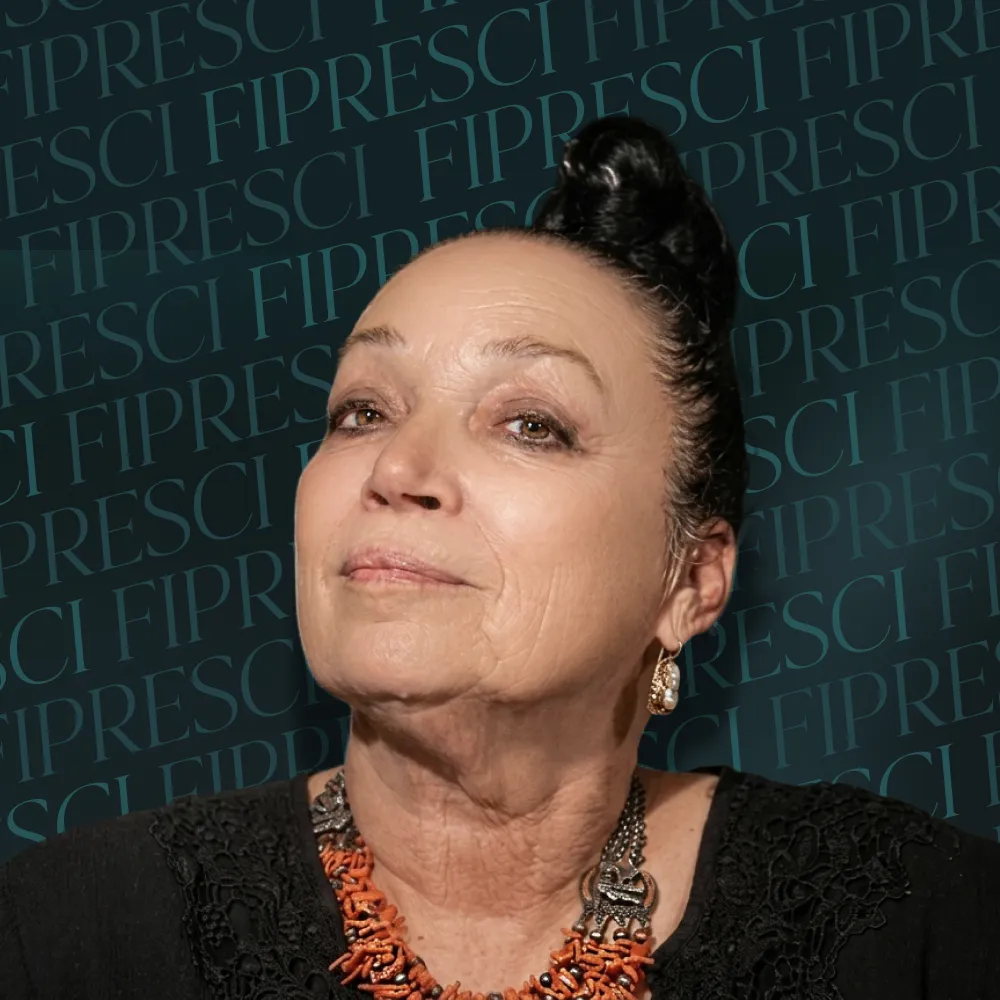
Edna Fainaru was one of the most essential and influential figures in Israeli cinema over the last four decades and, paradoxically, at the same time, one of the least known to the Israeli public. This is partly because she published her articles mainly in international outlets such as Variety and Screen International.
Edna was a devoted member and supporter of FIPRESCI, and a constant presence on juries and at cinematic events around the world. I do not use the word “devoted” merely as a courtesy. Edna was generous, energetic, and optimistic, always creating a positive atmosphere around her—one of cooperation, encouragement, and human warmth. Her name in Hebrew evokes warmth and generosity, and she lived up to the promise of that name.
She served as an artistic consultant to a wide range of international festivals, from Geneva, Copenhagen, Taormina, and Istanbul to local Israeli festivals such as the Haifa Film Festival and the International Student Film Festival, helping and encouraging the younger generations that were so important to her. In the last decade, she served, together with her husband Dan, as the artistic director of the Arava International Film Festival.
In the Israeli film community, Edna was the founder and editor, together with Dan, of Cinematheque, the long-running magazine that for many years was the only film magazine in Israel. Through its pages, she connected Israeli film lovers to the most important developments in international cinema, writing about both new and classic films, and publishing extensive interviews and masterclasses in Hebrew with some of the world’s most prominent filmmakers.
Most importantly, she championed serious, thoughtful, and profound writing about cinema. Through the magazine, founded in 1982, Edna and Dan gave generations of young Israeli critics, directors, and film professionals the opportunity to develop their thinking about cinema by offering them—and I should really write us—a place to publish substantial texts about the art of film, even on the most obscure directors and forgotten works, even when doing so made little economic sense. Without the Fainarus, Israeli film culture would have been far poorer and far more limited, reduced largely to the routines of daily film criticism.
On a personal level, I will always remember sitting beside Edna in movie theatres, especially during the Mikio Naruse retrospective at the Thessaloniki Film Festival many years ago, when she wanted to make sure I saw as many of his films as possible. Edna was always encouraging me to write more, think more, and dare more, just as she did for so many others. She did so with her gentle, mischievous smile, a smile that could make you feel she was at once a motherly figure and a partner in crime.
Cinema will miss her, and so will all of us.
Pablo Utin
Co-Chairperson, Israeli Film Critics Association
©FIPRESCI 2026