
Building a Future for Central Asian Cinema in Bishkek
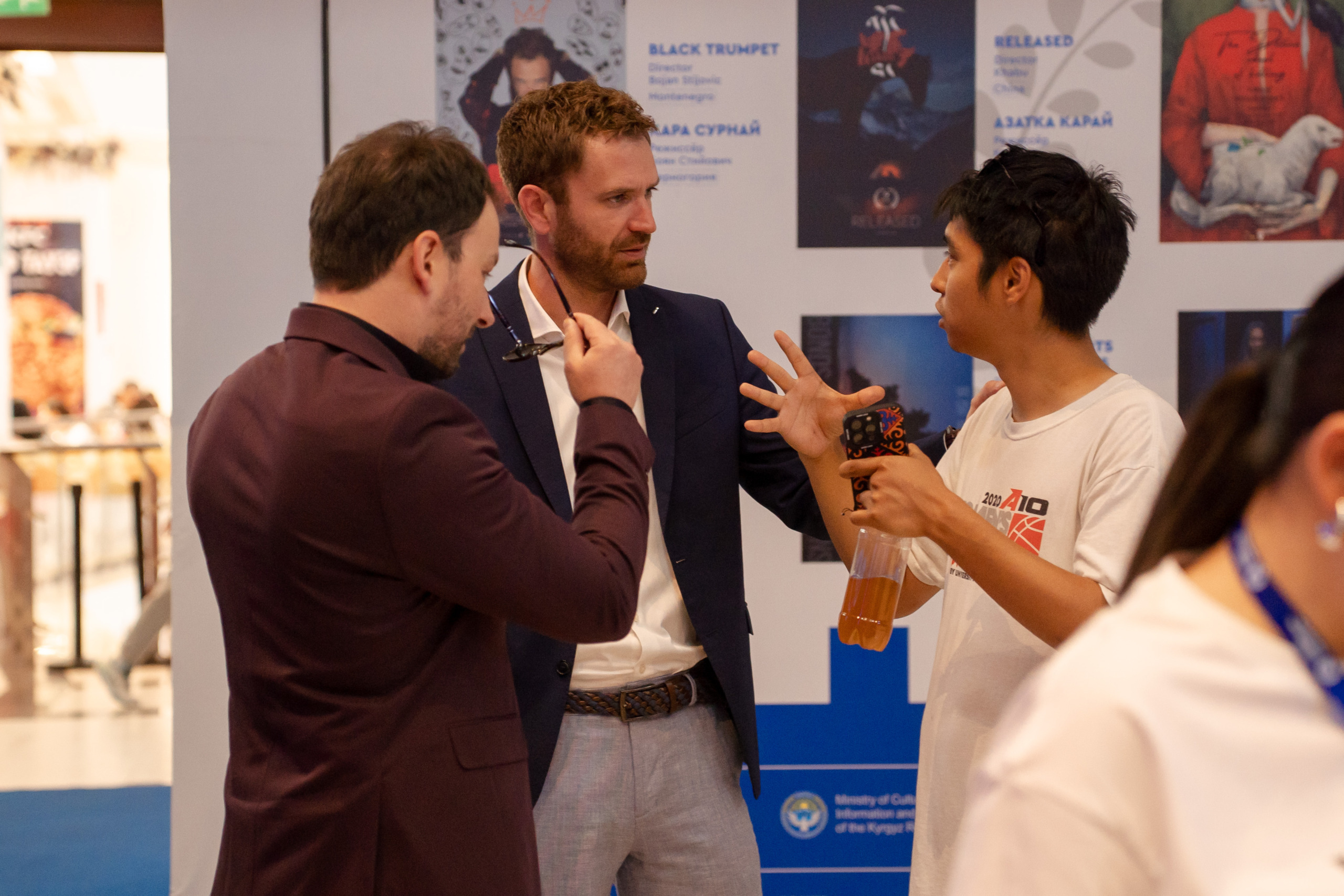
In her report, Israa Radaydeh explores how the Bishkek Film Festival has evolved into a platform for film development, industry collaboration, and critical engagement across Central Asia.
In a relatively short period of time, the Bishkek International Film Festival has become one of the most significant cultural and cinematic events in Central Asia. While many festivals are primarily associated with screenings, premieres, and award ceremonies, Bishkek increasingly presents itself as something broader: a professional platform that connects filmmakers, producers, critics, programmers, and industry professionals across national borders.
Its importance lies not only in the films it exhibits but also in the infrastructure it is helping to build. In a region where independent filmmaking often faces structural challenges, including limited financing, weak distribution networks, and restricted access to international markets, the festival has developed into a space where projects can be initiated, developed, completed, discussed, and ultimately introduced to international audiences.
This evolution reflects a larger transformation occurring within contemporary festival culture. Around the world, successful festivals no longer function solely as exhibition venues. They increasingly serve as industry hubs, educational platforms, and meeting points for professionals working across different sectors of cinema. The Bishkek International Film Festival has embraced this model and adapted it to the realities of Central Asia.
The significance of this development becomes particularly clear when considering the position of Central Asian cinema within the global film landscape. Despite producing distinctive and culturally rich films, countries such as Kyrgyzstan, Kazakhstan, Tajikistan, Uzbekistan, and Turkmenistan have historically struggled to achieve consistent international visibility. Their filmmakers often work within limited production environments while competing for attention in a crowded global marketplace.
Against this backdrop, the festival functions as a regional gateway. It provides filmmakers with access to international professionals while simultaneously introducing international guests to films and voices that might otherwise remain outside the mainstream festival circuit. In doing so, Bishkek contributes to the gradual integration of Central Asian cinema into broader global conversations.
One of the festival’s most important achievements is its commitment to supporting projects beyond the screening stage. This commitment is most visible through CAF Pitch, the festival’s platform for projects in development. Designed primarily for emerging filmmakers and first or second features, CAF Pitch allows selected teams to present their projects before juries, industry experts, and potential partners.

The value of such a platform extends far beyond financial support. Development funding remains one of the most significant obstacles facing filmmakers throughout Central Asia. By bringing projects into direct contact with producers, financiers, and decision-makers, CAF Pitch helps bridge a gap that often prevents promising films from moving forward.
The initiative also encourages regional collaboration. Projects from different Central Asian countries are presented within the same environment, creating opportunities for partnerships that might not otherwise emerge. In a region where production resources remain unevenly distributed, these collaborations are increasingly important.
The 2026 edition demonstrated the growing relevance of CAF Pitch within the regional industry landscape. Supported by international partners and funding organizations, the platform awarded grants that allowed filmmakers to continue developing projects that may eventually represent the next generation of Central Asian cinema. More importantly, it reinforced the festival’s role as an institution that contributes directly to film production rather than merely celebrating completed works.
The same philosophy extends to Bars in Progress, the festival’s platform dedicated to films in post-production. Independent filmmakers frequently encounter difficulties after shooting has ended. Editing, sound design, color grading, festival strategy, and international sales often require resources that are difficult to secure.
Bars in Progress addresses these challenges by offering filmmakers the opportunity to present rough cuts of their films to industry professionals, distributors, sales agents, and festival programmers. Such encounters can prove decisive in determining whether a film reaches international audiences or remains largely unseen.
The importance of this initiative became particularly visible during the 2026 edition, when the program highlighted projects that were approaching completion while still requiring support to secure their future circulation. By focusing on films at this critical stage, the festival acknowledges an essential reality of contemporary filmmaking: production is only one part of a much longer journey.
The festival’s investment in professional development extends further through script workshops and training programs aimed at emerging filmmakers. These initiatives help participants refine their projects, strengthen storytelling skills, and gain access to international expertise. Such programs are especially valuable in regions where film education opportunities remain limited. Workshops create spaces where filmmakers can receive constructive feedback, engage with experienced mentors, and develop projects within a professional framework. More importantly, they help establish a culture of collaboration and knowledge exchange that can have long-term effects on the regional industry.
Taken together, CAF Pitch, Bars in Progress, and the Script Workshop reveal the festival’s broader vision. Rather than treating cinema as a finished product presented to audiences, the festival approaches filmmaking as a process that requires support at multiple stages. This perspective transforms the event from a showcase into an active participant in the development of regional cinema.
The competitive sections further reinforce this role. The International Competition introduces audiences to contemporary world cinema while situating Bishkek within wider global conversations. At the same time, the Central Asian Competition provides a dedicated platform for regional filmmakers, allowing their work to be evaluated within a context that recognizes shared cultural histories and contemporary realities.
The results of the 2026 edition reflected this balance between regional identity and international ambition.
In the International Competition, On Your Lap by Indonesian filmmaker Reza Rahadian received the award for Best Film. The recognition highlighted the festival’s openness to diverse cinematic voices while reinforcing its aspiration to participate in broader international film culture.
The Central Asian Competition offered a compelling snapshot of contemporary filmmaking across the region. The Grand Prix was awarded to Restart by Kazakh director Duman Erkinbek, confirming the increasing visibility and strength of contemporary Kazakh cinema within the regional landscape.
Among the most notable titles of the festival was Another Birth by Tajik-American filmmaker Isabelle Kalandar. The film received the FIPRESCI Prize and further recognition through the Best Actress Award, which was shared by its young performers Shukrona Navruzbekova and Shuira Abdulgafurova. The film’s success illustrated the capacity of Central Asian cinema to combine local realities with themes that resonate internationally.
The festival also acknowledged works still moving through the production pipeline. In Bars in Progress, the principal award went to Life Says: Still We Must Live, directed by veteran Tajik filmmaker Kalandar. The selection emphasized the festival’s commitment to supporting films before they reach audiences and highlighted the importance of development structures within the regional industry.
These awards collectively reveal a festival increasingly focused on nurturing cinematic ecosystems rather than simply recognizing finished achievements. The distinction is important. Festivals that contribute to sustainable film cultures invest not only in successful films but also in the conditions that make future films possible.
Beyond industry development, the festival performs a significant cultural function. It serves as a meeting point for filmmakers and audiences from across Central Asia, encouraging dialogue between countries that share historical, cultural, and linguistic connections while maintaining distinct national identities.
The Central Asian Competition is particularly important in this regard. It creates a framework through which films from different countries can be viewed in relation to one another, encouraging audiences and professionals alike to think about the region as a cinematic space rather than a collection of isolated national industries.
This regional perspective is increasingly valuable at a time when questions of cultural identity, representation, and globalization continue to shape contemporary cinema. The festival provides a platform where these issues can be explored through film, discussion, and professional exchange.
At the same time, the event functions as an instrument of cultural diplomacy. By attracting international guests, filmmakers, journalists, critics, and industry representatives, it positions Kyrgyzstan as an active participant in global cultural life. Cinema becomes a means of building connections that extend beyond politics and economics.
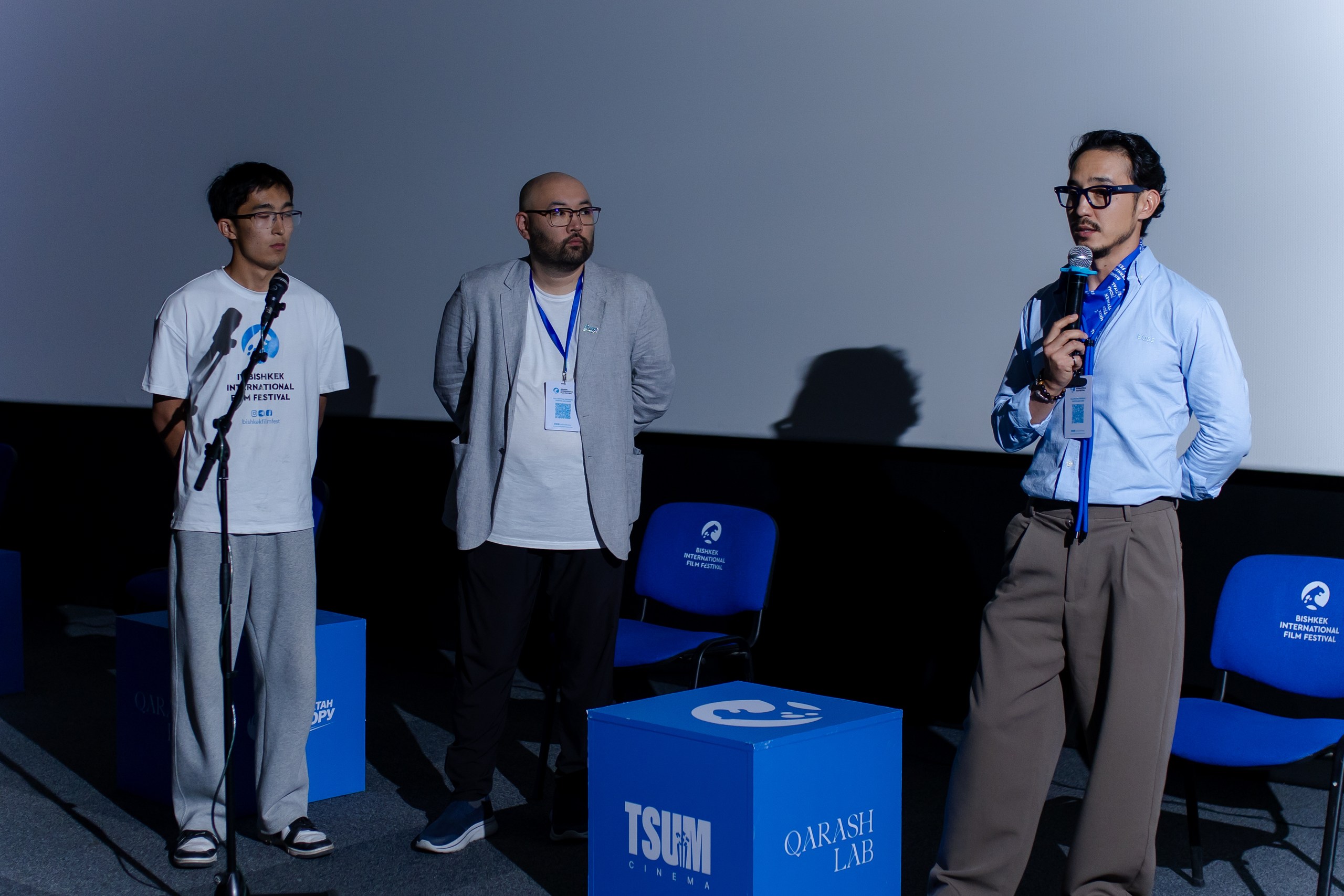
The role of film critics within this ecosystem is equally important. Critics are often perceived simply as reviewers whose task is to evaluate films after they have been completed. In reality, their contribution to festival culture is far more substantial.
Film criticism creates context. It situates films within broader artistic traditions, identifies emerging trends, and encourages audiences to engage with cinema on a deeper intellectual level. Within a festival environment, criticism helps transform screenings into conversations.
The presence of international critics at the Bishkek International Film Festival contributes significantly to the event’s credibility and visibility. Their engagement signals that the festival is not solely concerned with celebration but also with evaluation, reflection, and debate.
This role becomes particularly important for a relatively young festival seeking to establish itself internationally. Critical attention helps define the festival’s identity and communicate its significance to audiences beyond the region. Through articles, essays, reports, and discussions, critics contribute to the construction of a broader narrative around both the festival and the films it presents.
The involvement of FIPRESCI further strengthens this dimension. The International Federation of Film Critics is one of the most respected critical organizations in world cinema, and its presence provides international recognition that extends beyond the festival itself.
For filmmakers, a FIPRESCI award can bring visibility within international festival networks, attract the attention of programmers and distributors, and contribute to a film’s long-term cultural presence. For the festival, the presence of a FIPRESCI jury reinforces its status as a serious cinematic event committed to artistic evaluation rather than purely commercial considerations.
Yet the value of criticism extends beyond awards. Critics help create a record of the festival. They document films, identify themes, and preserve conversations that might otherwise disappear once the event concludes. In this sense, criticism contributes to the cultural memory of the festival itself.
The relationship between industry and criticism is therefore not accidental. One helps films reach audiences; the other helps audiences understand films. Together, they create a more complete cinematic ecosystem.
Looking ahead, the future of the Bishkek International Film Festival will likely depend on its ability to maintain this balance between exhibition, industry development, cultural exchange, and critical engagement. The foundations already exist. Through its competitions, industry platforms, educational initiatives, and international partnerships, the festival has established itself as one of the most dynamic emerging events in the region.
Its greatest achievement may be that it has moved beyond the traditional boundaries of a film festival. Films are not simply screened in Bishkek. They are developed, supported, debated, financed, contextualized, and connected to broader networks of circulation and discussion.
For Central Asian cinema, this may ultimately be the festival’s most significant contribution. It provides a space where regional filmmakers can engage with the international industry without losing sight of local identities and stories. In doing so, the Bishkek International Film Festival is helping shape not only the future of a festival, but the future of a regional cinema increasingly confident in its place on the world stage.
Israa Radaydeh
Edited by Yael Shuv
©FIPRESCI 2026