MedFest: Where Cinema Meets Healthcare
Born from FIPRESCI’s growing engagement with health and professional sustainability, the Federation’s first collaboration with MedFest Egypt brought film critics and healthcare professionals together for an unusual experiment in critical exchange. Elena Rubashevska reports from Cairo.
What happens when healthcare professionals are invited not only to discuss how medicine is represented on screen, but to become film critics themselves? And what might film critics, in turn, learn from professionals whose everyday work deals directly with physical and mental health?
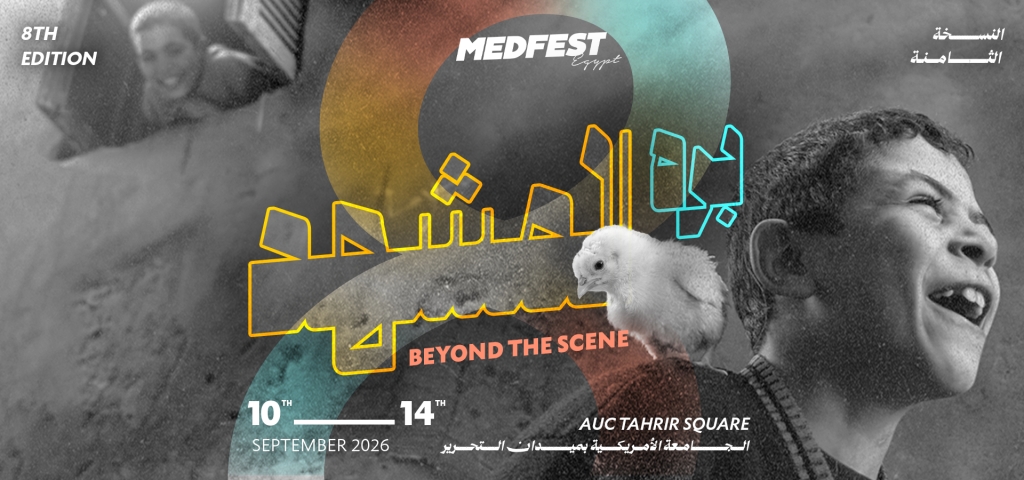
These questions were at the heart of FIPRESCI’s first collaboration with MedFest Egypt, whose eighth edition took place in Cairo from September 10–14, 2026.
The partnership did not, however, begin with the festival.
Over the past year, questions of health and professional sustainability have become an increasingly important part of internal discussions within FIPRESCI. These conversations led to the establishment of the Federation’s Health & Sustainability subgroup and to an internal survey examining the working realities of critics across different regions and stages of their careers.
The findings pointed towards a problem extending well beyond individual experiences. Critics repeatedly identified compressed festival deadlines, long working days, insufficient recovery time, irregular sleep and intensive travel as characteristic pressures of the profession. These were closely connected to another structural issue: financial precarity, particularly among freelance and hybrid workers, which can make refusing excessive workloads or establishing professional boundaries considerably more difficult.
At the same time, the survey revealed a strong commitment to criticism itself. Members expressed a desire to remain active in the profession in the long term, while defining professional sustainability through a combination of mental and physical health, financial stability, ethical working conditions and, importantly for critics, enough time for reflection and quality writing.
This was also a call for action rather than declarations. Among the approaches receiving the strongest support were practical guidelines, workshops, moderated discussions and small pilot initiatives at festivals.
It was within this context that the dialogue with MedFest Egypt began.
Built around the intersection of cinema and health, MedFest offered an unusual partner with whom these questions could be approached from another direction. Instead of beginning by discussing critics’ health among critics themselves, the first collaboration asked what might happen if the tools of film criticism were shared with healthcare professionals — creating an exchange between two fields that observe human experience from very different positions.
From Healthcare to Film Criticism
Over July and August, FIPRESCI organized a five-part online Film Criticism Workshop for Healthcare Professionals, introducing participants to different ways of watching, analysing and writing about cinema.
The program opened on July 28 with Ahmed Shawky, FIPRESCI President, and Foundations of Film Criticism. On August 3, Hossam Fahmi explored Medicine, Psychology & Human Experience in Cinema. Rasha Hosny followed on August 11 with Short Film Analysis Techniques, while Ramy Abd El Razek examined Documentary vs. Fiction in Storytelling on August 19. The online program concluded on August 24 with Elena Rubashevska, FIPRESCI Vice President and Editor-in-Chief, leading Writing Criticism for Different Audiences.
The aim was not to turn healthcare professionals into professional critics in five sessions. It was to establish a shared vocabulary.
Participants approached cinema with knowledge that critics do not necessarily possess: an understanding of bodies, illness, psychology, care, medical practice and professional ethics grounded in their own field. FIPRESCI mentors, in turn, introduced ways of examining cinematic form, narrative, image, context and authorship — and of transforming observation into critical argument.
That exchange made the workshop particularly valuable. Rather than treating medicine merely as another subject represented by cinema, it allowed different forms of professional knowledge to meet around the same films.
From Workshop to Festival
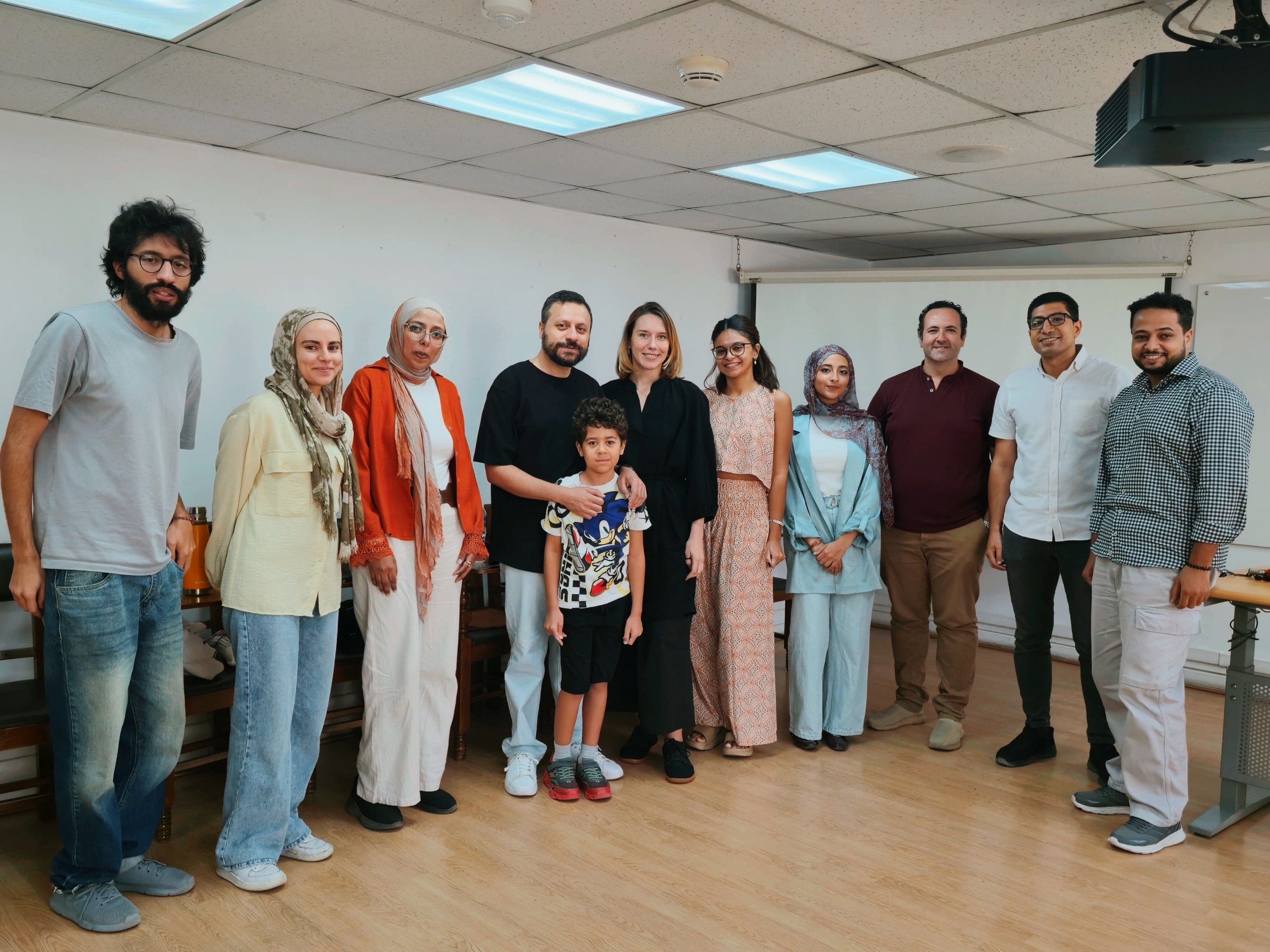
The experiment continued in Cairo during MedFest.
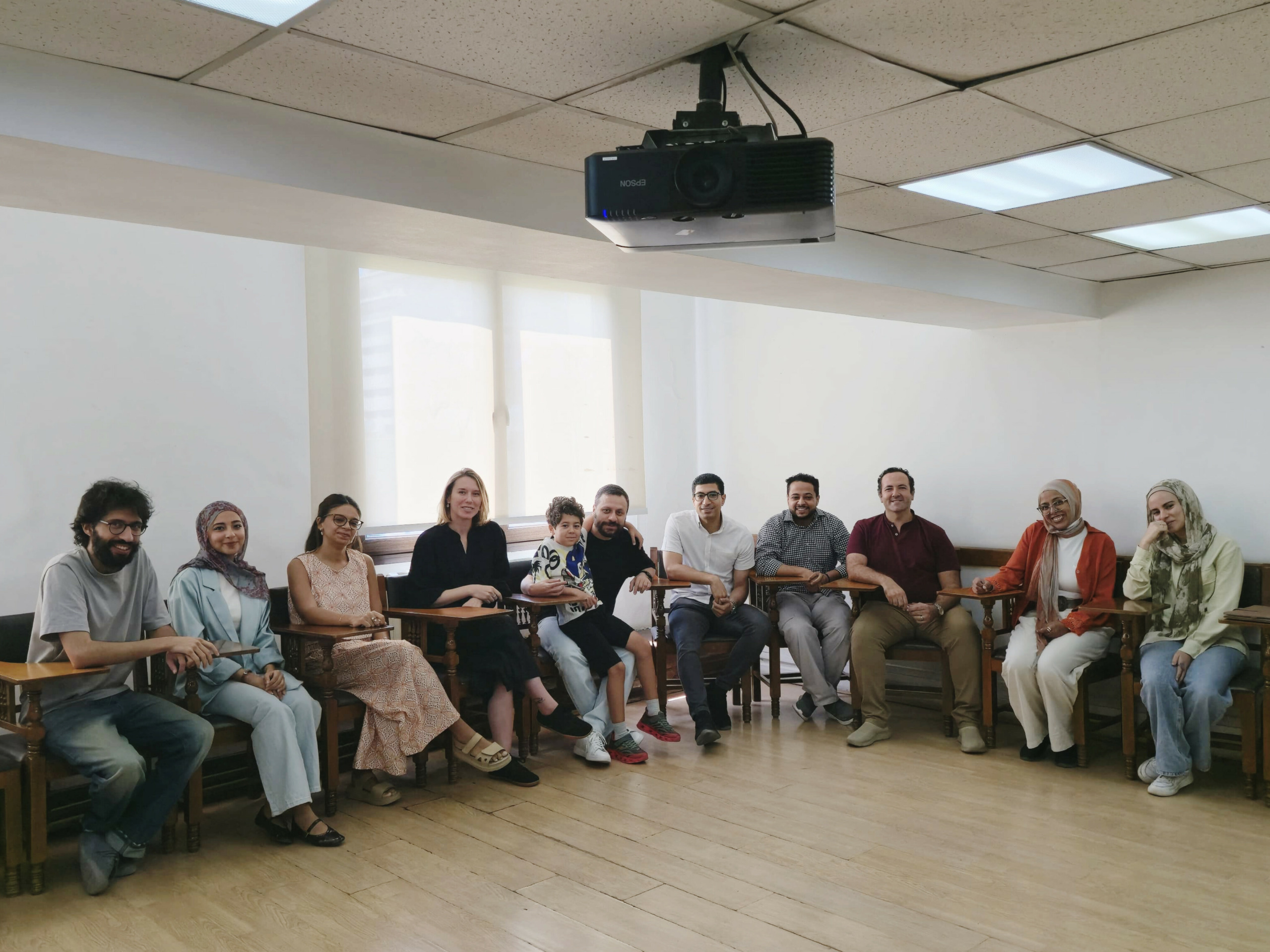
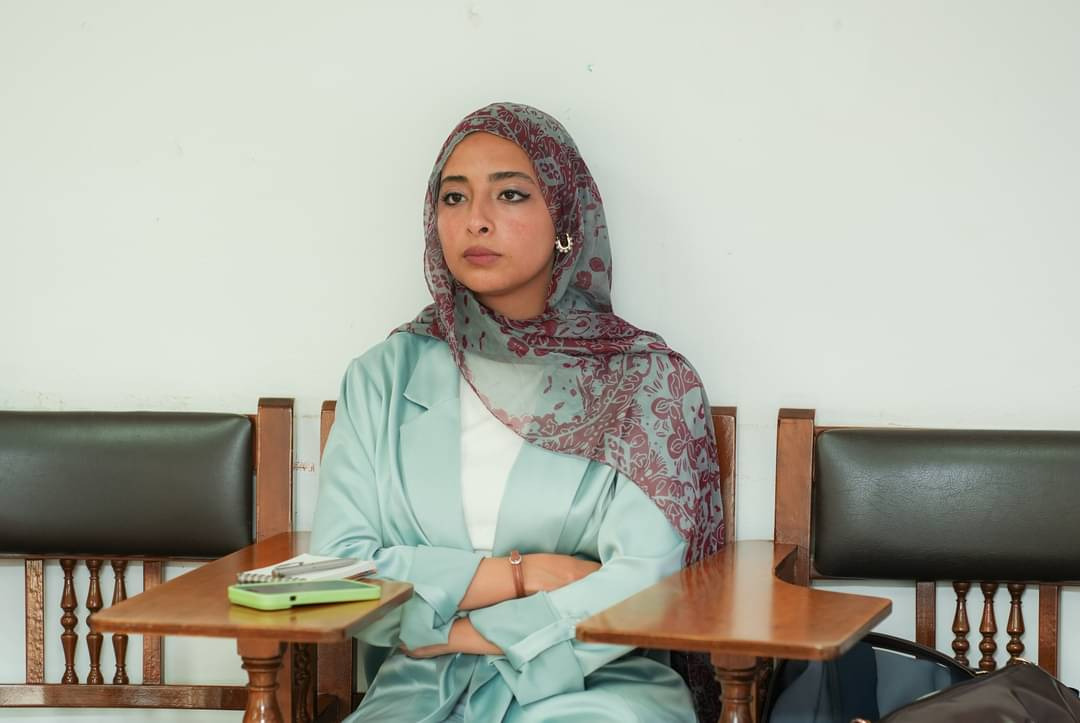
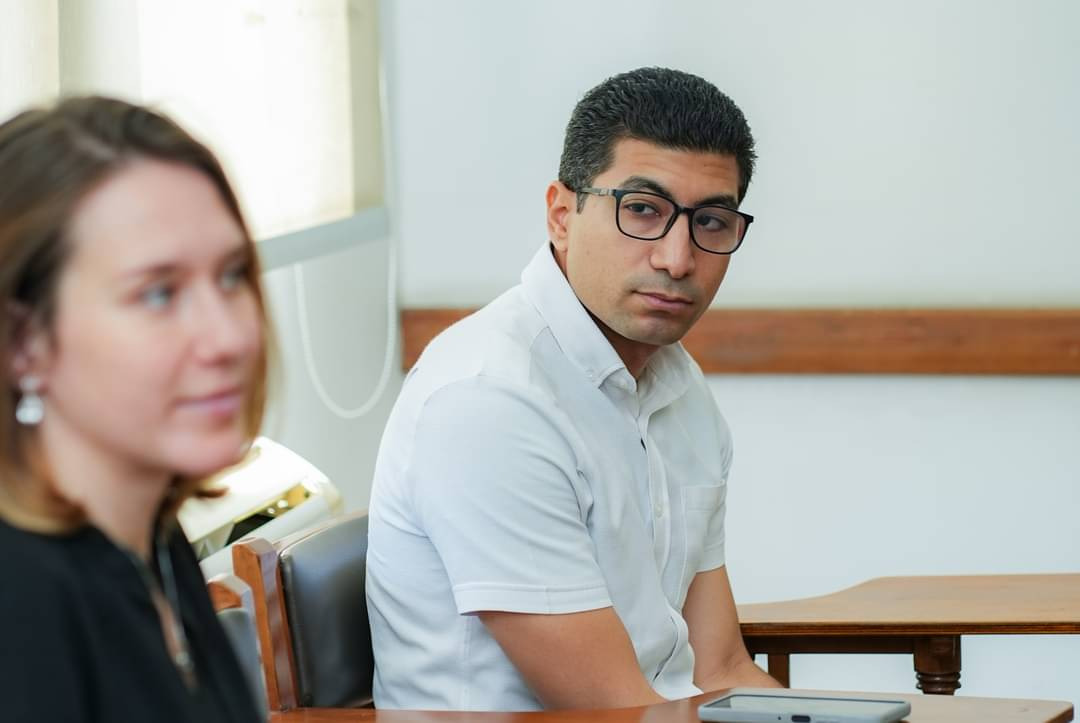
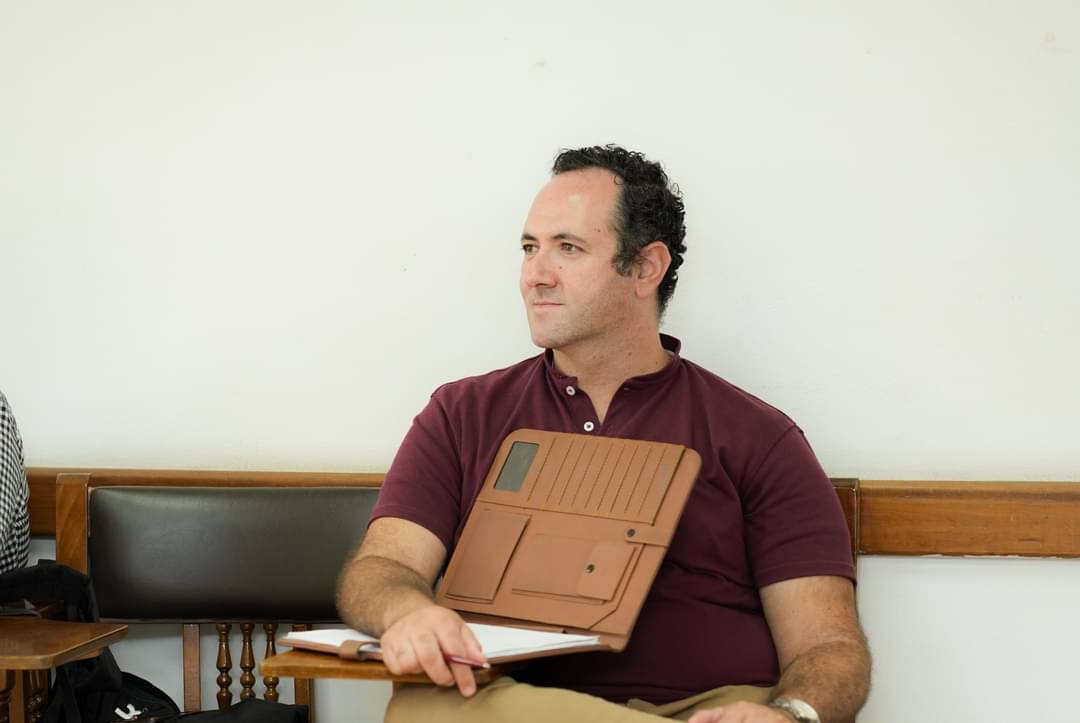
Seven of the most active participants were invited to take part in a final in-person session with Ahmed Shawky and Elena Rubashevska, moving from the structured environment of the workshop towards the practical experience of covering a film festival.
They attended screenings and discussions and subsequently produced their own critical texts, selected for publication on the Arabic-language cultural platform Kader.
This progression — from learning how criticism functions, through discussing films collectively, to writing and publishing independent texts — became one of the most tangible results of the collaboration.
It also fitted naturally into the strongest dimension of MedFest itself. While the festival combines an international short-film competition with a broader program, its educational activities proved particularly dynamic. Screenings were well attended, discussions followed the film programs, and workshops and masterclasses attracted an engaged, predominantly young local audience.
MedFest remains a relatively young festival, now developing its international profile alongside its local presence. Greater organizational structure, clearer communication and stronger infrastructure for international guests will inevitably become important as those ambitions expand. Yet its distinctive position between cinema, medicine and education creates possibilities that few conventional film festivals can offer.
A Conversation in Both Directions
For FIPRESCI, this first collaboration was therefore significant beyond the workshop itself.
The Federation is interested in continuing to explore possibilities with MedFest not only to bring film criticism to healthcare professionals, but also to reverse the direction of that exchange: bringing questions of health, working conditions and professional sustainability more seriously into conversations about contemporary film criticism.
FIPRESCI’s internal survey suggests that these questions cannot be reduced to individual wellbeing or “self-care.” Critics themselves connected health to the structures within which criticism is produced: deadlines, workload, travel, economic insecurity, professional expectations and the diminishing time available for thoughtful writing.
That opens a considerably wider field for future collaboration. Workshops can be complemented by discussions, research, publications and festival round tables addressing mental and physical health, sustainable working models, professional longevity and the conditions under which criticism can continue to function as serious cultural work.
The encounter between FIPRESCI and MedFest thus began with a simple exchange of expertise, but it points towards a broader question: what would a healthier and more sustainable culture of film criticism actually look like — and what can we learn by discussing it with people whose professional expertise begins precisely with health?
Elena Rubashevska
©FIPRESCI 2026
Photo gallery