
Toronto’s Discovery Section: Films by Female Directors Stands Out
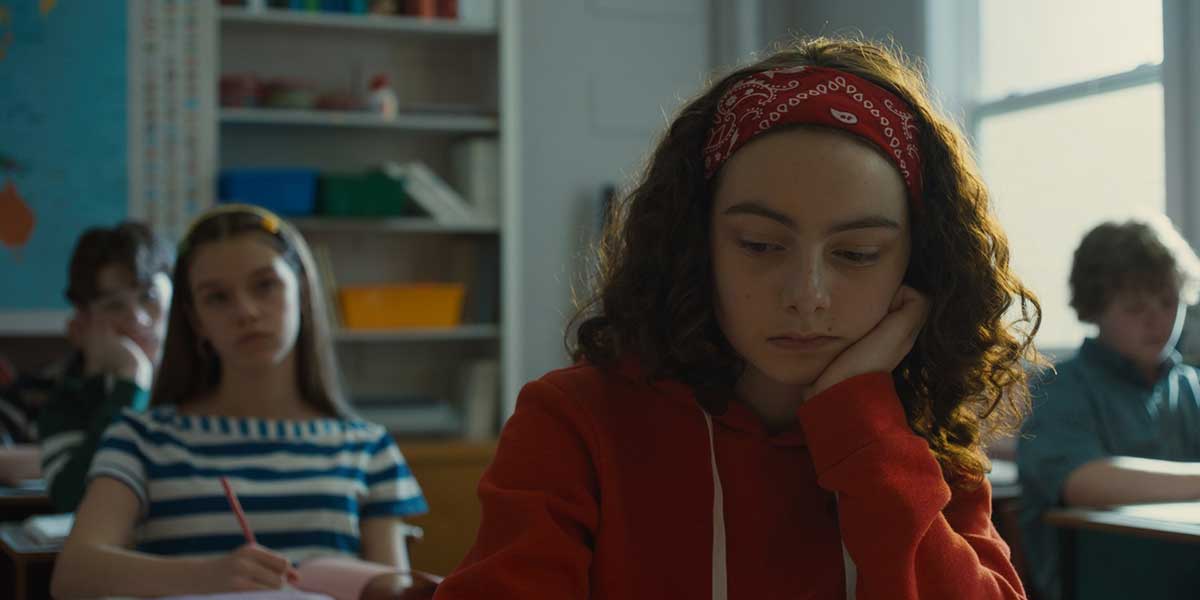
Critic Pragya Mishra writes about the Toronto festival’s Discovery section, finding particular interest in the films directed by women, which she argues are meaningful even if their subjects differ.
The Toronto International Film Festival’s Discovery section is a space for emerging voices, giving audiences the opportunity to meet filmmakers at the start of their feature-film journeys. This year, the experience was particularly rewarding. The festival screened 26 films in total, 14 of which were selected for consideration for the FIPRESCI Prize. The films came from different countries, cultures, and cinematic traditions, and they demonstrated an impressive range of styles, subjects, and approaches to storytelling.
The films were diverse, creative, and thought-provoking, making the experience both inspiring and enriching. But the most rewarding part for me was witnessing the work of first-time female directors. Their films were not simply creative filmmaking; they were personal, questioning, and often courageous works that explored gender, family, society, identity, and the pressures placed on women.
These films by female directors in particular stood out in the discovery section. Each filmmaker had something meaningful to say, but they approached their subjects in strikingly different ways.
Head to Head
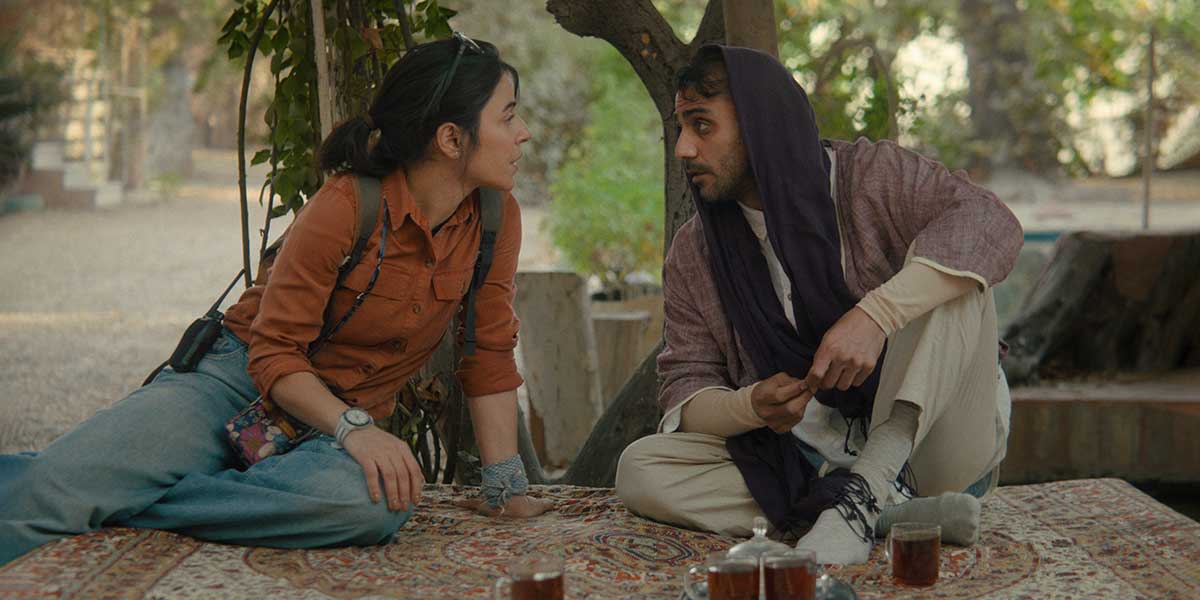
Iranian director Ghasideh Golmakani’s Head to Head is an absurd, sharply satirical, and wonderfully provocative debut feature. At its center is an unusual filmmaking experiment: a female director forces male actors to wear skirts and headscarves.
The film adopts a film-within-a-film structure, allowing the director to show how male filmmakers portray women while also questioning women’s place in Iranian society. The film’s approach is both humorous and unsettling because the situation’s absurdity exposes contradictions that might otherwise remain hidden.
Golmakani uses comedy as a tool of confrontation. Rather than delivering a straightforward political statement, she creates situations that allow the audience to recognize the absurdity for themselves. The reversal of traditional gender roles becomes increasingly revealing as the male actors experience, in a small way like wearing hijab even at night, the restrictions and expectations routinely imposed upon women.
One of the film’s strengths is how Golmakani balances humor with serious social questions. Her characters become part of a larger conversation about representation, power and the relationship between men and women.
At one point, Bahar tells an uncooperative actor, “I’m not torturing you. We’re recreating a perfectly normal situation with costumes used in our cinema.” The line captures the film’s central idea: what appears absurd when imposed on men can look entirely normal when society has imposed it on women for generations.
Head to Head is therefore more than a satire about filmmaking. It is a playful but pointed examination of who gets to control images, who gets represented on screen, and what happens when established cinematic conventions are turned upside down.
Purgatory
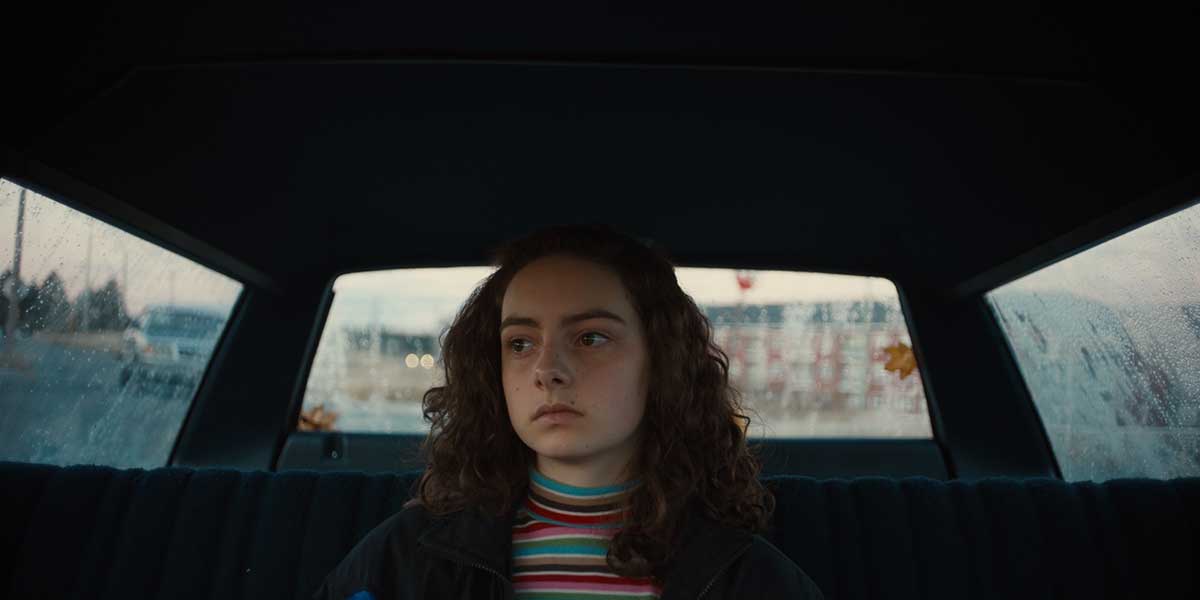
Lindsay Lanzillotta’s Purgatory moves into very different territory. Set in the 1980s, the film follows a family coming apart as the parents go through a divorce. At the center is a 13-year-old girl who finds comfort and a sense of refuge in the confession box with the priest.
What makes Purgatory particularly impressive is Lanzillotta’s genuine curiosity about adulthood, friendship and the confusing transition from childhood into adolescence. The film observes life through the eyes of a young girl trying to make sense of a world that suddenly feels unstable.
The film understands something fundamental about coming-of-age stories: they are not necessarily about one enormous event. Divorce, a new school year, or changes within a family may seem like the central events, but beneath them is a more important realization — that at times adults do not have all the answers.
For a child, this can be a frightening discovery. Parents are supposed to understand the world. Teachers are supposed to know what is right. Adults are supposed to provide certainty. When that certainty disappears, young people are forced to begin developing their own understanding of life.
That is where Purgatory finds its emotional strength. The film is interested in the small moments of confusion, friendship and observation that make adolescence so complicated.
Zjili: A Story of Sisterhood and the Burdens of Excess
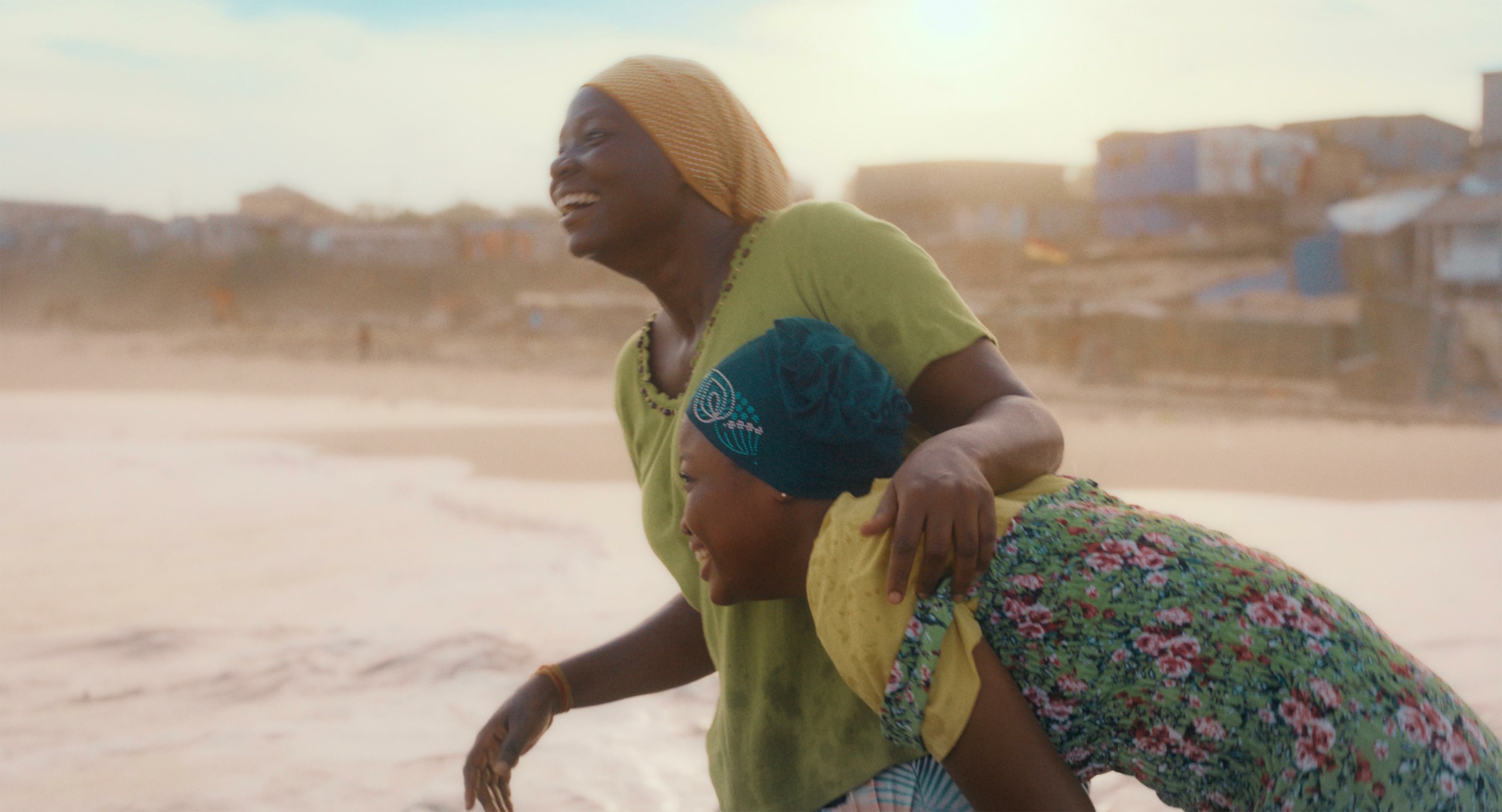
Zjili: A Story of Sisterhood and the Burdens of Excess is a gritty, grounded Ghanaian drama that explores the physical and emotional burdens placed on women. The film is directed by Christine Boateng and Hajara Musah Chambas.
The title itself is significant. The word “Zjili” refers to something heavy—a burden or a load—and that idea runs through the entire film.
The central character, Zoya, is a gifted student whose hopes for higher education are abruptly disrupted when her father dies. Her circumstances worsen when she is betrothed to a man twice her age.
With her mother’s blessing, Zoya escapes to Accra, hoping to create a different future for herself. Instead, she finds herself trapped in a difficult, physically demanding job as one of many female porters carrying heavy loads for paying customers.
The physical weight Zoya carries becomes a powerful metaphor for the emotional and social burdens she is forced to carry as well. Her ambitions, responsibilities, the expectations placed on her as a woman, and her family’s circumstances all become part of the weight she must bear.
What makes the film compelling is its grounded approach. It does not need to exaggerate Zoya’s circumstances because the reality of her situation is already powerful enough. The film examines how economic hardship, gender expectations, and limited opportunities can shape the choices available to young women.
At the same time, the film is also about sisterhood, resilience, and the desire for independence. Zoya’s journey becomes larger than her individual struggle, reflecting the experiences of women whose aspirations are constrained by circumstances beyond their control.
Krux
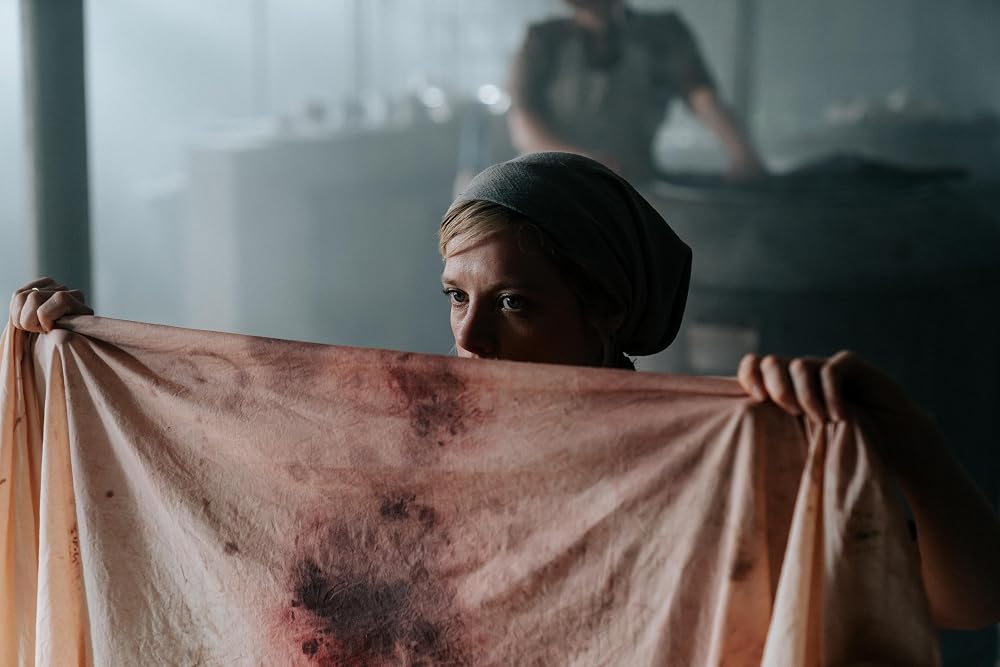
Tony Vahl’s Krux takes the audience into a much darker world. The film begins with an extraordinary image: a human heart being delivered in the middle of the night. What follows is disturbing and unexpected. A young woman is married off to a soldier who has died on the battlefield.
Set in the final period of the Second World War, around 1944–45, the film explores a society in East Germany where it becomes increasingly clear that Germany is losing the war. The approaching defeat hangs over the characters and their surroundings, creating an atmosphere of dread and inevitability.
What makes Krux particularly striking is the way Vahl uses the visual language of cinema to communicate the horror of a society collapsing around its people. Rather than relying entirely on dialogue or explicit explanation, the film lets the atmosphere speak.
The dread exists in the silences, the faces of the characters and the knowledge that the end is approaching. Death, war, duty, and social expectation become intertwined.
Vahl also demonstrates a strong visual sensibility. The film’s striking images create a sense of spectacle, but the spectacle is never simply decorative. It reinforces the feeling that the characters are trapped inside a historical moment from which there is no escape.
Krux is ultimately a film about the psychological and social consequences of defeat. It portrays people confronting an unavoidable reality while attempting to preserve some sense of order in a world that is rapidly losing it.
Taken together, these films demonstrate the extraordinary range that can exist within a section devoted to emerging filmmakers.
Head to Head uses absurdity and satire to challenge societal pressure on women and the restrictions. Purgatory turns inward, examining adolescence, family, and the loss of childhood certainty. Zjili explores gender, economic hardship, and the physical and emotional weight carried by women. Krux looks at war, death, and the collapse of a society approaching an unavoidable defeat. These filmmakers arrive with something to explore rather than simply something to demonstrate. Their films were unsettling, challenging, sometimes funny, sometimes intimate but visually overwhelming, and they all created space for the audience to think.
There is a particular energy in watching a filmmaker make their first statement on the world. There is experimentation, curiosity and sometimes even imperfection, but there is also a sense that we are witnessing the beginning of a cinematic voice.
At TIFF, watching these first-time female directors was especially inspiring. Their films demonstrated that there is no single way to tell a story about women, society, family, or identity. Each director approached her material from a distinct cultural and personal perspective. For me, that was the real pleasure of the experience: not simply deciding which film as a jury member I liked the most, but discovering filmmakers whose work made me want to keep an eye out for the directors and keep watching and keep thinking about their work.
Pragya Mishra
© FIPRESCI 2026