
Bolsonaro’s Brazil Is Still Alive, but Cinema Dares to Bury It
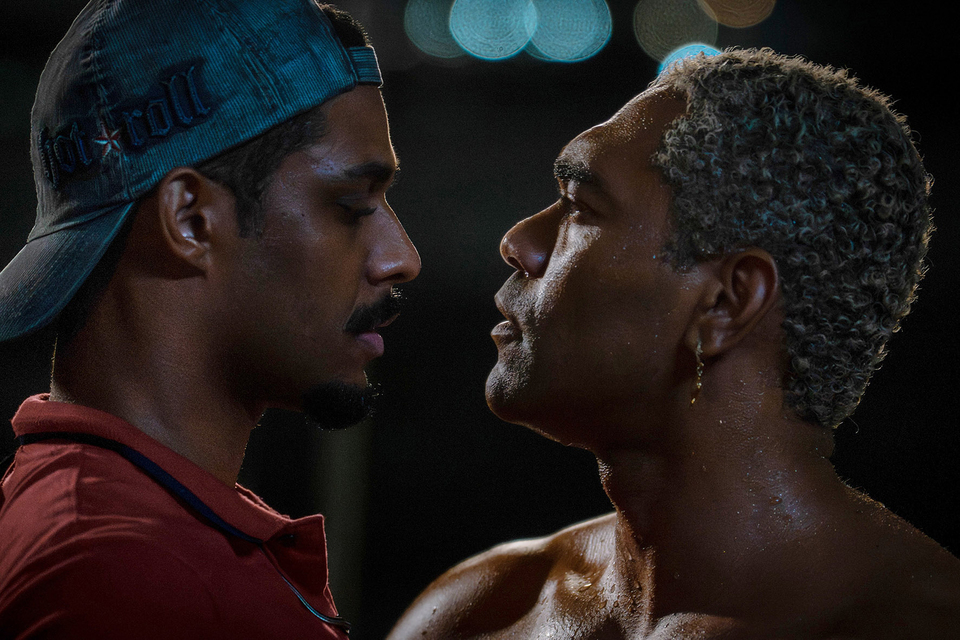
Films like ‘The Riverbank’ and ‘The French Teacher’ connected the 28th Rio Film Festival to political debates about Brazil’s future.
The 28th Rio de Janeiro Int’l Film Festival took place during a week of tension in Brazil. Three days after the opening ceremony, the presidential election put the far-right candidate Flávio Bolsonaro (the son of the former president Jair Bolsonaro), ahead in the vote count. In the days that followed, this suspense affected not only the public, worried about the contradictions of having a Bolsonaro return to power, but also the meaning of the films themselves.
Brazil has been telling stories about the rise of religious fanaticism as part of its most conservative expression for some time, as seen in Gabriel Mascaro’s Divine Love (2019) and Anita Rocha da Silveira’s Medusa (2021). This year, the Brazilian section of the Rio Festival added two new chapters to this dystopian trend.
Winner of the Official Jury’s Best Film award, The Riverbank (A Margem do Rio), directed by Enock Carvalho and Matheus Farias, tells the story of Izaquiel (Caique Copque), a young cleaning assistant who has secret sexual encounters in the mangroves of Recife, the iconic city featured in Kleber Mendonça Filho’s The Secret Agent (2025). After becoming involved with a mysterious fisherman (Ítalo Martins), always under the moonlight, his secret desire turns into fear when people begin to appear dead in the area.
It’s unclear whether Alain Guiraudie’s Stranger by the Lake (2011) was an inspiration, but Carvalho and Farias bring bold sex scenes in the woods to life, giving them a strong sense of identity, especially when the film flirts with haunting elements. But the story takes another direction when it introduces the figure of a “religious” man as a villain. After being transferred to work at an evangelical church, Izaquiel feels intimidated by the pastor (Robério Diógenes), a man whose eyes seem filled with violence.
With no shame in its approach to revenge and justice, the film confronts a Brazilian reality in which conservative forms of Christianity are growing stronger and continue to threaten the LGBTQ community in increasingly explicit ways. Bolsonaro, who was president from 2018 to 2022, openly said that gay people were “only tolerated” and that “minorities must bow to majorities.” This is the Brazil that The Riverbank faces directly, choosing to respond to it.
Despite its intimidating atmosphere, captured through unsettling cinematography and sound, the script seems content to follow the direction of its own “secret”. Its good ideas cannot fully support all the paths it points to, as the coincidences between events make some of its developments feel too obvious. Something different happens in The French Teacher (A Professora de Francês), by Ricardo Alves Junior.
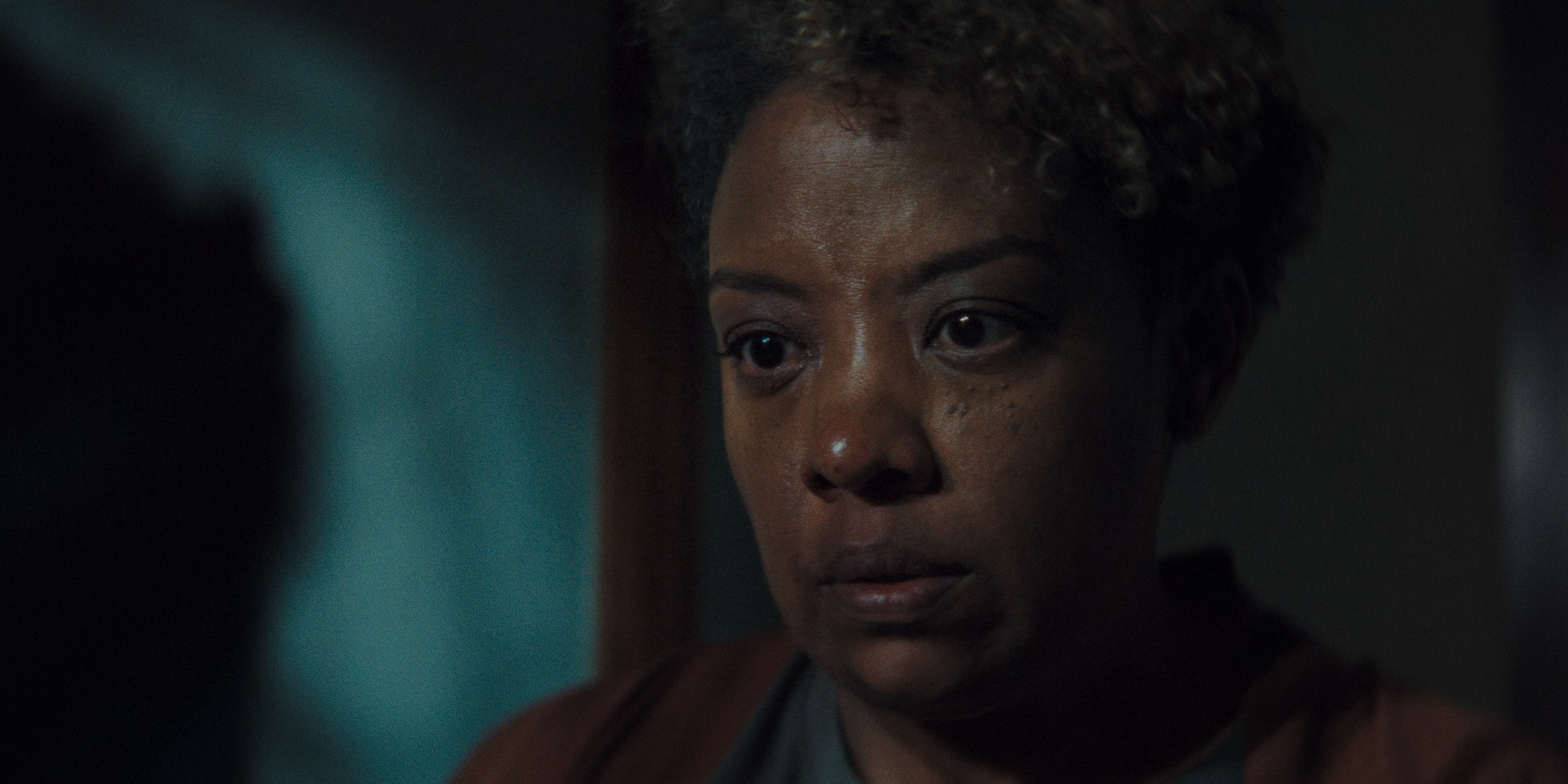
Starring Grace Passô, the acclaimed actress who made her feature directorial debut this year at the Berlinale with Our Secret (2026), the film presents a similar sense of threat. When Graça returns to live with her father (Rodger Rogério), she and her girlfriend gradually become frightened by the people around them, who seem kind, smiling, and loving, yet practice a religious ritual that becomes increasingly macabre as the couple gets closer to them.
Ricardo’s direction carefully controls how suspicion gradually turns into a horrible threat, and the soundtrack plays a central role in this transformation. But the real driving force behind this invention is Grace Passô. Her performance slowly moves toward the abyss, represented by the villagers, creating an unsettlingly precise portrait of a state of hypnosis. If she begins to face direct disrespect, even being called a “depraved lesbian,” why doesn’t she leave?
The French Teacher establishes a direct connection with Brazil’s political climate, exploring its society, beyond the narrow lens of the elections. The world often sees Brazilians as a joyful, welcoming, and diverse people. So how could this same country have elected Bolsonaro in 2018 and, now, in 2026, want him released from prison, and elect his son?
This extremist Brazil did not appear overnight. It was slowly shaped over the years, taking the most violent roots of religion. Suddenly, discussions about hunger, education, and workers’ rights gave way to a project based on guns, homophobia, and misogyny, all “backed” by a belief in God.
This country was already there, visible to everyone, while nobody paid enough attention to the reactionary wave that was coming. In Ricardo’s story, Graça takes a long time to accept that this is really happening and that she herself is being kidnapped. When she finally reacts, will it be in time? This is the question Brazil’s progressive population is asking itself today.
Regardless of what happens on October 25, when the country will finally choose its next president, the fact is that Bolsonaro’s Brazil is still alive. It is all around us, hidden behind smiling faces and becoming increasingly organized to attack those it considers minorities. At least in cinema, within the harmless fantasy of storytelling, this Brazil can be buried again and again.
Arthur Gadelha
Edited by Ela Bittencourt
© FIPRESCI 2026