
Busan 2026’s Vision–Asia: Unity in Shared Struggles, Questions About Diversity
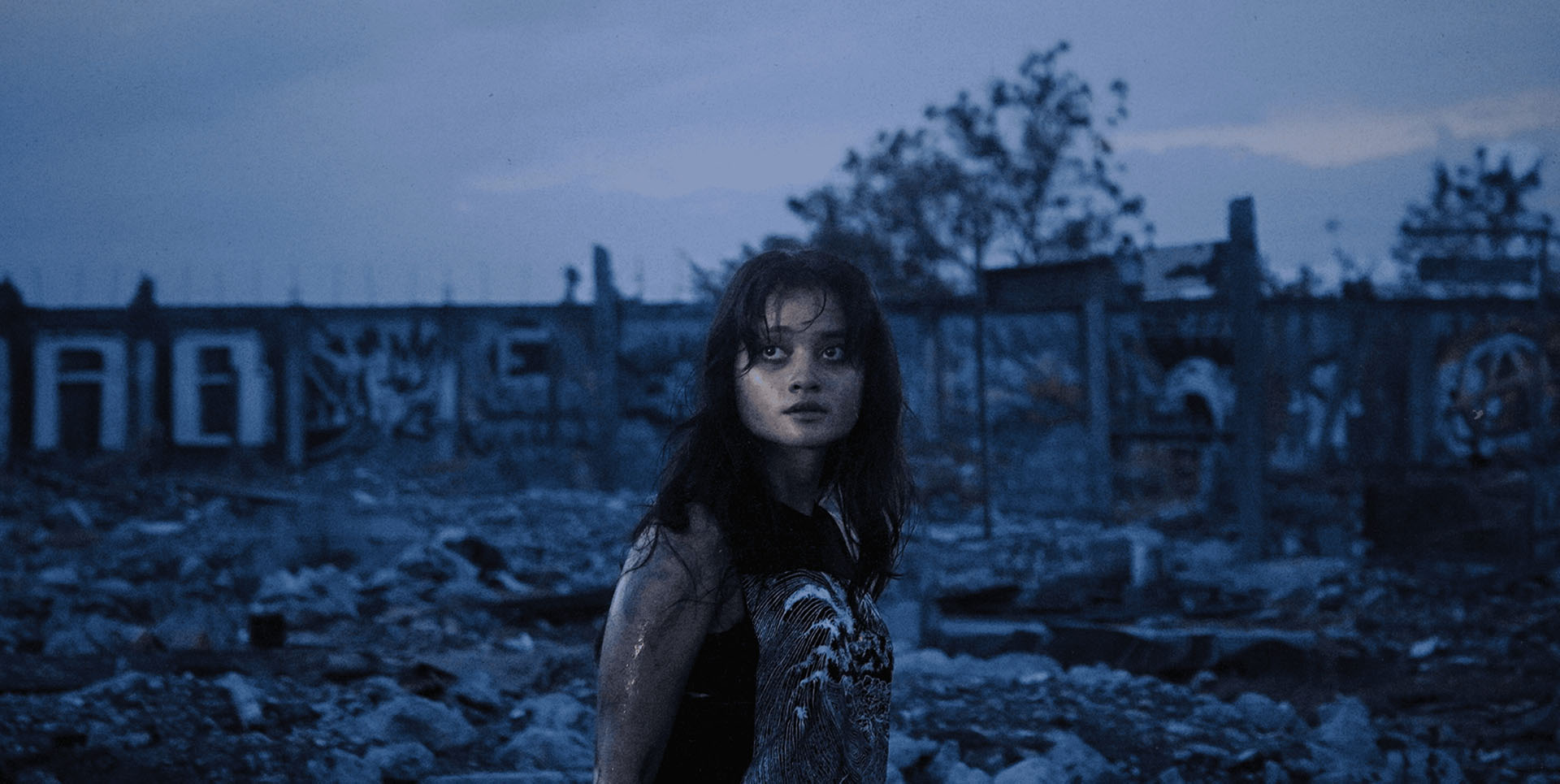
Critic Xingxu Ma looks across twelve films in the Asian selection at Busan and finds that family ties, struggles for survival, and the weight of history reveal both the common concerns and the distinct realities of contemporary Asian cinema.
As the Busan International Film Festival (BIFF) marked its thirtieth anniversary in 2025, it reorganized several of its longstanding sections. New Currents had traditionally focused on first and second features by emerging Asian filmmakers, while Jiseok presented work by more established directors. The new main Competition brought these strands together, allowing filmmakers at different stages of their careers to compete within one framework. Meanwhile, Korean Cinema Today – Vision, previously devoted to Korean independent filmmaking, was reconfigured as Vision–Korea and Vision–Asia, opening a broader platform for independent cinema across the region.
In its second year, Vision–Asia brought together twelve features spanning East, Southeast, South, Central, and West Asia. Such geographical breadth promises widely divergent perspectives, and the films certainly emerge from distinct social and historical settings. Yet viewed together, they return with striking regularity to troubled families, precarious lives, and individuals struggling against the circumstances that shape them. Their thematic coherence gives the selection an identity, while raising a question that runs through it: How much room does this panorama leave for other kinds of experience?
- Family, Intimacy, and Personal Relationships
Family relationships dominate a substantial part of the selection, less as sources of security than as bonds from which characters wish to free themselves but cannot entirely escape. Adolescence becomes a period of disorientation, while parental protection repeatedly approaches control.
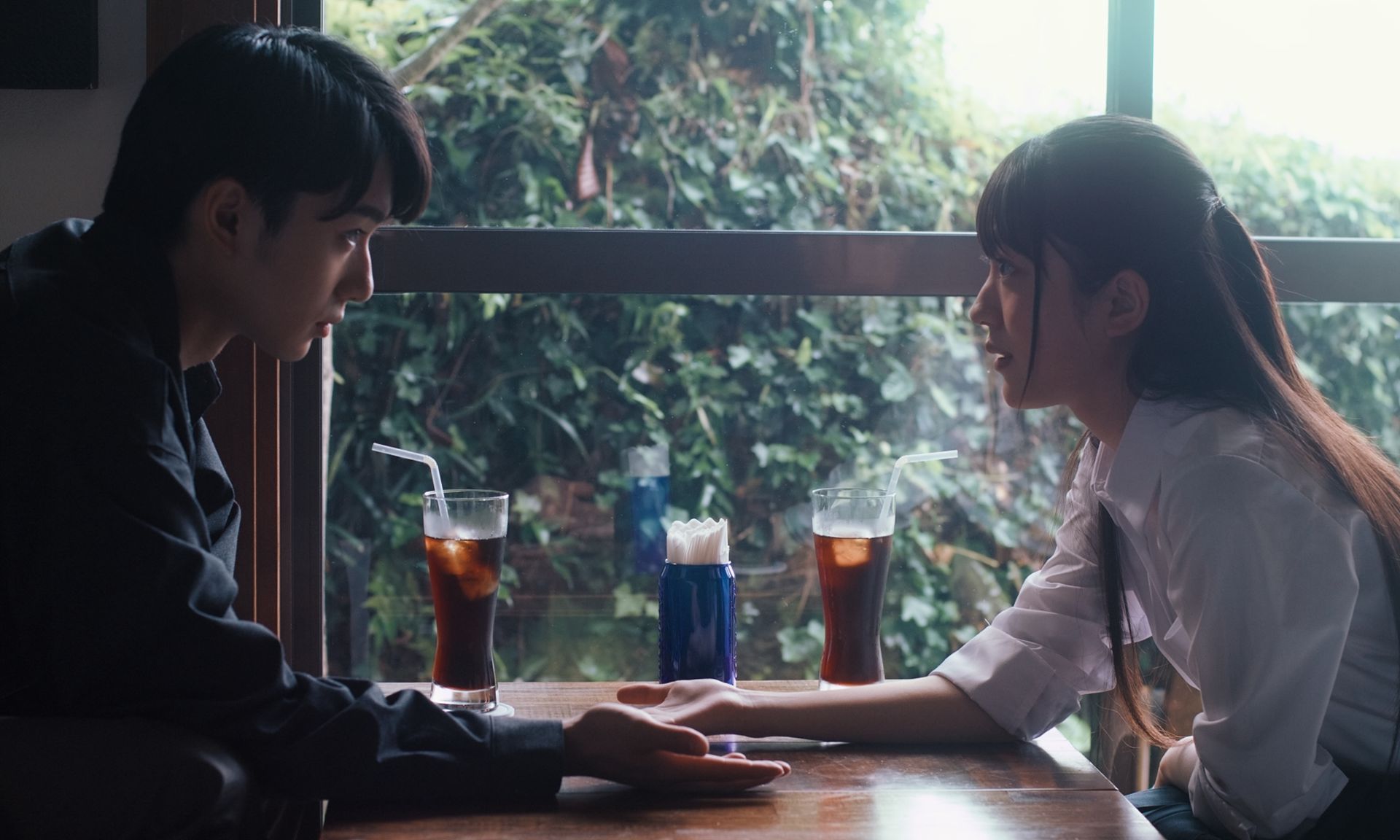
Two Japanese films explore this unease from the perspective of young boys. In Ryohei Kumamoto’s After the Song (はじまりのさよなら), a mother’s protective lie gradually becomes an obstacle to her son’s independence. The boy’s journey beyond the world she has constructed is therefore also an attempt to understand the love that confined him. In Takenoshin Yaza’s Hinotama: Ball of Fire (火の玉を見た), parental separation produces a different response: A boy immerses himself in the search for a mysterious fireball rather than face tensions at home, leaving his younger brother to bear much of their emotional weight. One story turns departure into a path towards understanding; the other reveals how escape can become a refusal to confront responsibility.
Darkhan Tulegenov’s Kazakh film The Cord (Кіндік) gives this attachment a more unsettling form. A mother’s determination to protect her son after he becomes involved in a criminal case exposes an emotional dependence in which care, possession, and control are difficult to distinguish. The unequal power of the families implicated in the case adds a social dimension to this intimate conflict: Parental devotion is not exercised in a world of equal choices.
The same impulse to seek release extends beyond relationships between parents and children. In Iranian director Mani Moghaddam’s Slumber (خواب), a man frustrated by his marriage and unfulfilled longing for a child retreats into dreams, where desire appears to offer alternatives unavailable in waking life. Jianying (Story) Chen’s Chinese film There Will Be Snow (有一场雪) constructs a futuristic world of technology and frozen cities, yet remains, at heart, concerned with love, memory, and emotional attachment. Even these departures from domestic realism circle back to the private realm.
The films differ in tone, setting, and narrative form, and not every parental act is simply oppressive. Still, their recurring starting point is telling: Intimacy appears first as an absence, a wound, or a constraint; growing up frequently means learning to live with—or move beyond—that damage. Such consistency may reflect an urgent shared concern, but it also suggests a certain narrowness of imagination. How often must family be a source of trauma before the pattern itself becomes familiar?
- Survival, Community, and Social Power
Beyond intimate relationships, another cluster of films asks how people survive within social arrangements that offer them little security. Their responses differ sharply: resistance, endurance, and escape.
In Arvin Belarmino’s Philippine film Ria (Ria), a punk community threatened with forced eviction confronts the loss of its home through collective anger and action. The struggle is not simply for physical territory. To defend a place is also to defend the relationships, music, and shared identity that make a community possible. The film’s force comes from the refusal to separate the right to survive from the right to live together.
Sailesh Rathnakumar’s Indian film Selvi (செல்வி) observes a quieter struggle. Its female care workers form a small community through friendship, shared work, and the hope of better prospects. But their solidarity cannot relieve the exhausting demands of a labor system that consumes their time and bodies. As Selvi takes on longer shifts, earning a living steadily erodes her ability to live on her own terms. Where Ria channels precarity into visible confrontation, Selvi records its slow, almost ordinary accumulation. One is propelled by anger; the other by endurance and a future that still seems worth hoping for.

Isabella Lam Lok-hin’s Hong Kong film Dead End (被殺的那天) proposes a third reaction: departure. A mysterious death and the secrets it exposes trap its protagonist in a past he cannot resolve. Read against the anxieties of contemporary Hong Kong, the crime narrative suggests a society in which mistrust and estrangement have weakened the reassurance once offered by familiar people and places. The impulse to leave becomes both a personal response to trauma and a possible expression of a wider social mood.
Resistance, endurance, and escape are not choices available equally to everyone, nor do they form a hierarchy of bravery. Ria, Selvi, and Dead End instead reveal how social circumstances condition the very possibility of acting. Community can mobilize people, as in Ria; it can sustain them without changing their working conditions, as in Selvi; or it can feel so fractured that leaving seems the only imaginable response, as in Dead End. Survival is thus a question not only of material resources, but of solidarity, trust, and the freedom to envisage a future.
- Individual Lives amid History and Social Change
The social and historical worlds of these films are not interchangeable backgrounds. They shape what their characters can want, do and become. In several works, large structures of power enter the story through apparently private experiences.
Set amid the upheavals of 1970s Thailand, Bua (บัว), by Inthira Charoenpura and Phensiri Klangsurin, locates a girl’s coming of age within histories of discrimination and political unrest. Rather than treating history as a succession of public events, it shows how unequal power is exerted upon a young woman’s body and prospects. In Shashank Walia’s Indian film Birds in the Dark (ਹਨੇਰੇ ਦੇ ਪੰਛੀ), caste, class, and religious identity intersect with queer desire and agricultural workers’ struggles. The personal and the political cannot be neatly separated: Historical hierarchies persist in present-day intimacies, but so do possibilities for solidarity.
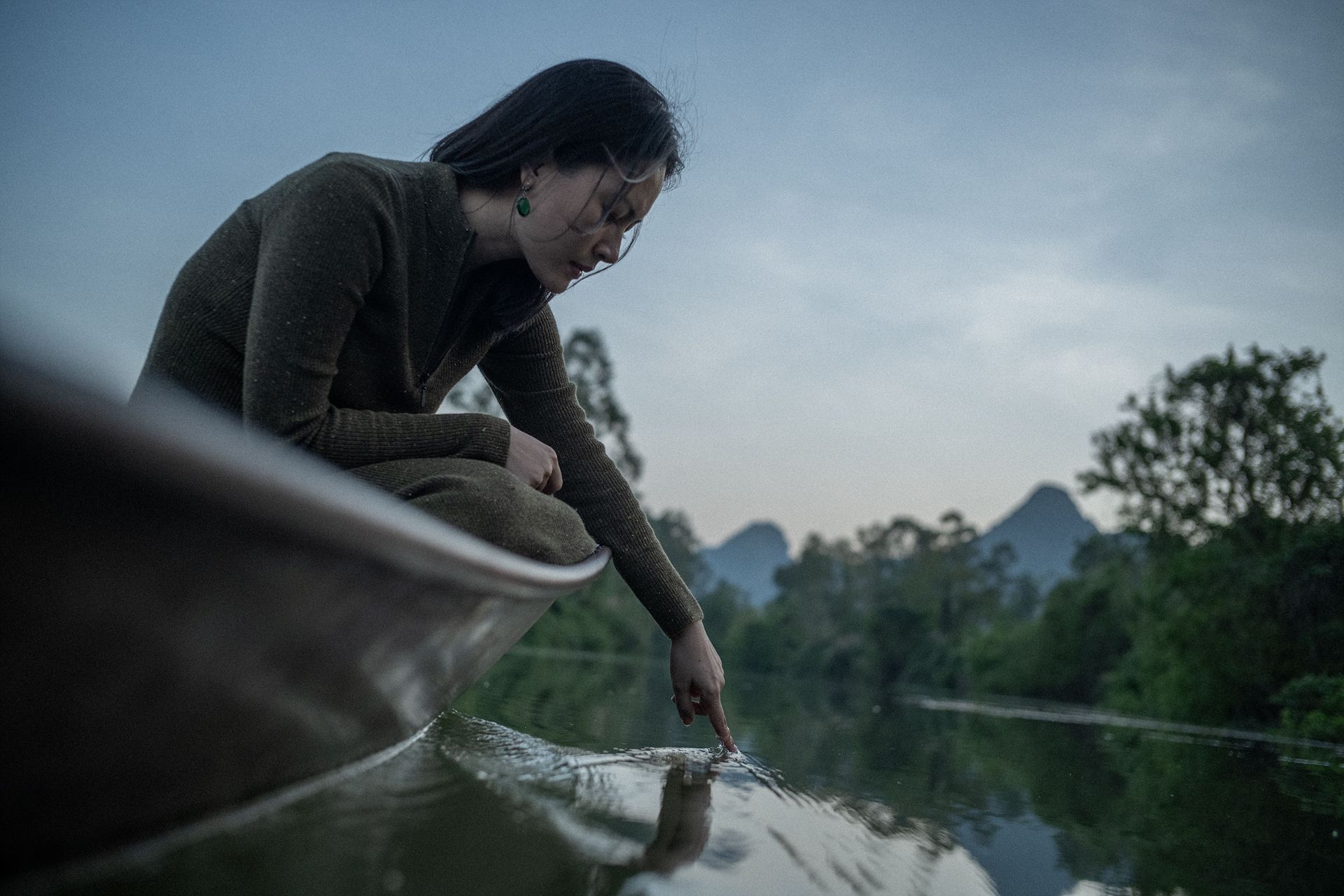
Nguyễn Hoàng Điệp’s Vietnamese film 1982 examines a different tension between individual life and social change. While the country’s film industry gains momentum and international visibility, a female filmmaker has been unable to complete a new feature for years, caught between creative frustration and family obligations. The contrast asks whether an industry’s success necessarily translates into freedom for the artists who work within it. Its self-reflexive perspective also makes 1982 a particularly pertinent film within a program committed to independent filmmaking.
The FIPRESCI Award winner, Sakhya Byamba’s Mongolian film Zogsool (Зогсоол), offers perhaps the most incisive treatment of this relationship between individual lives and social structures. Set during the early days of the COVID-19 pandemic, it turns a remote settlement on the steppe, and particularly its gas station, into a miniature society. Local officials, the station’s owner, workers, and a stranded truck driver occupy unequal positions in a web of obligations, interests and petty authority. The characters’ interactions expose how power is exercised and how those with less of it must accommodate the demands of others.
Crucially, the pandemic does not invent these inequalities. Lockdowns, quarantine rules, and the restriction of information magnify relationships already in place, giving some characters greater authority while depriving others of the ability to make even ordinary decisions. An emergency that ostensibly affects everyone does not affect everyone alike. The social microcosm allows the film to expose these differences without turning its characters into mere symbols of classes or institutions.
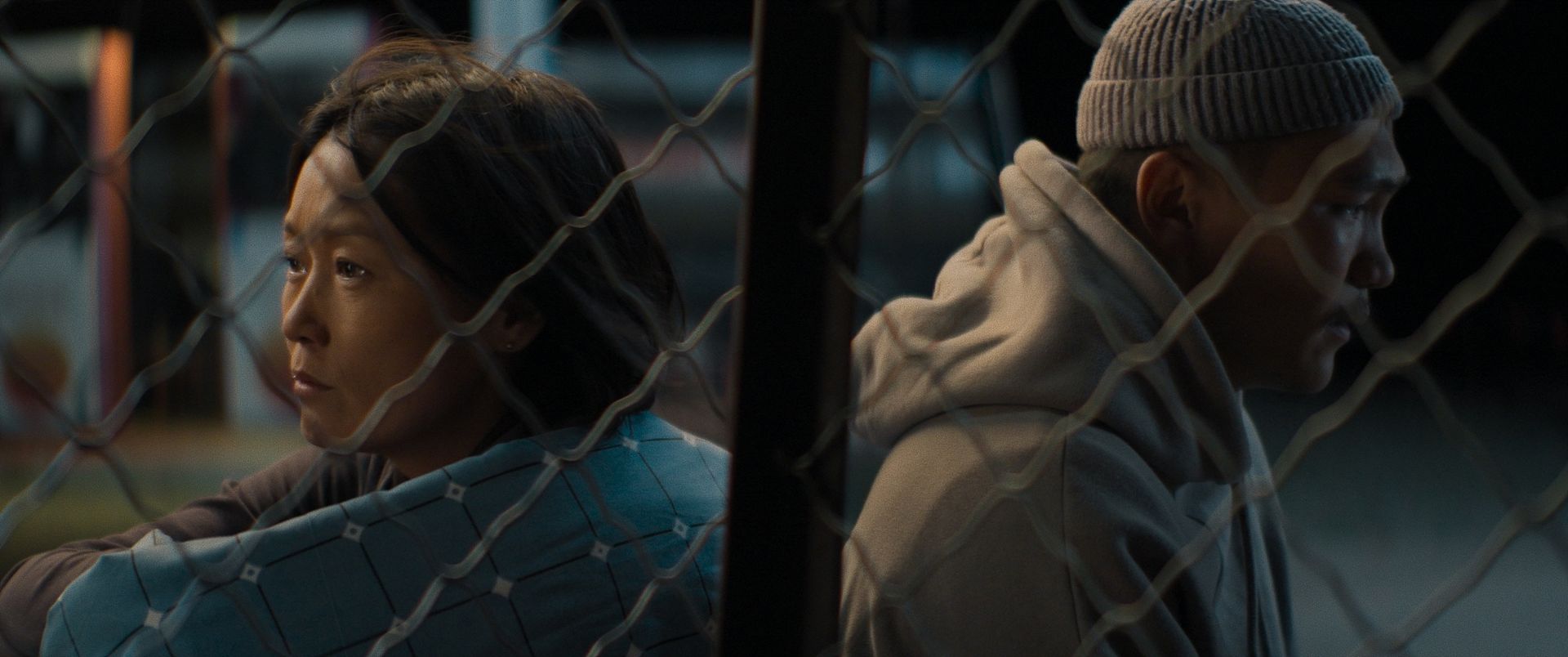
The setting sharpens the irony. A gas station normally enables movement: Vehicles arrive, refuel, and continue elsewhere. Here it becomes a site of enforced immobility. The openness of the Mongolian grassland makes the confined lives of those trapped within it seem all the more absurd. Freedom appears physically close, almost limitless, yet arbitrary rules render it inaccessible. Spatial contrast is therefore not simply an attractive visual device; it is central to the film’s account of power.
Just as importantly, Zogsool makes room for appetites, attachments and private desires that no public emergency can entirely suspend. People are hypocritical, self-interested, frightened, flirtatious, or unexpectedly tender. Their behavior can be ridiculous without becoming unbelievable. Byamba does not merely stage a political allegory in which officials oppress and ordinary people suffer. Through restrained, often darkly funny interactions, he allows the absurdity of a social order to emerge from the ways individuals negotiate it.
The result is a satire that remains attentive to the people caught in its machinery. Humor exposes the arbitrariness of authority, but the possibility of intimacy and self-directed action prevents the film from being defined solely by victimhood. The characters retain desires that exceed the roles imposed upon them.
Although rooted in Mongolia’s pandemic experience, the film’s observations travel remarkably well. Viewers elsewhere may recognize the panic produced by uncertain information, the uneven burdens of restrictions, or the opportunism that can flourish during a collective crisis. That resonance does not imply that the pandemic unfolded identically across countries. Rather, Zogsool discovers within one particular historical situation something recognizable about the relationship between fear, power, and human behavior. Through the absurdity of a small place, it illuminates a much larger world.
Conclusion: Between Coherence and Diversity
The twelve films do not constitute a single Asian experience. Similar struggles arise from different histories and social structures; a family bond, a precarious job or a desire to escape means something different in each setting. Their approaches also vary, from intimate drama and psychological suspense to speculative fiction and social satire.
Yet the selection returns insistently to wounded relationships, marginalized lives, and individual freedom under pressure. Its coherence makes these concerns visible across borders, but it also raises doubts about the range of experience represented. Queer perspectives, for instance, remain relatively limited despite their significant place in Birds in the Dark. The point is not to diminish the films’ subjects or impose a quota of themes, but to ask what remains outside the frame when familiar forms of suffering and struggle recur so often.
For a section dedicated to the breadth of Asian independent cinema, geographical representation is only one measure of diversity. The more demanding task may be to accommodate a wider variety of lives, desires and cinematic imaginations—even those that sit uneasily beside the stories festivals already know how to recognize.
Xingxu Ma
© FIPRESCI 2026