
We're a Happy Family (Me, Mom and Daddy)
Italian film critic Andrea Bosco examines the disintegration and reinvention of family ties across the competition at the Lecce European Film Festival, exploring broken homes, lost roots and unexpected bonds.
We still carry with us Leo Tolstoy’s well-known observation on the uniqueness of every unhappy household.
The competition line-up at the Lecce European Film Festival seems to suggest an even bleaker, more delicate and seemingly irrecoverable scenario: the family, long regarded as a cornerstone institution and the linchpin of civil society, has seen its centrality, cohesion and structure steadily erode to the point of disintegration.
In the homegrown entry The Summer That Ended Twice (L’estate che finì due volte), it barely survives on a thin threshold between reality and imagination, childhood and growth, life and death, between the liminal dimension in which the protagonist’s deceased mother appears to be trapped and the desolate, savage land of those who remain.
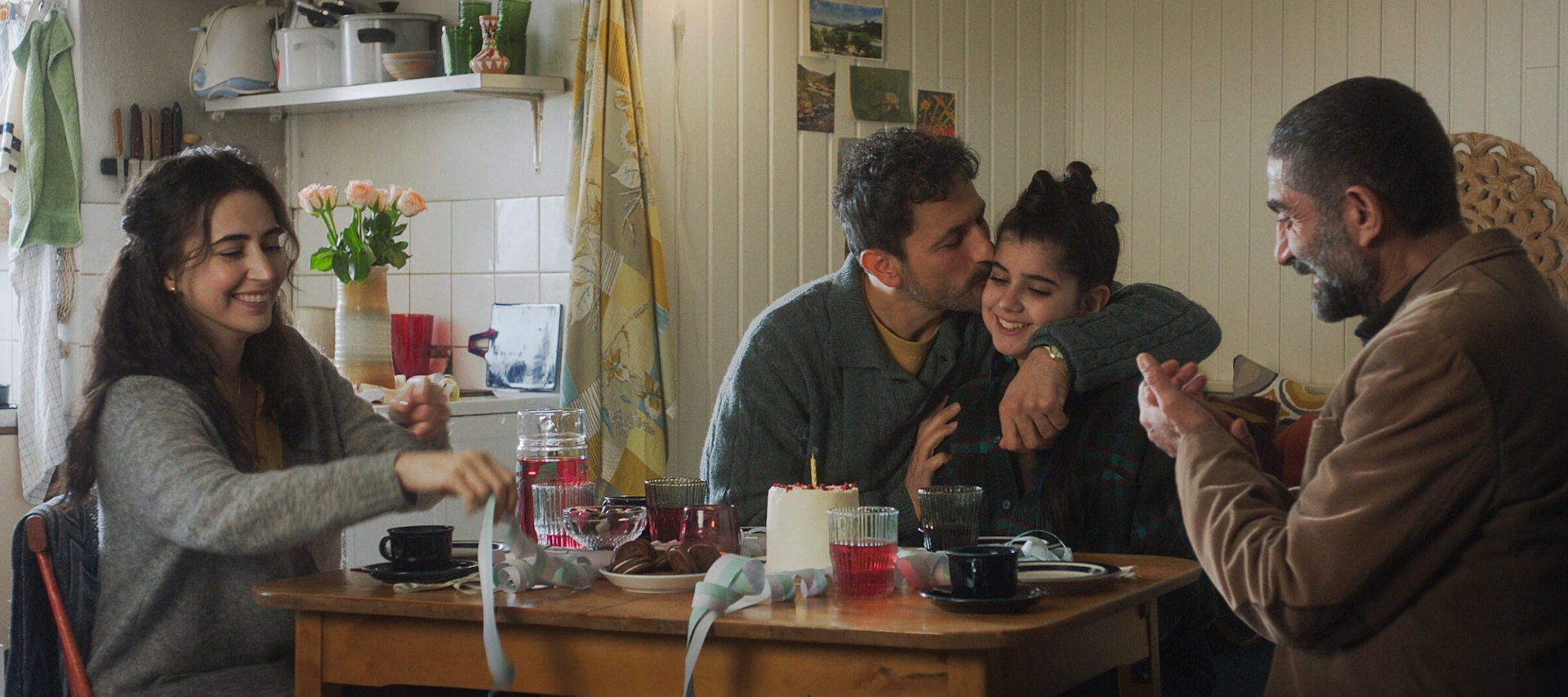
It is uprooted from its own land in the gloomy Earth Song (Maan laulu): although a Finnish production, the movie delves into the psychology of a woman reckoning with her roots buried deep in the abyss of the Kurdish genocide, caught between a daughter emotionally detached to the point of cruelty and a loving father hiding more than one secret; a similar displacement occurs, even more tangibly, in the Kosovar Shame and Money, almost a present-day take on Giovanni Verga’s I Malavoglia, with its small clan of farmers forced to leave their ancestral countryside behind in search of survival and dignity in a hostile urban setting, hurling the pater familias into a spiral of alienation and humiliation.
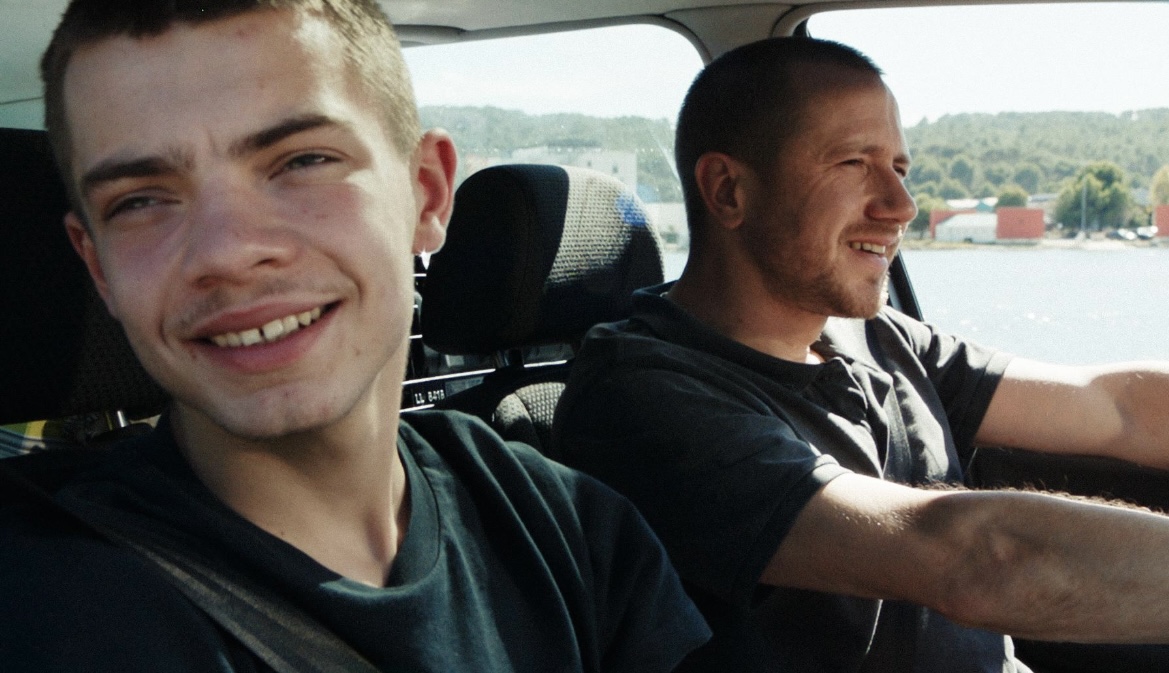
On a related note, the French The Blow (La Frappe)—our jury’s proud pick—and the Slovenian The Lost Son (Izgubljeni sin) curiously look like twin films, tied together by the same premise, namely a sudden family reconnection that disrupts the fragile balance of young men: in the former, the long-sought serenity and stability of two siblings are compromised as they are thrust back into immaturity by the reappearance of their estranged father, who brings to the surface a terrible past of abuse and incest; in the latter, a respectable police investigator gives in to his darker, irresponsible side after reuniting with his troubled younger brother, who is bound to repeat an ingrained cycle of intergenerational violence and to inflict it on his loved ones.
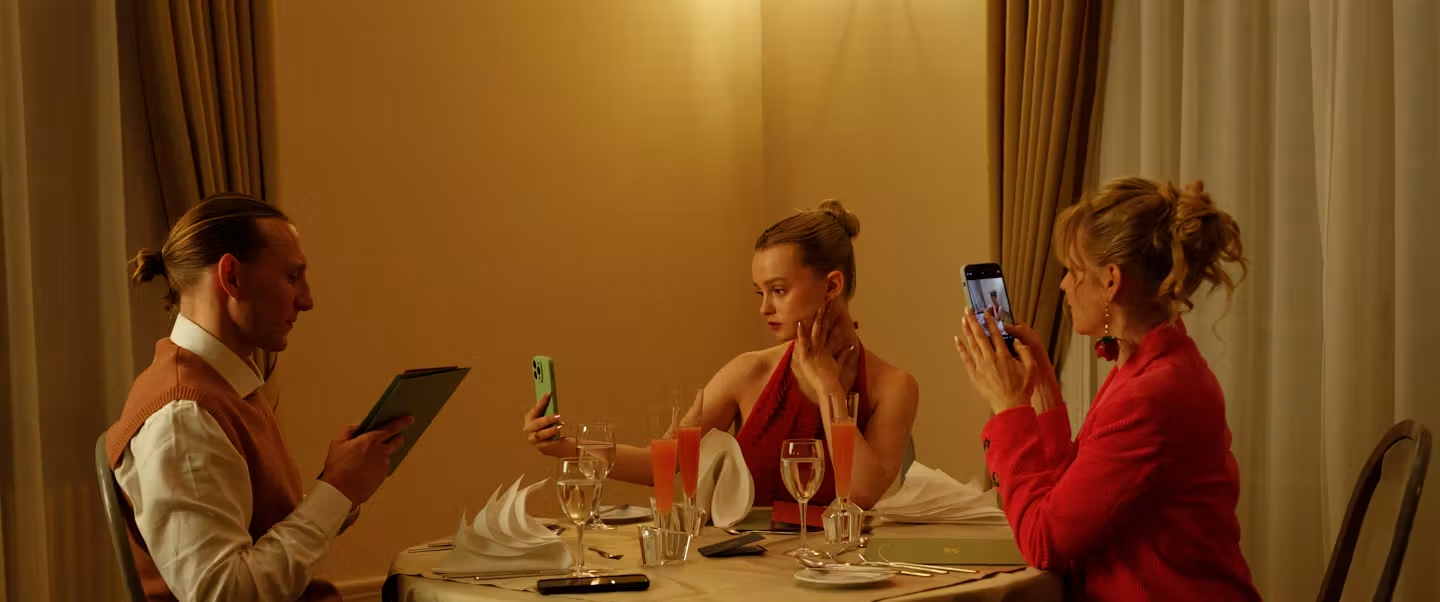
Family is a fully fledged nightmare in the German Babystar, a Lanthimosian family portrait of glitz and ostentation that would have been considered dystopian ten years ago, featuring a brainless husband-and-wife vlogging duo and their cherished teenage daughter—their very own “Truman”—who struggles to leave the gilded cage of performative existence she has always been living in; instead, it becomes a remote, unattainable dream to aspire to for the title character of the Portuguese The Boatman (O barqueiro), a distant Mediterranean cousin of Nicolas Winding Refn’s antiheroes, who is released on parole after many years in prison and is pulled into a demimonde of modern exploitation, poverty, crime and constant risk, driven solely by the desire to give his now grown-up little girl the piano she needs to become an accomplished musician.
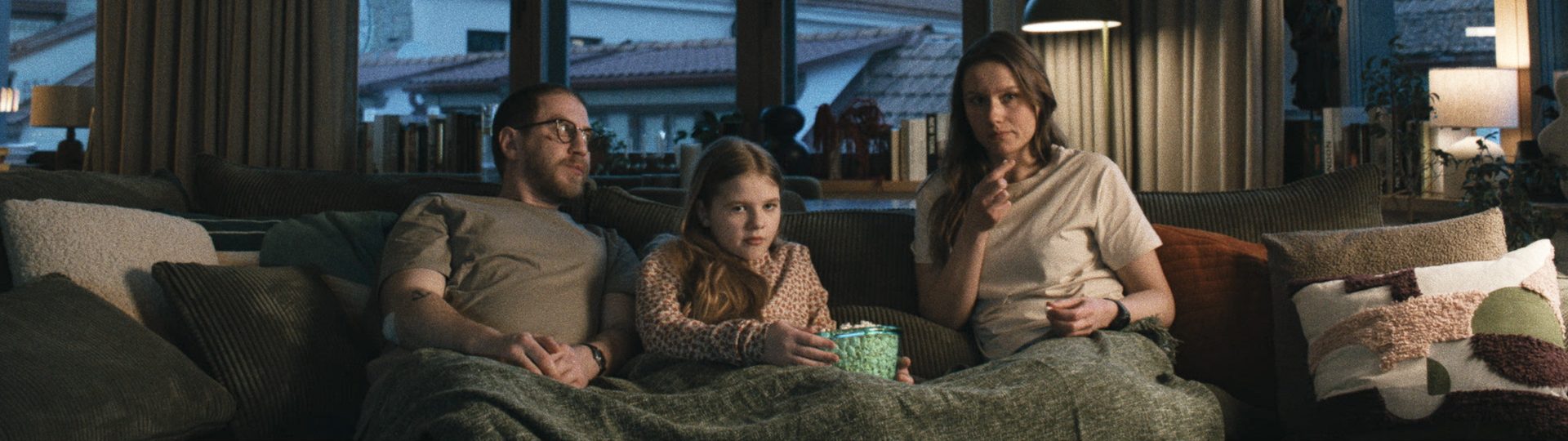
And of course it is utterly shaken to its core by the most devastating upheaval in 21st-century Europe, the Russian invasion of Ukraine, which is the backdrop of two of the most warmly received contenders: the Lithuanian How to Divorce During the War (Skyrybos karo metu) not only shows how the geopolitical crisis affects a neighbouring country and how it upsets and destroys domestic and professional relationships, but tragicomically turns the couple’s breakup into a mirror of the war itself, exposing the contradictions and token solidarity hidden beneath everyday life; the Ukrainian The Fatigued (Vtomleni), on the other hand, offers an alternative in the form of a found family made up of kindred spirits and shattered souls, traumatised frontline survivors who adopt each other and form a bond in the suspended spaces of a rehabilitation sanatorium.
And the same goes for the Dutch Stand Up, an uplifting, motivational tale in which the crushing truck accident that turns 23-year-old Vera’s world upside down can be accepted and endured by her only thanks to the empathy, relatability and closeness of a community of peers, a group of unstoppable, resilient people who matter more than any blood ties.
Andrea Bosco
© FIPRESCI 2026