
Lecce European Cinema Film Festival: Intimate Battles
French film critic Pascal Corazza examines two films presented at the Festival del Cinema Europeo in Lecce—Julien Gaspar-Oliveri’s The Blow and Yuriy Dunay’s The Fatigued—exploring the intimate consequences of incest and war.
The Lecce European Cinema Film Festival gives feature films handling difficult subjects a chance. This is also a chance for the audience.
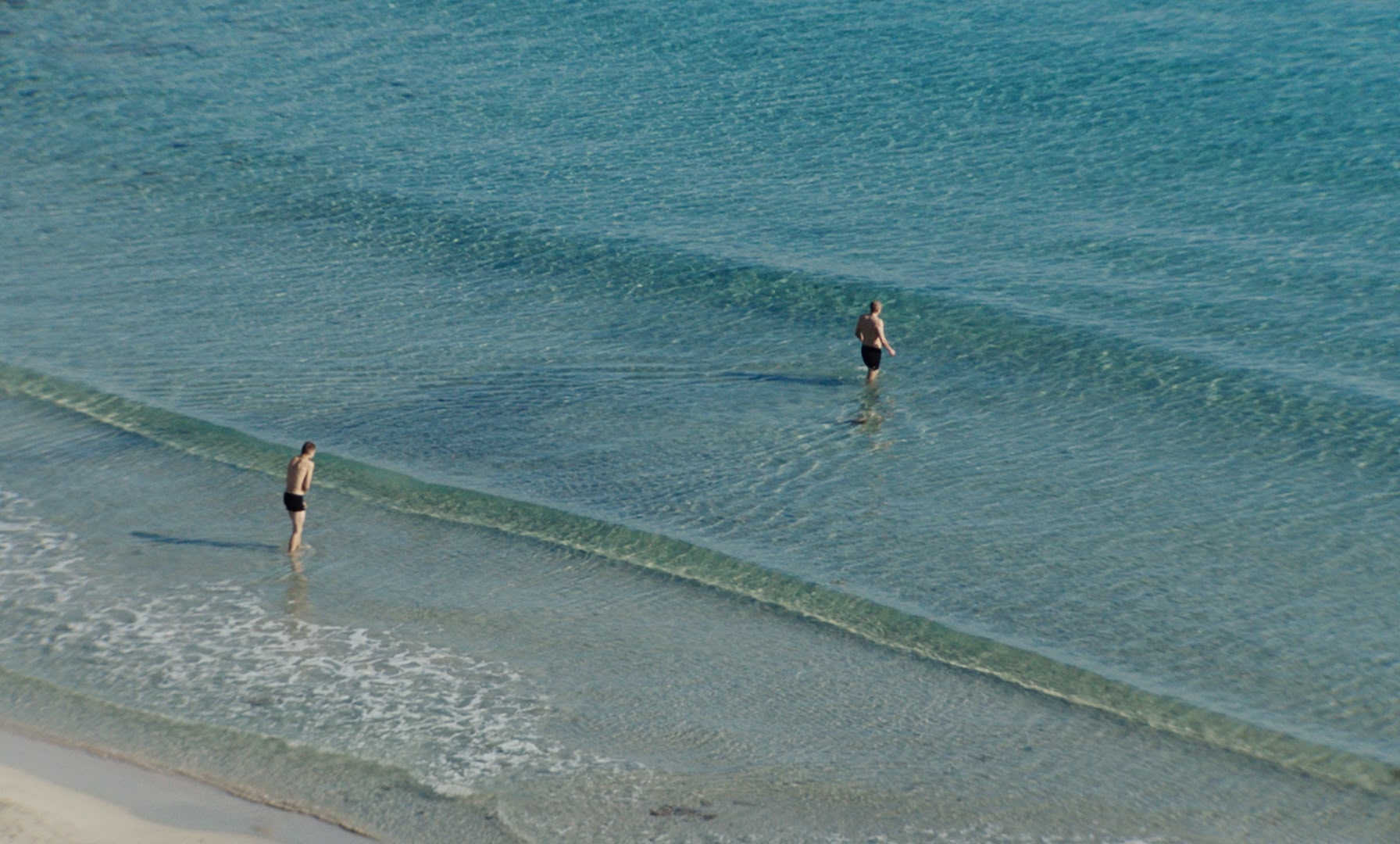
This year, during the 27th edition of this now well-established festival, the focus was on Kurdish memory (Earth Song), disability (Stand Up), immigrant labour (The Boatman), poverty in capitalist society (Shame and Money) and the war in Ukraine (The Fatigued or How to Divorce During the War). Not forgetting incest, which Julien Gaspar-Oliveri addresses in The Blow (La Frappe), a debut feature film (which received the FIPRESCI Prize) on a subject he knows very well from personal experience, and which he carried for many years before being able to shoot it. In reading committees, he was repeatedly told that “no one will be interested”. But that was without counting on producer Marc Benoît Créancier. “I spotted Julien’s talent during his first short film, Villeperdue (2016),” he says. “He usually works on dysfunctional families, where the mother is overwhelmed and the father is very absent. In La Frappe, it’s quite the opposite.” “I offered the role to about twenty French actors, and they all turned it down,” recalls Gaspar-Oliveri. A question of image, he was told. Bastien Bouillon, who needs no introduction, agreed to portray this incestuous father who returns to his children (played by two promising actors, Diego Murgia and Romane Fringeli) after five years behind bars. “I tried to play the father without judging him,” he explains. “It’s a film about the unspoken and guilt, a very intense three-week shoot. I am very proud of Julien’s work, which sets the viewer’s mind in motion from the very first shot.” Indeed, the slow, close-up tracking shot at the beginning explores the protagonists’ skin intimately, and everything that follows sets the tone: the impossible relationships between these thin-skinned children and their father—sometimes tender, often violent. The mother remains entirely in the shadows.
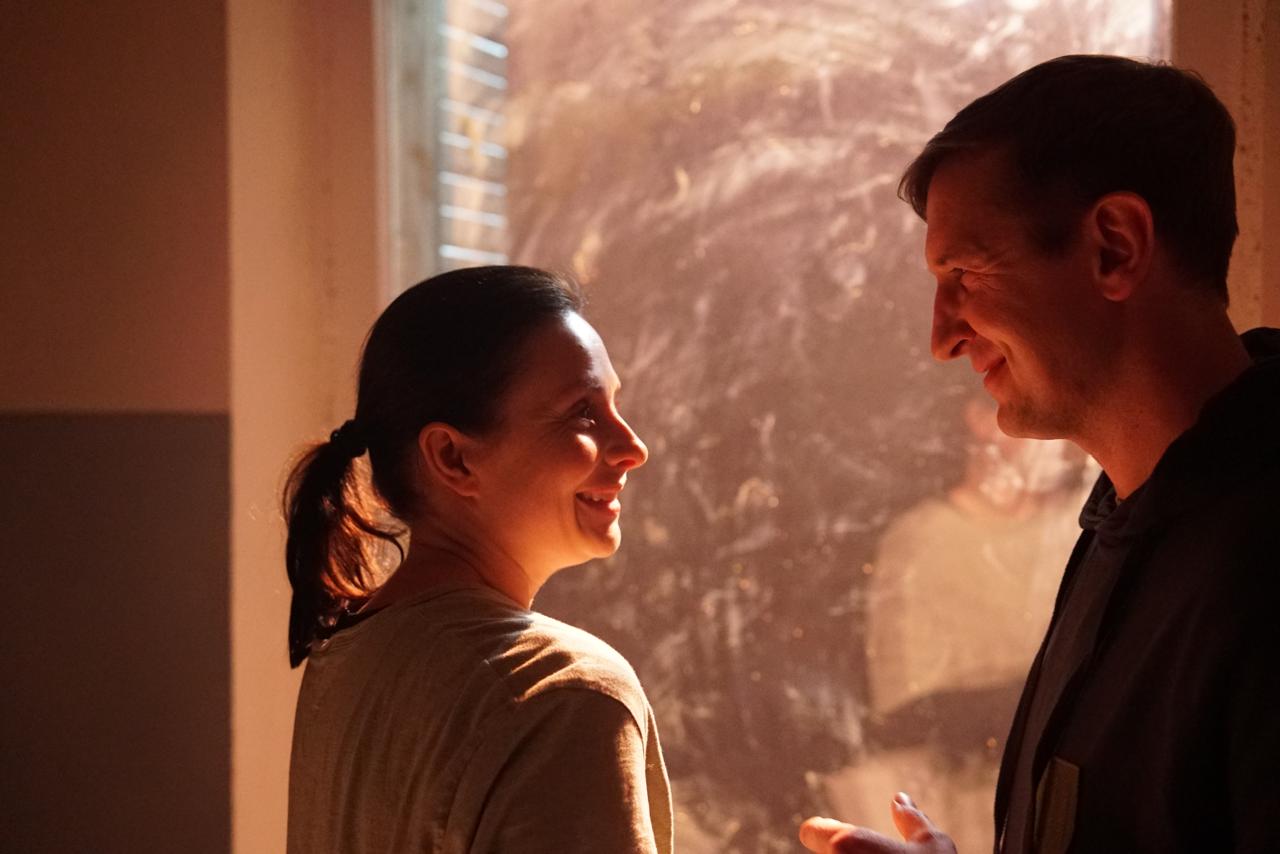
Yuriy Dunay also carried his film The Fatigued (special mention from the Italian critics’ jury, the SNGCI) for a long time before directing it. In 2016, he observed a couple of traumatised soldiers from the first Donbas conflict on a bus, which inspired the short film Broken (2021), directed by his wife, Solomiia Tomashchuk (he served as her director of photography). However, their lead actor, Vasyl Kukharskyi, succumbed to his wounds after fighting the Russians following the 2022 invasion of Ukraine. Yuriy then decided to embark on a feature film as a tribute, after having served in the army himself as a drone pilot in the “reconnaissance” section. The script was written by his wife Solomiia in fifteen days (the usual sense of urgency). The film looks at the destinies of Liuba (Valeriya Khodos) and Andrii (Dmytro Sova), war veterans trying to find common ground despite their wounds: her chest is severely burned, while his hand and eye are crippled. Yet the deepest scars remain invisible when the time comes to face their feelings, even though they are mutual. “The film was shot in two real rehabilitation centres for soldiers suffering from post-traumatic stress disorder (PTSD),” says Yuriy. “Most of the soldiers treated there perceive the film as a documentary, not as fiction. The Q&A sessions after the screening can last for hours. Getting them to talk is almost part of the therapy they receive elsewhere.” It is a space between the civilian world, to which they no longer belong, and the front line, where they are called to return, even if they are broken (Broken) or exhausted (The Fatigued). Andrii is an artist (he covers Liuba’s burned skin with beautiful tattoos), but that is not enough when he has to reinvent himself in real life, despite the love of Liuba—who, for her part, copes as best she can.
The Blow (La Frappe) and The Fatigued are two films written and shot with the same necessity, the same determination to evoke the victims of two different types of conflict, yet both so intimately devastating: incest and war. These two young creators will continue in the same vein—family for Gaspar-Oliveri, with the adaptation of Rebecca Lighieri’s novel Il est des hommes qui se perdront toujours (P.O.L), and for Yuriy Dunay, another film about war and the presence of Colombian mercenaries in the Ukrainian army.
Pascal Corazza
© FIPRESCI 2026