
The Luxury of Freedom, the Violence of Others
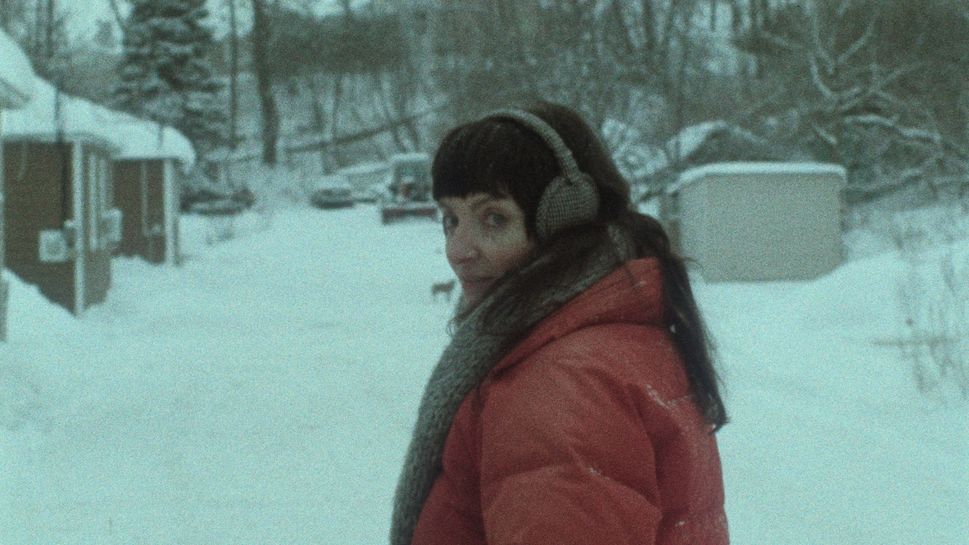
From Locarno, Armenian critic Sona Karapoghosyan focuses on the new film by Denis Côté, and discovers that even as the director somewhat unusually draws from close personal experience in this project, his gifts for cinematic expression and his care with the issues that have always concerned him are still very much in place.
The festival-darling Canadian filmmaker Denis Côté was back at the Locarno Film Festival with his new feature, Nobody’s Violence (Violence du corps de l’autre). Throughout his career of more than two decades, Côté has resisted the temptation to bring his own personal stories (or the stories of those close to him) to the screen. This time, however, he has drawn from his own experience. Having lived with kidney disease for several years and uncertain whether he would receive a transplant that could save his life, the director found himself confronting the presence of death at close range—and managed to find a cinematic expression for it in his new film.
The film follows Mira, a young woman who drifts from one place to another, living in a van with her dog and traveling to fulfill the mission she has been entrusted with: helping people diagnosed with a terminal illness to die. Mira is played by Denis Côté’s longtime collaborator Larissa Corriveau, whose acting, and more importantly, whose screen energy becomes the pivotal force behind the creation of the character and the story. And, as in the best stories, Mira’s worldview—built around not getting attached to anything—begins to shift when she meets a young man who, in contrast to her, is full of life and energy, expressive, uninhibited, and utterly alive. The young man is played by Xavier Bergeron, who won a Special Mention for Performance at the Locarno Film Festival.
At first glance, this description of the premise might remind one of a romantic drama, but the film itself couldn’t be further from such a genre limitation. Côté builds the film around fragmented script details that allow the audience to piece the story together in their minds, while also engaging with the widely discussed topic of MAID (Medical Assistance in Dying) in Canada, which has naturally sparked public debate. Through different characters and their attitudes towards Mira and her “mission,” Côté attempts to represent the diverse approaches to the phenomenon.
Despite all this, the film’s greatest strength is its storytelling language and style, which makes it more of a cinematic experience than a social drama. Shot on two types of 16mm film stock—Kodak and the German ORWO stock, which is almost never used in contemporary cinema—the image becomes blurred, particularly in the exterior scenes shot on ORWO. The image takes on a fluid, dreamy dimension that becomes a visual representation of the film’s characters: no past, no backstories, only a flowing presence in the present.
And this is exactly what Côté is interested in. When talking about the filming process, which took place in two stages, both in locations not far from Quebec, the director often speaks about the freedom he gives his characters. He might suggest a topic and let them talk for hours, while his curious camera observes and captures what unfolds. One such encounter eventually became the film’s long dinner-table scene. This kind of freestyle directing feels like a real luxury in contemporary cinema, where every frame and every segment is carefully defined and designed to lead towards a particular sequence, idea, or answer. Côté’s filmmaking, by contrast, seems driven by the pleasure of working with the camera and discovering the story as it emerges. Yet this apparent freedom never comes at the expense of what matters most to the filmmaker. Beneath the spontaneity, his cinema remains deeply concerned with the same questions that have accompanied his work for years: freedom, loneliness, and the elusive sense of belonging.
Sona Karapoghosyan
© FIPRESCI 2026