
Two Faces of Brazilian Cinema: Tempo à Faca and The Gentle Ghosts
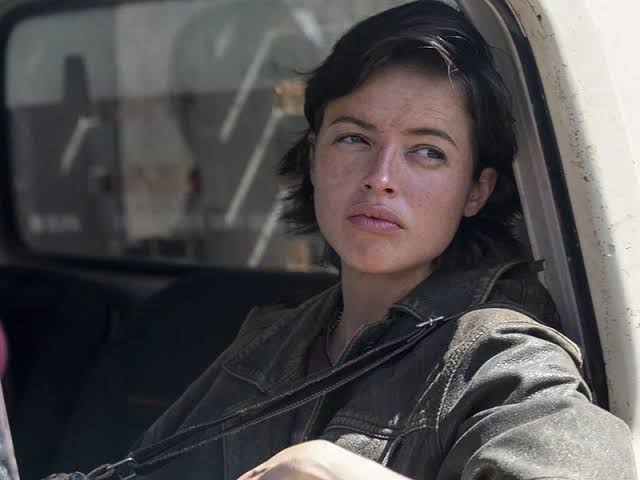
Brazilian film critic Helvecio Parente examines two contrasting films from the Brasília Festival of Brazilian Cinema: Diogo Oliveira’s Tempo à Faca, a Western-inspired tale of inherited vengeance, and Caetano Gotardo’s The Gentle Ghosts, an intimate exploration of loneliness, affection and the desire to be seen.
Tempo à Faca
Directed by Diogo Oliveira and based on an idea by Ruy Guerra, Tempo à Faca is a classic revenge story that also looks like a fable, blending western and road movie elements, set in the Brazilian Sertão, the semi-arid hinterland of Northeast Brazil.
The plot unfolds across two timelines, tracing journeys separated by time. On one hand, there is Deodato, an old gunman who returns to his village after years away to fulfill a promise made to his wife. On the other is Neta, his granddaughter, who many years later embarks on a journey driven by a vow of vengeance.
It is precisely this relation between time, memory, and revenge that forms the film’s heart: a vendetta that spans generations.
The central question of Tempo à Faca is not simply whether Neta will succeed in completing her revenge. The film is more interested in exploring what happens to a person who inherits a vendetta that began before they were even born, where violence ceases to be merely an event and instead becomes a kind of familial legacy.
The past, therefore, does not stay in the past; it continues to shape the present. The characters believe they are moving toward a goal, but in reality, they are following paths laid out by others.
Visually, Tempo à Faca does not aim to provide a naturalistic portrait of the Brazilian Northeast. Its structure deliberately evokes the western genre, employing elements such as the solitary figure, the small town, the gunslinger, the confrontation, and the promise of a reckoning. Yet, instead of the American West, the setting is the Northeastern Sertão.
There is a problem, however. Tempo à Faca is, simultaneously, a Brazilian western and a road movie with a touch of surrealism. At times, the narrative seems to depict a sort of dreamlike, parallel reality. The issue is that this dreamlike atmosphere does not always feel organically integrated into the story.
The cast features two protagonists. Júlio Adrião delivers a solid performance as Deodato; he possesses a physicality that suits a man aged by violence and the burden of a promise. Agatha Moreira, on the other hand, is less effective. Her character, Neta, seems to wear a single facial expression throughout her journey of inherited vengeance. The cast also includes Irandhir Santos and Luiz Carlos Vasconcelos.
Ultimately, the film’s greatest strength lies in the parallel structure of the two stories being told. Although the journeys initially appear separate, we gradually realize they are parts of the same tale. It is almost as if the past were repeating its movements through another person. Some acts of revenge take so long to materialize that, by the time they finally arrive, they have already consumed a significant portion of the avenger’s life.
The Gentle Ghosts (Os Fantasmas Gentis)
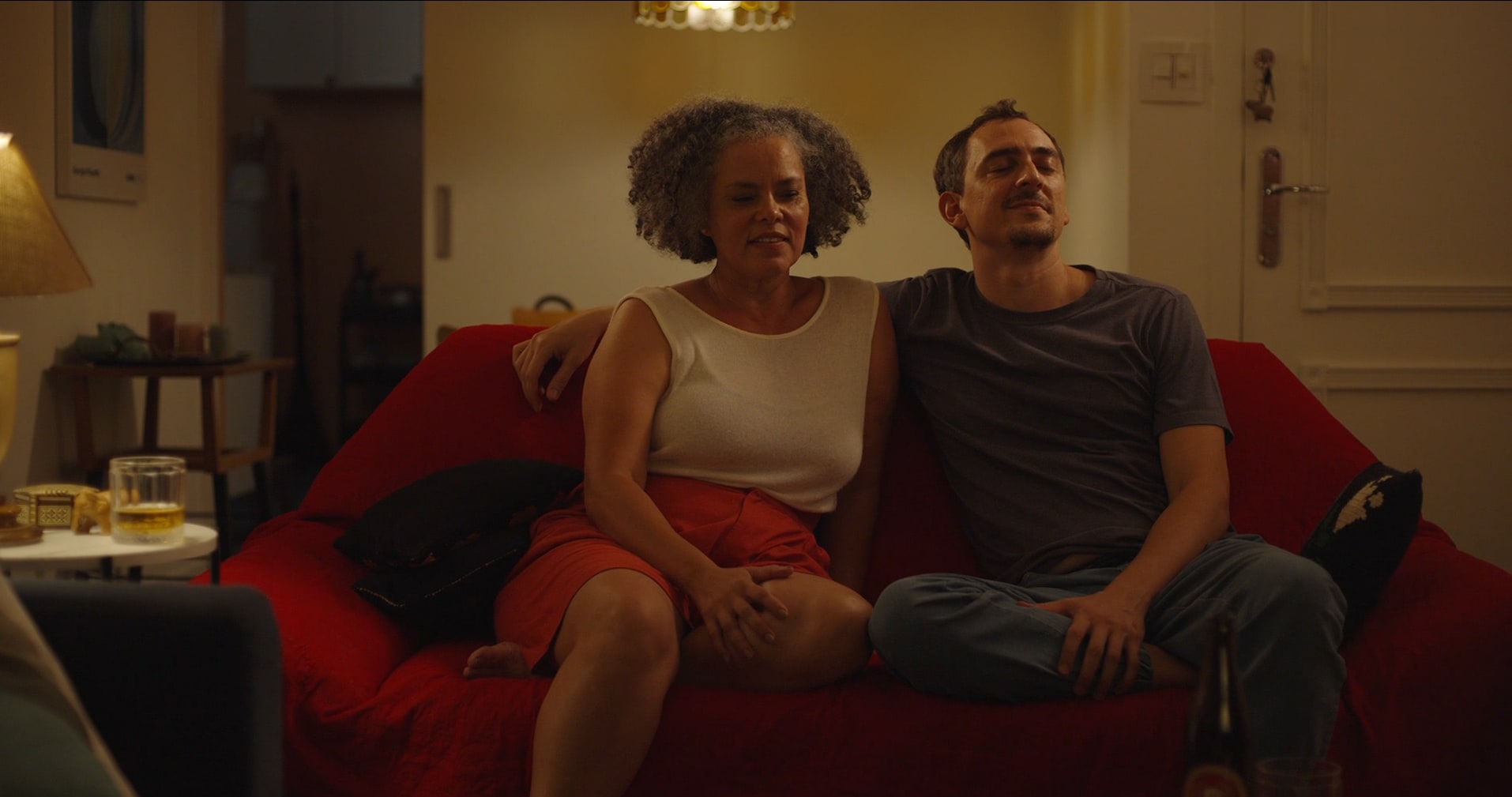
Directed by Caetano Gotardo, The Gentle Ghosts (Os Fantasmas Gentis) is one of those works that seem to deal with small things while gradually building a broad reflection on loneliness, desire, affection, and the human need to be seen by others.
The story follows Inês (Andrea Marquee), a bank employee who makes a habit of singing karaoke after work. One day, she catches the eye of Hélio (Vinicius Meloni), an ornithologist. Their encounter sparks a transformation in how Inês perceives the world: birds, their sounds and their images, begin to occupy an increasingly significant space in her life.
The Gentle Ghosts follows a cinematic tradition less concerned with major events and more focused on observing everyday life. Yet, Gotardo goes beyond mere contemplation; he seeks to reveal the emotional dimension hidden within these small occurrences. He uses music as a form of emotional expression, allowing Inês to reveal something of herself through song that she might not be able to convey in a conventional conversation. It is as if singing offers a way to finally let someone see what usually remains hidden.
Gotardo uses the bird “urutau” to embody the film’s logic: it is a creature that can go unnoticed because it blends into its surroundings, yet possesses a haunting, memorable call. It is a clear metaphor for the characters themselves, present before us, yet needing to find someone willing to truly see them.
The result is a kind of slightly off-kilter realism, where everyday life remains recognizable, yet seems to exist just a few inches outside of reality.
The director employs long takes, allowing conversations to unfold without traditional editing constantly interrupting the actors. This approach has a significant consequence: the viewer is compelled to remain immersed in the situations, free from the frenetic editing that often reduces conversation to mere information.
While this can be fascinating for those who embrace the film’s premise, it also presents one of its biggest barriers, as the lengthy dialogues are simultaneously captivating and exhausting. The dialogue is extensive, elaborate, and often far more articulate than how people typically speak in real life: a quality that can create a sense of artificiality.
Another point worth noting is that Gotardo avoids turning the relationship between Inês and Hélio into a traditional romance. The film lacks the classic structure of passion, conflict, and resolution; it never defines whether they are lovers, friends, or simply two lonely individuals finding a kind of refuge in one another.
Ultimately, the result is a film that won’t appeal to everyone. However, those who allow themselves to be drawn in by the well-crafted dialogue and the lead couple’s excellent performances will likely walk away with a rewarding experience.
Helvecio Parente
Edited by José Teodoro
© FIPRESCI 2026