
Letter from My Village (1975): A Letter from the Future of Documentary
From Locarno’s film history programme, Greek critic Georgios Papadimitriou looks at a restored print of Safi Faye’s Letter from My Village, and finds the movie’s subtle but definitive message still resonant today.
Winner of the Locarno Heritage Restoration Contest’s third edition and screened as part of the 2026 Locarno Film Festival Histoire du Cinéma program, Letter from My Village (Kaddu Beykat, 1975) by pioneering female Senegalese director Safi Faye raises its curtain with an inviting disclaimer.
“You’re going to spend some time at my home,” a soothing voice informs us, like a velvet counterpart and distant relative of the alarming voice-over in another Senegalese gem, Ousmane Sembène’s Black Girl (1966). Indeed, it seems as though we have been granted privileged access to an insight that cannot get any more genuine, authentic, and palpable; the exoticizing gaze traditionally cast upon African communities gives way to a docufiction that poeticizes crude everyday reality, lyrically beating to the cyclical drum of agrarian life and breaking free from the inherently Western notions of shame and prudery.
A disciple of the iconic French anthropologist Jean Rouch, Faye was drawn to cinema like a moth to a flame, as a means to unearth and distill her own ancestral identity. Set in her drought-stricken and impoverished home village of Fad’jal, shot with frugal means and an outstandingly small crew, and featuring Wolof and Serer as its main languages, Letter from My Village outdoes even its widely celebrated badge of merit as the first film by a West African female director to ever receive commercial distribution.
A true harbinger of contemporary documentary, the film outlines its factual and contextual bedrock through a series of dramatized slices of supposedly unmediated observation. A splendidly orchestrated sequence of elders conversing over the gradual deterioration of the village’s quality of life and a masterfully uneasy scene of an uncensored children’s play that re-enacts and mimics brutal episodes of tax collection serve as emphatic examples of the above.
Gender-based cleavages, hued with a low-key cry for emancipation, are omnipresent throughout the film, but never in an outspoken manner; always discreet, always hitting the essence. As one captivating frame succeeds the other, it becomes evident that women are never exempt from the never-ending and exhausting dual burden of their duties, which revolve both around domestic tasks and manual labor, while remaining deprived of any tangible reward or respect.
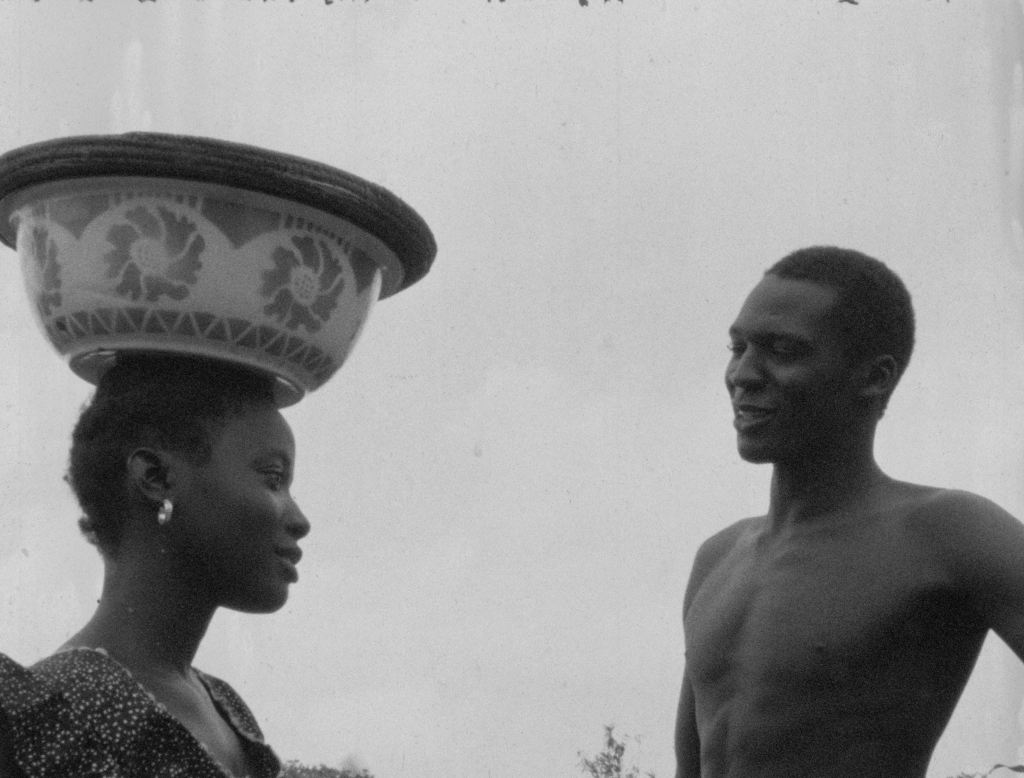
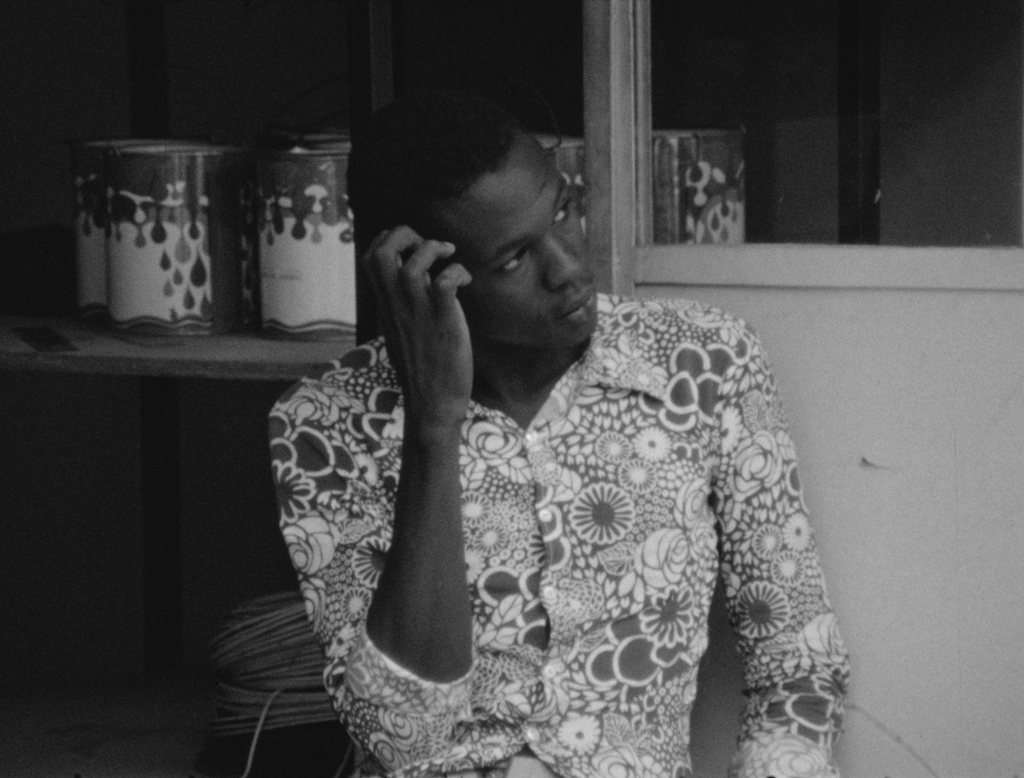
Weaving a background love story of a marriage thwarted by an inability to pay the required bride price, Faye ironically shifts the gender power balance. As the groom-to-be resorts to internal migration (yet another open scar on the country’s body) only to get hired as an errand boy for snooty ladies of the nation’s urban middle/upper class, the film casts a rare insider’s glance at the 1970s Senegalese socioeconomic stratification.

In the same spirit and tone, commentary on the insidious forces of a perpetual colonialism is subtle rather than didactic, often employing biting mockery camouflaged in barely discernible details, ranging from the fleeting sight of an overtly sarcastic newspaper front page all the way to the poignant use of French in a discussion among younger people who wish to get an academic education. At the end of the day, though, the takeaway is crystal-clear and deafening: the newly independent country is still forced to abide by directives that exclusively prioritize European interests, sacrificing the welfare and well-being of its natives.
Nevertheless, Safi Faye chooses to eschew bitterness, resentment, and pessimism, as bleak as the future may appear. The return from the inhospitable city to the homeland is prompted by free will and unbroken ties, and does not occur as an act of desperation or unfulfilled hopes. The finale’s heartfelt dedication to the director’s grandfather, who lived and worked as a farmer in Fad’jal, and passed away shortly after the completion of the film, stands tall as a firm reminder. A letter from her own flesh and soul, destined to run through every viewer’s veins. A cinema transfusion of the utterly personal into the surprisingly universal.
Georgios Papadimitriou
© FIPRESCI 2026