
Strong Women in the Spotlight at the 60th Karlovy Vary International Film Festival
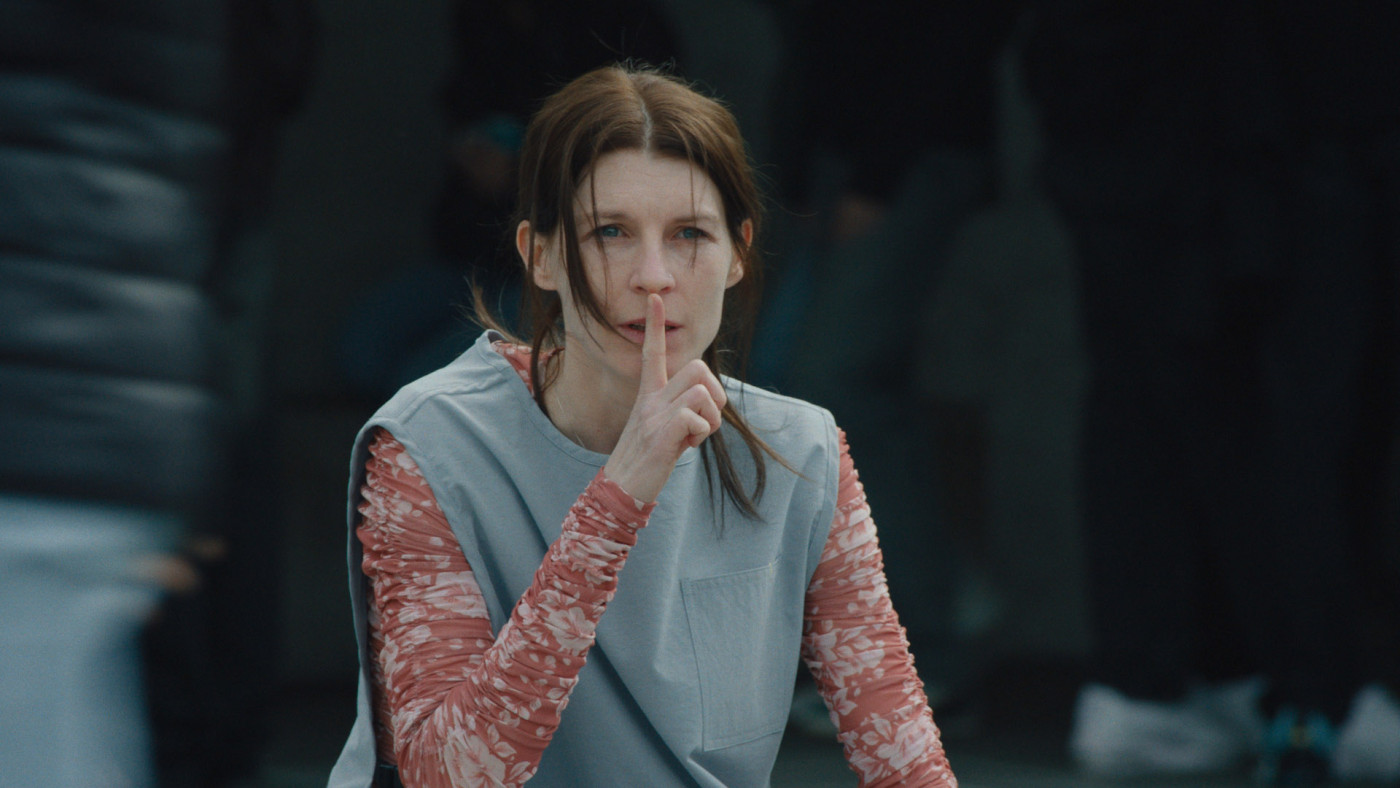
From the Karlovy Vary festival, Finnish critic Marita Nyrhinen takes on five films that depict powerful images of women, including the winner of the FIPRESCI prize in the Crystal Globe competition.
The Karlovy Vary Film Festival (KVIFF) celebrated its 60th anniversary in July 2026. The first festival was held 80 years ago. Over the years, the festival has brought many films about strong women to the big screen. This year, several excellent films portray the roles of strong women in various complex situations, friendship between women, and survival in difficult circumstances.
Let’s start with the Swiss film A Happy Family, directed by Jan-Eric Mack. Swiss actress Anna Schinz won the Best Actress Award for her role as Niki, a single mother of two children, struggling with financial and social difficulties, fighting to get back the custody of her children. The film is clearly a social drama, but it has elements of a thriller. It is difficult to say how well these genres meet. However, it is clear that the subject is universal. The film aims to show the dark side of the welfare state. Anna Schinz has a particularly strong role as a worried mother.
The film was presented in the festival’s main section, the Crystal Globe Competition. The film, Jan-Eric Mack’s feature-length debut, is the first Swiss production ever selected for the main competition section at Karlovy Vary.
The new Danish drama The Guest (Gæsten), directed by Mads Mengel, got two awards at the main competition: the Special Jury Prize, and Best Director for Mads Mengel.
The naming ceremony for a newborn takes a turn when an uninvited guest, Karl’s mother Vibeke (Trine Dyrholm), arrives. She wants to be a part of Karl’s (Simon Bennebjerg) life again and hopes to reclaim her place in the family as both mother and grandmother. It’s the beginning of a weekend where long-buried family dynamics come to the front, along with small glimmers of hope for reconciliation. The film deals with difficult subjects, such as mental health issues, narcissism, bipolar disorder, and family dynamics, all in a believable way while avoiding clichés. The dialogue is natural and the situations feel real. The film is not only a story about mental health challenges, but also a powerful portrayal of forgiveness and how people respond to each other’s vulnerability. From these starting points, a brilliant dark comedy-drama develops.
Danish actress Trine Dyrholm is the main character and a force of nature in the story. She gives a magnetic performance in this brilliant and powerful film. The simple premise of the story gives her the ability to make Vibeke a dominant character whose actions are beyond control.
The everyday life and affection between two women is the subject of a Myanmar film, Fruit Gathering (Thit-thee Khu), directed by Aung Phyo. Fruit Gathering won the Grand Prix Crystal Globe. Like the Swiss film A Happy Family, Fruit Gathering also made history: There has never been a film from either of these countries in the Karlovy Vary competition before.
Fruit Gathering tells the story of a young woman, Kyi (Nandar Myat Aung), who falls in love with her female friend and co-worker Oo (Nandar Myint Lwin). The film is a sensitive directorial debut by young Aung Phyo about the relationship between these two women.
What makes these two women strong? First of all, they fight for a better life. The women live in a realistic world, which brings them close to the viewer. We can see how they manage to survive many difficulties. They are also living in a social environment where intimacy between women is not common, maybe not even permitted. But the calmly continuing story with its dreamlike scenes leaves the viewer stunned, when one scene suddenly changes to another, and just like that, we are somewhere else.
The internationally co-produced drama Only Beautiful Things to Look At (Prameň), directed by Slovak filmmaker Ivan Ostrochovský, portraits two powerful women. It took FIPRESCI best film prize in the Crystal Globe Competition.
Our guide in this environment is the experienced doctor Ingrid (Ani Geislerová). Ingrid works in a remote hospital in Czechoslovakia in the 1980s. Life is stable, but she is frustrated. When she befriends a young nurse, Agáta (Simona Boledovičová), the friendship begins to unsettle Ingrid in many ways. Her personal bond with Agáta makes her finally free.
The subject deals with a highly sensitive issue in Czechoslovakia: the ethical implications of the state-sponsored sterilization campaign against Romani women. It is a story of systemic injustice, when the state regulated birth rates, and above all a story of friendship and solidarity between two strong women from different backgrounds. The music and the restraint of the characters create a special atmosphere. Women had to defend their personal, family, and social circumstances in front of abortion commissions in a humiliating manner. In the case of Romani women, this practice led to open coercion: the state offered them financial rewards or social benefits for participating in the procedure.
Although the film depicts a specific era in Czechoslovakia, the theme is universal. The forced sterilization of the poor and minority groups was a global phenomenon throughout the 20th century. It is still a serious human rights issue in many countries.
The Ecumenical Jury Prize went to The Lion at My Back, directed by Tonia Mishiali. This Cypriot film also highlights the friendship between two very different women. In this touching story, both women have lost their families, are lonely, and have money problems. Senegalese asylum seeker Mariaman (Sokhna Diallo) celebrates her 18th birthday in a shelter for homeless youth. She has no place to go. Stella (Elena Kallinikou), an older woman who works at the shelter, fights for custody of her daughter. Two women from different generations and cultures are lost souls, but they find each other. Their strength lies in how these unfortunates find strength and offer reconciliation to overcome difficulties. The story unabashedly describes the reality of the refugee issue in Europe, where refugees are simply forced to get by.
Last but not least, The Karlovy Vary International Film Festival awarded three strong actresses: French actress Juliette Binoche was awarded the Crystal Globe for her outstanding artistic contribution to world cinema, and American actress Maggie Gyllenhaal and Slovak actress Magda Vášáryová received the President’s Award.
Marita Nyrhinen
© FIPRESCI 2026