
Lee Chang-dong’s Possible Love: A Multi-layered Story of Love and Empathy Across the Class Divide
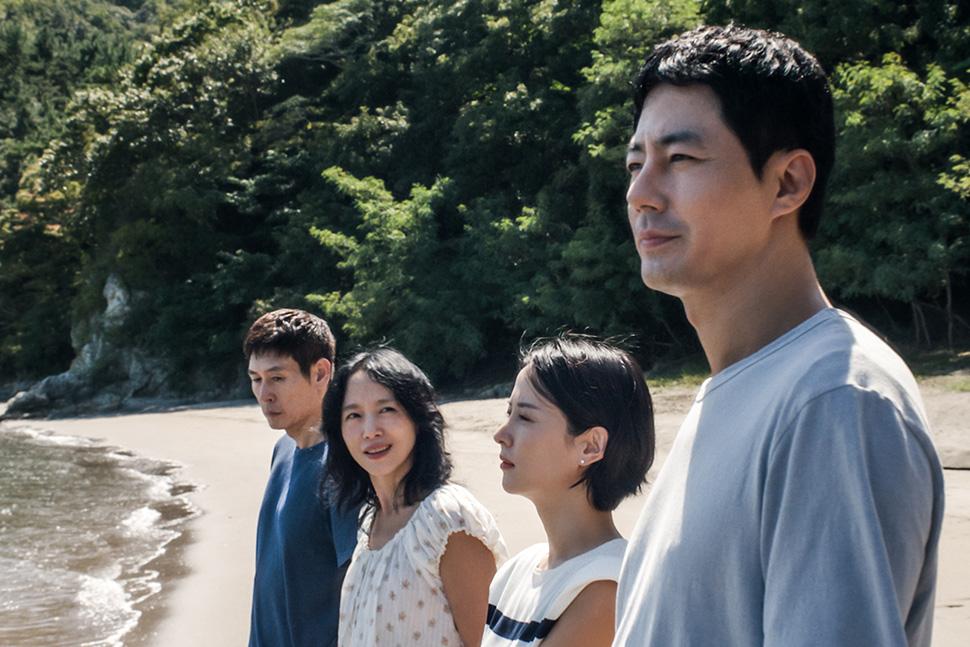
Turkish critic Berke Göl looks at the winner of the FIPRESCI prize in the Concorso section at Venice 2026, and finds in Possible Love one of the best films of the year: a complex study of the personal and the political, of class and compassion, very much in the vein of its director’s previous work.
Throughout his career, Lee Chang-dong has built the narrative structure in his films around unexpected encounters with dramatic consequences. In 2002’s Oasis it was the surprising connection between an immature ex-convict and a lonely woman with cerebral palsy. In Burning (Beoning, 2018), it was fate bringing together an idle young man and a young woman he hasn’t seen since childhood. Even in Shi (Poetry, 2010), which focuses on an aging woman diagnosed with Alzheimer’s disease, one could claim that what set the story in motion was the protagonist’s decision to enroll in a poetry class, hence her “encounter” with something completely new. In each of these brilliant films, the unexpected encounter triggers a series of dramatic events, leading to exciting, suspenseful, and sometimes tragic results. Possible Love (Ganeunghan sarang), the Korean auteur’s first feature film in eight years, which received the FIPRESCI Prize in addition to the Grand Jury Prize at the 83rd Venice Film Festival, is no exception. This time it is the multi-layered relationship that develops when two couples divided by class and socioeconomic status come together.
Ho-seok is a depressed, resentful factory worker laid off following a strike that was violently suppressed by the government. His biggest source of support is Mi-ok, his understanding wife, who is trying to keep the family together. Ye-ji, on the other hand, is a privileged filmmaker working on a documentary focusing on workers’ experiences, and she is married to Sang-woo, a self-assured, well-to-do businessman on the cusp of closing out a large-scale international business deal. Ye-ji first meets Ho-seok and Mi-ok during the funeral ceremony of one of Ho-seok’s former colleagues, who has committed suicide after losing his job at the factory. She is immediately struck by Ho-seok’s quiet anger and she approaches Mi-ok, hoping to ultimately convince Ho-seok to do an interview and potentially make him the protagonist of her documentary. As the two couples spend time together and discover mysterious secrets about each other, things begin to get complicated.
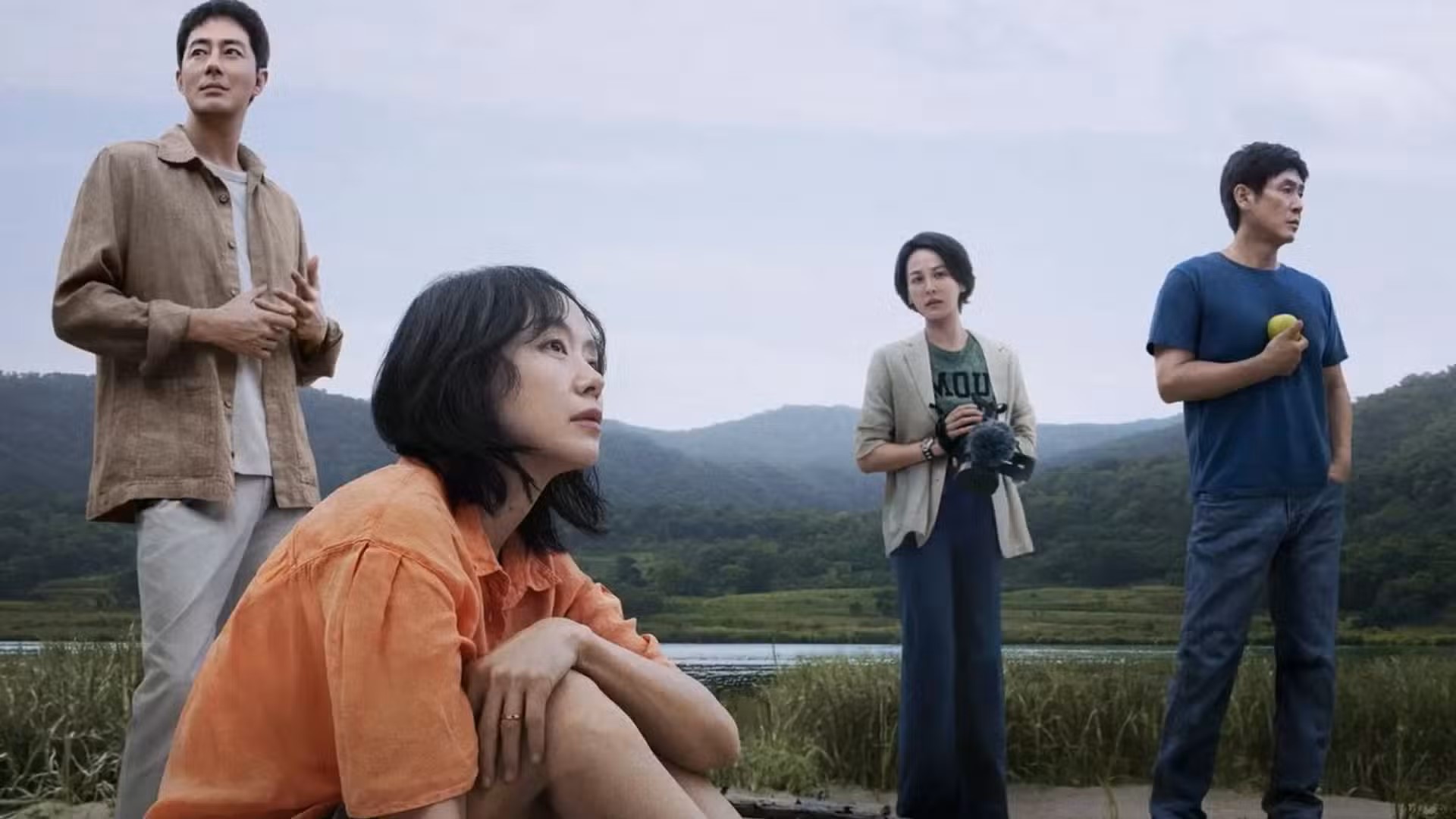
As in all of his films, Lee focuses once again on the possibility of empathy, compassion, and love between individuals, and the surprising ways in which such bonds can be created. And as always, these themes bring emotional conflicts and ethical dilemmas. In one particular scene, in response to Sang-woo’s sarcastic comments on her performance as “a method actor” trying to act as compassionate as possible with Ho-seok and Mi-ok, Ye-ji tells her husband that she is “trying to love these people” because she is a documentary filmmaker and they are her subjects. One the one hand, she is well-meaning and genuinely interested in their story, in their personal experiences and their political struggle, but on the other hand, she is clearly oblivious to the unbridgeable gap between their lives and her own privileged position. The film’s title can be interpreted in a number of ways, but one rather obvious interpretation would be this: How “possible” is “love” when class disparity and a social gap complicate interpersonal relationships? Is there any way to overcome the ethical problems that arise as such a relationship develops between a filmmaker and her subjects? And how independent can “love” be from this intricate web of power dynamics? These are the questions that lie at the heart of Lee’s film.
The climax of Possible Love comes when the two couples go on vacation for a few days, in the rich couple’s summerhouse. As they are isolated from the outside world, the gulf between the two families becomes even more evident. The film reveals the true depth of Ho-seok’s trauma through an intimate series of interviews, where Ye-ji films Ho-seok’s testimony regarding the police violence he’s been subjected to along with his comrades, and the impact this violence has had on his psyche. Simultaneously Mi-ok and Sang-woo spend time at the beach where Mi-ok deliberately turns the tables, catching the arrogant Sang-woo off-guard, turning the power dynamic upside-down. This confrontation leads to a rupture and a dramatic resolution.
The film’s strength lies in the fact that with a multi-layered script, perfectly paced editing, and outstanding performances, it dives deep into the soul of each protagonist, depicting them in detail with all their faults and weaknesses, all the while managing to make us empathize with each and every one of them. Meanwhile the political framing is never reduced to merely a background; it is an organic part of the story, shaping the characters’ narrative arcs and giving the film its emotional backbone, helping make Possible Love one of the best films of the year.
Berke Göl
© FIPRESCI 2026