
Seeking Identity Beneath Okinawan Shadows: The Color of the Sun
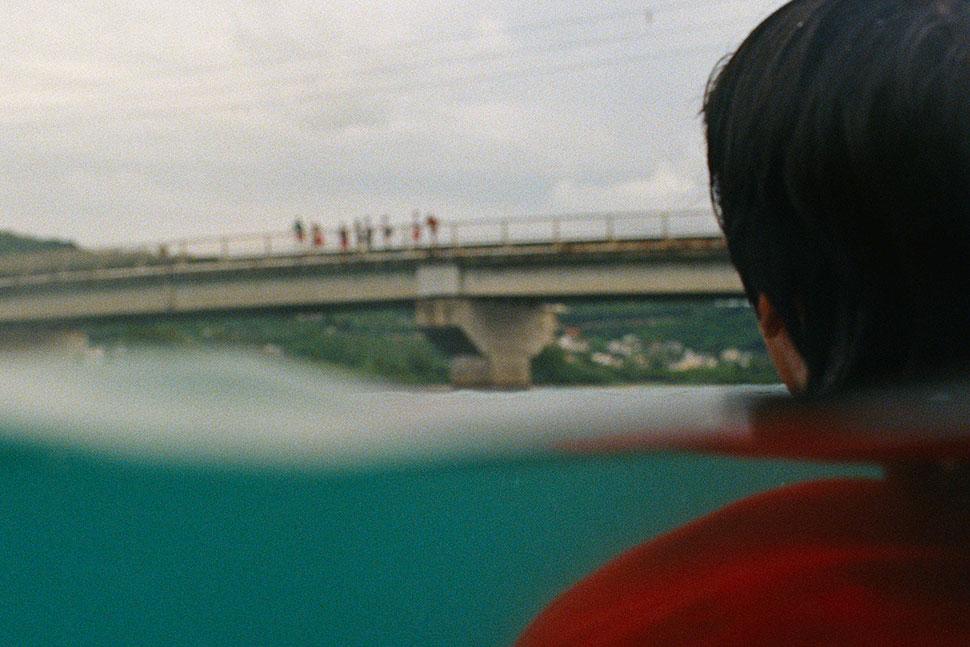
From Venice, Venezuelan critic Jorge Roig Graterol focuses on the winner of the FIPRESCI prize in the Orrizonti section, The Color of the Sun, in which director Xavier Tera turns a politically charged setting into an intimate coming-of-age journey in his debut feature.
Setting a film in a place as loaded as Okinawa is an obvious temptation—the history, the politics, the cultural weight are all right there, practically begging to be the main event. But Xavier Tera, in his debut feature The Color of the Sun, does something smarter: he pulls the camera in close and lets a teenager’s search for himself carry the film instead.
What results is an intimate, quiet story that happens to unfold inside something much bigger. The streets Kamei walks are full of history—unresolved tension, the aftermath of war, shadows that haven’t quite lifted. Tera, who comes from a photography background, shoots all of it with a restraint that feels almost tender, and it shows: The film has a visual language that’s doing as much storytelling as the script itself.
There’s something close to voyeurism in how the camera watches these characters, and that’s part of what makes it work. You end up feeling like you’ve wandered into someone else’s summer—specifically Kamei’s, the last one before his senior year, when nothing is resolved and everything feels open-ended. Then he meets Colin, an American teenager who grew up on one of the nearby military bases, and this friendship cracks something open in him—questions about his family, about who he actually is—that he clearly hadn’t been ready to face.
Even if this story seems familiar in some ways, it’s refreshing to see how Tera´s screenplay refuses the paths of being too obvious or melodramatic. Instead he seems to be committed to take a naturalistic approach that gives the viewers room for making their own conclusions about what happened in the past of these characters and what might happen to them in their near future.
Part of why the movie works so well is the cast. They’re young, unpolished in the best way, and the relationships between them never feel performed. You’re not watching actors hit marks—you’re watching something closer to real adolescence, messy and half-formed.
And even though the setting carries so much loss, so much of what war leaves behind, the film never tips into despair. If anything, it’s oddly hopeful by the end—mostly because of how gently it handles Kamei’s arc. He’s not just figuring out who he is; he’s making peace with a family history he didn’t choose, while still chasing the ordinary stuff—interests, questions, the things that make a teenager a teenager.
That combination is what makes The Color of the Sun work. Tera isn’t just making a film about youth, or about memory—he’s suggesting that even standing in history’s shadow, discovering who you are as a persona, is still possible.
Jorge Roig Graterol
© FIPRESCI 2026